
Fendi: Luxury’s Most Coveted Icon
Last Updated on September 19, 2026
Fendi is a name synonymous with Italian luxury, craftsmanship, and a bold sense of style. Founded in Rome in 1925 by Edoardo and Adele Fendi, the brand began as a small leather goods shop and fur workshop. Over the decades, Fendi has evolved into a global fashion powerhouse, celebrated for its iconic designs, innovative use of materials, and enduring appeal.
From its early days, Fendi established a reputation for quality and artistry. Adele Fendi’s personal touch in managing the shop and overseeing the workshops ensured a high standard of production. The brand’s focus on fur and leather became a defining characteristic, setting it apart in the fashion world. This dedication to exceptional materials and meticulous craftsmanship remains a cornerstone of Fendi’s identity today.
The Fendi Legacy: From Rome To The World
The Fendi story is one of family, vision, and adaptation. Edoardo and Adele Fendi laid the groundwork, but it was their five daughters who helped expand the brand’s reach and influence. Each daughter brought her unique perspective, contributing to Fendi’s growth and solidifying its place in high fashion.
Karl Lagerfeld’s Transformative Influence
A pivotal moment in Fendi’s history was the collaboration with Karl Lagerfeld, which began in 1965. Lagerfeld’s innovative vision revitalized the brand, particularly its fur collection. He introduced the now-famous double-F logo, which became an instant symbol of Fendi. His designs transformed fur from a traditional material into something modern and chic, appealing to a new generation of fashion-conscious individuals.
Lagerfeld’s tenure at Fendi, spanning over five decades, was one of the longest and most successful designer-house relationships in fashion history. He continuously pushed boundaries, experimenting with different techniques and materials, ensuring Fendi remained at the forefront of luxury fashion.
His ability to blend heritage with avant-garde design was instrumental in Fendi’s global success.
Silvia Venturini Fendi: Carrying The Torch
Silvia Venturini Fendi, the youngest of the Fendi sisters, joined the company in the late 1980s. She has been a key figure in shaping the brand’s accessories, particularly its handbags. Under her creative direction, Fendi launched some of its most iconic bags, including the Baguette, which became a cultural phenomenon in the late 1990s and has seen successful revivals.
Silvia Venturini Fendi’s approach is characterized by a blend of tradition and contemporary relevance. She champions Italian craftsmanship while embracing modern trends and sustainable practices. Her focus on accessories has been crucial in diversifying Fendi’s offerings and maintaining its strong market presence beyond its fur heritage.
Iconic Fendi Products
Fendi is renowned for several signature products that have become highly coveted fashion items. These pieces not only represent the brand’s aesthetic but also its commitment to quality and innovation.
The Fendi Baguette
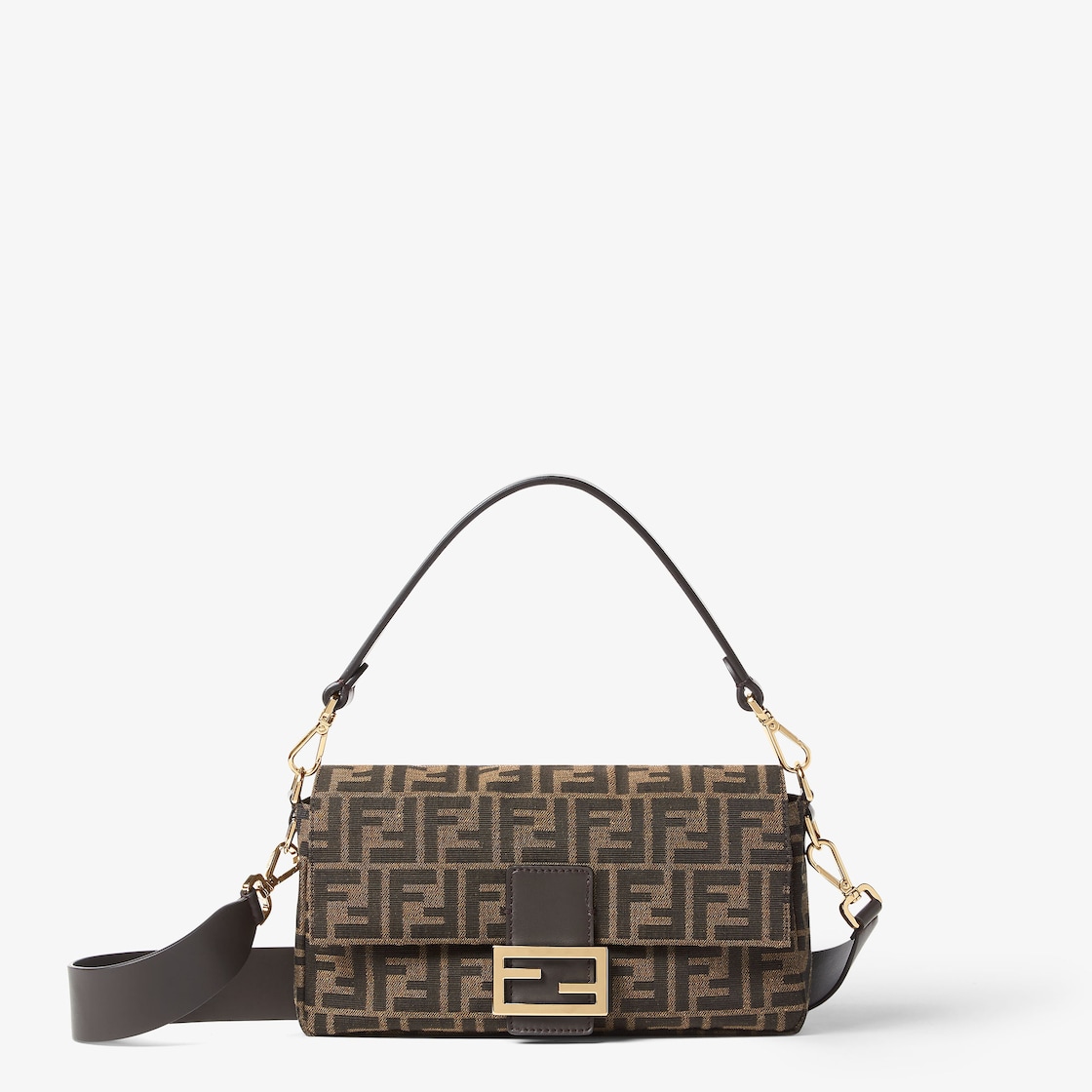
The Fendi Baguette is arguably the brand’s most famous handbag. Introduced in 1997, it was designed by Silvia Venturini Fendi and named after the French bread it resembles in shape. Its compact size, distinctive clasp, and the ability to be worn under the arm or as a shoulder bag made it an instant hit.
The Baguette’s popularity surged thanks to its feature in the TV show *Sex and the City*. Its versatility and range of designs, from classic leather to embellished versions, have allowed it to remain relevant across different fashion eras. Fendi has reissued the Baguette multiple times, cementing its status as a timeless accessory.
Fendi Fur Coats
Fendi’s origins are deeply rooted in fur craftsmanship, and the brand continues to be a leader in luxury fur. Karl Lagerfeld revolutionized how fur was perceived, turning it into a material for high fashion. Fendi’s fur creations are characterized by their exquisite quality, innovative designs, and luxurious feel.
The brand uses a variety of furs, often treated with advanced techniques to achieve unique textures and drapes. Fendi’s approach to fur is often seen as a blend of heritage and modernity, respecting the material while pushing creative boundaries. This focus has kept Fendi at the pinnacle of fur haute couture.
Fendi Zucca And Ff Logo
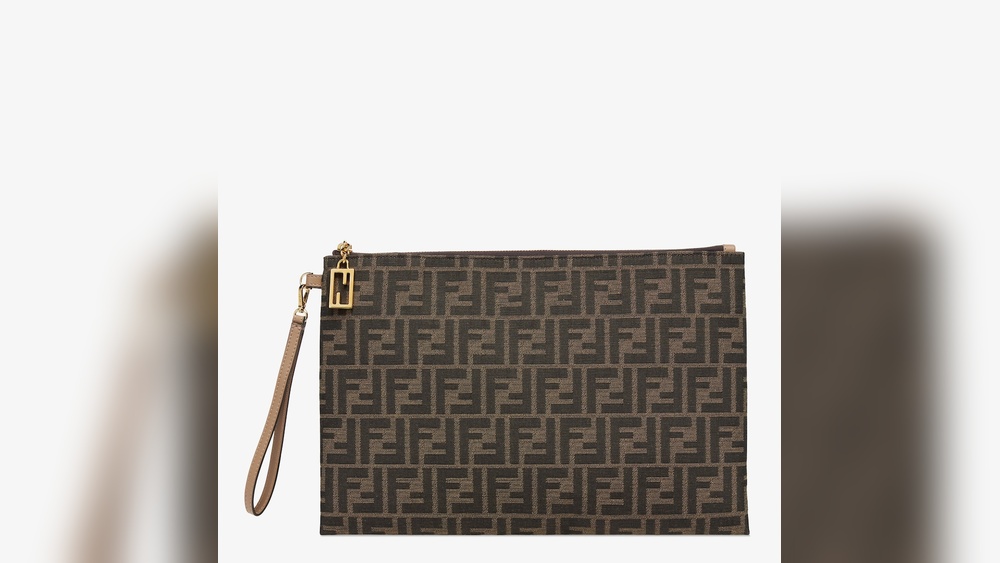
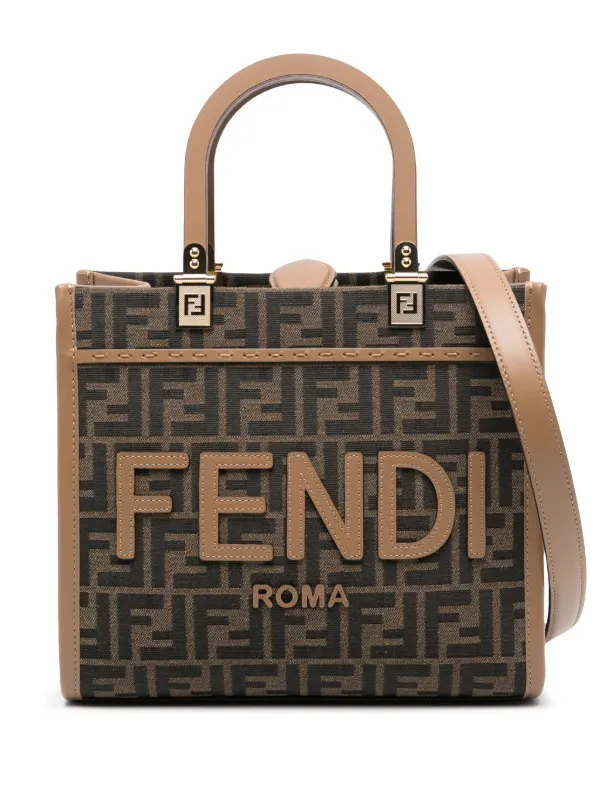
The Zucca logo, featuring two interlocking Fs (Fendi Fantastic), is one of the most recognizable symbols in fashion. Designed by Karl Lagerfeld in the 1960s, the FF logo has been applied to countless products, from handbags and clothing to accessories. Its ubiquity has made it a powerful emblem of the Fendi brand.
The Zucca pattern has been used extensively in Fendi’s ready-to-wear collections and accessories. It represents a bold statement of brand loyalty and an appreciation for iconic design. The logo’s enduring appeal lies in its simplicity and strong visual identity.
Credit: www.fendi.com
Fendi Today: Innovation And Sustainability
In the contemporary fashion landscape, Fendi continues to evolve under the creative direction of its design team. While maintaining its heritage, the brand actively embraces innovation and addresses the growing importance of sustainability in luxury fashion.
Commitment To Craftsmanship
Fendi’s commitment to artisanal craftsmanship remains unwavering. The brand invests in training new generations of artisans to preserve its traditional techniques, particularly in leatherwork and fur processing. This dedication ensures that each Fendi product meets the highest standards of quality and artistry.
The brand’s workshops in Italy are centers of excellence where traditional skills are passed down. This focus on human expertise is a key differentiator in an increasingly automated world. It allows Fendi to create pieces that are not only beautiful but also built to last.
Sustainable Practices
Fendi is increasingly focusing on sustainable initiatives. This includes exploring eco-friendly materials, reducing waste in production, and ensuring ethical sourcing. The brand is working towards a more responsible approach to luxury, recognizing the environmental impact of the fashion industry.
For example, Fendi has been involved in projects aimed at repurposing materials and minimizing its carbon footprint. While the luxury sector faces unique challenges in sustainability, Fendi is taking steps to integrate more conscious practices into its operations. This includes a focus on traceability and the longevity of its products.
Fendi’s Market Position And Global Reach
Fendi is a significant player in the global luxury market, owned by LVMH Moët Hennessy Louis Vuitton. Its products are sold worldwide through a network of Fendi boutiques, department stores, and online channels. The brand commands a premium price point, reflecting its heritage, quality, and design exclusivity.
Key Market Segments
Fendi appeals to a diverse clientele, from established luxury consumers to younger fashion enthusiasts drawn to its iconic logos and trend-setting designs. The brand’s strength lies in its ability to cater to different tastes through its varied product lines, including ready-to-wear, handbags, accessories, and footwear.
The brand’s ability to consistently produce desirable products, especially in the highly competitive handbag market, ensures its strong market position. The resale market for Fendi items, particularly vintage Baguette bags and pieces featuring the FF logo, also highlights the enduring value and desirability of its products.
Global Presence
Fendi operates flagship stores in major fashion capitals like Milan, Paris, London, New York, and Tokyo. These boutiques offer an immersive brand experience, showcasing the latest collections and the brand’s rich heritage. The brand also has a significant online presence, allowing it to reach customers globally.
The expansion into emerging markets has also been a key part of Fendi’s growth strategy. By establishing a presence in regions with a growing affluent population, Fendi continues to broaden its customer base and solidify its international standing.
Credit: www.farfetch.com
Fendi Collections And Collaborations
Fendi showcases its creative vision through its seasonal collections, presented during major fashion weeks. These shows highlight the brand’s latest interpretations of luxury fashion, often blending classic elements with contemporary trends.
Ready-to-wear
Fendi’s ready-to-wear collections for women and men are a key part of its offering. These lines feature sophisticated designs that embody Italian elegance, often incorporating the brand’s signature motifs and luxurious materials. The collections aim to translate the brand’s haute couture spirit into wearable, everyday luxury.