
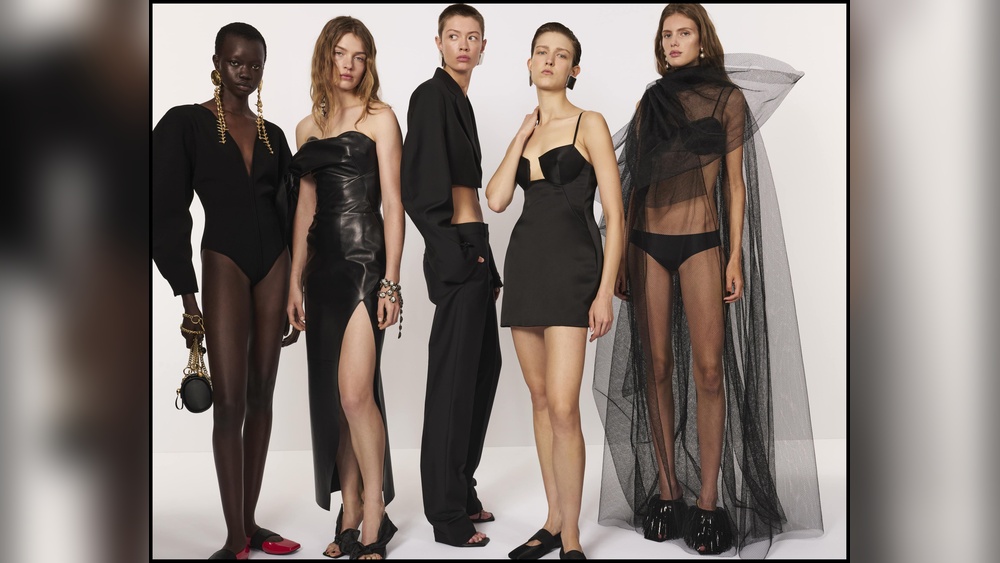
Givenchy: A Legacy of Elegance and Revolution
Last Updated on September 19, 2026
Givenchy is a name synonymous with haute couture, luxury fashion, and timeless style. Founded in France, this iconic brand has dressed some of the world’s most elegant women and continues to shape the fashion industry with its distinctive aesthetic. From its revolutionary beginnings to its current global presence, Givenchy represents a unique blend of Parisian chic and modern sophistication.
The brand’s journey began with Hubert de Givenchy, a visionary designer who set out to create a new vision of elegance. He believed in simplicity, refinement, and a touch of audacity. His designs quickly gained attention for their clean lines, luxurious fabrics, and impeccable craftsmanship.
The Founding Vision Of Hubert De Givenchy
Hubert de Givenchy launched his eponymous fashion house in 1952. He was driven by a desire to create clothing that was both sophisticated and wearable. Unlike many designers of his time who focused on elaborate, restrictive garments, Givenchy championed a more relaxed yet undeniably chic silhouette.
He famously introduced the “Bettina blouse,” a simple yet elegant white cotton shirt named after the model Bettina Graziani. This piece became an instant sensation, embodying his design philosophy of effortless grace. This early success set the stage for a career marked by iconic creations and lasting influence.
Early Collaborations And Iconic Moments
Hubert de Givenchy’s talent did not go unnoticed. He soon formed a legendary partnership with actress Audrey Hepburn. Hepburn became the face of Givenchy, wearing his designs in films like “Sabrina” and “Breakfast at Tiffany’s.”
The “little black dress” Hepburn wore in “Breakfast at Tiffany’s” is perhaps the most famous collaboration between the designer and actress. This iconic black sheath dress became a symbol of timeless elegance and solidified Givenchy’s place in fashion history. Their collaboration redefined cinematic fashion and created a lasting legacy of style.
Evolution Of The Brand: Designers And Collections
After Hubert de Givenchy retired in 1995, the house of Givenchy entered a new era. Several talented designers have since taken the creative helm, each bringing their unique vision while respecting the brand’s core heritage. These creative directors have ensured Givenchy remains at the forefront of fashion innovation.
The brand’s collections consistently showcase a blend of classic Parisian style and contemporary trends. Whether it’s ready-to-wear, haute couture, or accessories, Givenchy maintains a distinct identity characterized by sophisticated silhouettes and bold detailing.
Key Creative Directors And Their Impact
The post-Hubert de Givenchy era has seen a series of influential designers shape the brand’s direction.
- John Galliano (1995-1996): Though his tenure was brief, Galliano brought his signature theatricality and romanticism to Givenchy, adding a dramatic flair to the collections.
- Alexander McQueen (1996-2001): McQueen injected a dose of avant-garde edge and dark romanticism, pushing the boundaries of haute couture with his daring designs.
- Julien Macdonald (2001-2004): Macdonald continued with a glamorous and often provocative aesthetic, focusing on embellishments and body-conscious silhouettes.
- Riccardo Tisci (2005-2017): Tisci ushered in a new era for Givenchy, blending streetwear influences with haute couture. He introduced a darker, more Gothic aesthetic, alongside religious and tribal motifs. His work with celebrities like Madonna and Beyoncé brought a modern, edgy appeal to the brand.
- Clare Waight Keller (2017-2020): Waight Keller brought a refined, sophisticated, and more minimalist approach. She famously designed Meghan Markle’s wedding dress, a moment that highlighted the brand’s enduring elegance and appeal.
- Matthew M. Williams (2020-Present): Williams, known for his work with 1017 ALYX 9SM, brings a strong focus on modern streetwear, technical fabrics, and a futuristic vision to Givenchy. His designs often feature bold hardware and a utilitarian edge.
Each designer has left their mark, contributing to the multifaceted identity that Givenchy embodies today.
Givenchy’s Signature Style Elements
Givenchy’s enduring appeal lies in its consistent yet evolving style. The brand is recognized for several key elements that define its collections across different eras. These elements contribute to the unique and recognizable Givenchy aesthetic.
The brand often plays with contrasts: classic tailoring meets modern cuts, bold graphics meet subtle embellishments, and masculine silhouettes meet feminine details. This duality creates visually striking and sophisticated pieces.
Iconic Designs And Products
Beyond the legendary Audrey Hepburn collaborations, Givenchy has produced numerous iconic items.
- The Antigona Bag: This structured, geometric handbag has become a modern classic, known for its durability and chic design. It is a staple in many luxury wardrobes.
- The Nightingale Bag: Another popular handbag, the Nightingale offers a softer, more slouchy silhouette while retaining Givenchy’s signature elegance.
- Haute Couture Creations: From elaborate gowns to avant-garde ensembles, Givenchy’s haute couture collections are renowned for their exquisite craftsmanship, innovative techniques, and artistic vision.
- Fragrances: Givenchy has a successful line of perfumes, such as “L’Interdit” and “Very Irresistible,” which capture the brand’s essence of allure and sophistication.
These products embody the brand’s commitment to luxury, quality, and distinctive design.
Givenchy In The Modern Fashion Landscape
Today, Givenchy continues to be a major player in the global fashion industry. Under Matthew M. Williams, the brand is exploring new territories, blending high fashion with a contemporary, youth-oriented sensibility. The focus is on creating desirable pieces that resonate with a diverse and modern clientele.
The brand’s presence extends beyond clothing and accessories to include beauty products, fragrances, and even home décor, showcasing its versatility and broad appeal. Givenchy remains a symbol of French luxury and artistic expression.
Key Market Segments And Global Reach
Givenchy targets a discerning clientele who appreciate quality, craftsmanship, and iconic design. Its products are available worldwide through flagship stores, department stores, and online retailers. The brand maintains a strong presence in key fashion capitals like Paris, New York, London, and Tokyo.
The brand’s appeal spans different age groups, with younger consumers drawn to its streetwear-influenced collections and older, established customers appreciating its classic elegance. This broad appeal is a testament to its adaptable and enduring design philosophy.
Comparing Givenchy To Other Luxury Brands
Givenchy occupies a unique space within the luxury fashion market. While sharing similarities with other French houses like Chanel and Dior in terms of heritage and craftsmanship, Givenchy often distinguishes itself through its bolder, more avant-garde moments and its embrace of streetwear elements in recent years.
Here’s a brief look at how Givenchy compares to two other major luxury fashion houses:
| Feature | Givenchy | Chanel | Dior |
|---|---|---|---|
| Founding Year | 1952 | 1910 | 1946 |
| Founder’s Style | Elegant simplicity, refined silhouettes | Timeless chic, functional luxury | Feminine opulence, the “New Look” |
| Current Creative Director | Matthew M. Williams | Virginie Viard | Maria Grazia Chiuri |
| Signature Aesthetic | Sophisticated, modern, often with edgy or streetwear influences | Classic, iconic, understated elegance | Feminine, romantic, architectural |
| Key Iconic Items | Antigona Bag, L’Interdit Perfume, Audrey Hepburn’s |