
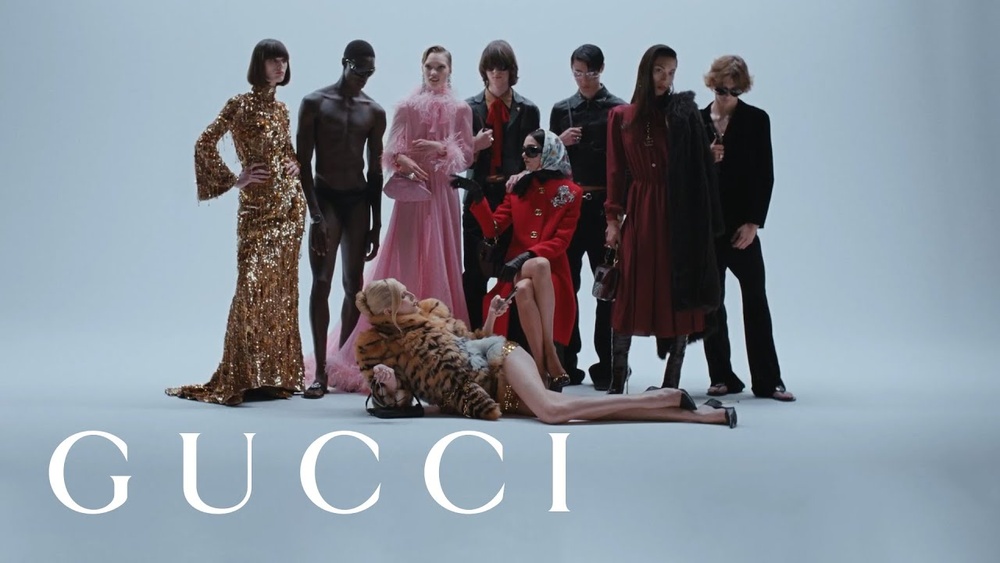
Gucci: Luxury’s Iconic Name
Last Updated on September 19, 2026
Gucci is a name that instantly brings to mind luxury, Italian craftsmanship, and iconic fashion. This world-renowned brand has a rich history, starting from humble beginnings to becoming a global symbol of opulence and style. From its distinctive G-pattern to its bold designs, Gucci continues to influence the fashion industry and captivate consumers worldwide.
The Genesis Of Gucci: From Leather Goods To Global Icon
Guccio Gucci founded Gucci in Florence, Italy, in 1921. Initially, the company focused on leather goods, particularly handbags and luggage, drawing inspiration from the elegant equestrian culture of the time. The early success of Gucci was built on a foundation of high-quality materials and skilled artisanal work.
The brand’s distinctive double G logo, a symbol of the founder’s initials, became a mark of prestige. During World War II, when leather was scarce, Gucci ingeniously used canvas and developed its signature diamond-shaped print, further solidifying its unique aesthetic. This period also saw the introduction of the iconic Gucci Bamboo handle bag, a design that remains popular today.
Evolution And Expansion: Embracing New Designs And Markets
After Guccio’s death, his sons took over and expanded the company internationally. The 1960s and 1970s were a golden era for Gucci, with the brand becoming a favorite among celebrities and the jet set. This period saw the introduction of new product lines, including scarves, ties, and ready-to-wear clothing, all bearing the unmistakable Gucci flair.
However, the brand faced internal struggles and a dilution of its image in the late 1980s and early 1990s. The arrival of Tom Ford as creative director in 1994 marked a dramatic turning point. Ford revitalized Gucci with a sexy, glamorous, and modern vision, re-establishing its status as a leader in high fashion and achieving remarkable commercial success.

Credit: www.gq.com
The Gucci Aesthetic: A Blend Of Heritage And Modernity
Gucci’s aesthetic is a complex fusion of its rich heritage and contemporary trends. Under various creative directors, the brand has consistently evolved while retaining core elements that define its identity. The use of bold colors, intricate patterns, and luxurious materials are hallmarks of Gucci designs.
The iconic GG Supreme canvas, often adorned with floral motifs or other distinctive prints, is instantly recognizable. Gucci also plays with its heritage, reinterpreting classic designs with a modern twist. This approach appeals to both long-time aficionados and a new generation of fashion-conscious consumers.
Iconic Gucci Products
Gucci has produced a myriad of coveted items over the decades. Among the most famous are:
- The Gucci Bamboo Bag: First introduced in 1947, this bag is renowned for its unique bamboo handle and continues to be a symbol of the brand’s innovation and elegance.
- The Horsebit Loafer: A classic since its debut in the 1950s, this shoe features the distinctive horsebit detail and remains a staple in luxury footwear.
- The GG Marmont Bag: A more recent addition, this bag has become incredibly popular for its quilted design and prominent GG logo.
- Gucci Scarves: Made from silk and often featuring vibrant prints, Gucci scarves are a timeless accessory.
These products represent the enduring appeal of Gucci, blending timeless design with modern sensibilities.
Gucci Today: A Global Luxury Powerhouse
Under the creative direction of Alessandro Michele from 2015 to 2026, Gucci underwent another significant transformation. Michele introduced an eclectic, romantic, and maximalist aesthetic, characterized by its vintage influences, gender-fluid designs, and bold maximalism. This era saw Gucci achieve unprecedented commercial growth, resonating strongly with younger demographics.
In 2026, Sabato De Sarno took the helm as the new Creative Director, signaling a new chapter for the brand. De Sarno is expected to bring his own vision, potentially leaning towards a more refined and sophisticated expression of luxury, while still honoring Gucci’s rich legacy.
Gucci’s current strategy involves a strong focus on digital innovation, sustainability initiatives, and collaborations with artists and other brands. This multi-faceted approach ensures Gucci remains at the forefront of the luxury market, adapting to changing consumer preferences and the evolving fashion landscape.
Sustainability Efforts At Gucci
Gucci has made significant strides in sustainability. The brand has committed to reducing its environmental impact through various initiatives, including the use of recycled and organic materials, and the implementation of eco-friendly production processes. Their Gucci Equilibrium platform outlines their commitment to social and environmental responsibility.
Collaborations And Cultural Impact
Gucci has a history of impactful collaborations. These partnerships, such as those with Adidas and The North Face, have allowed the brand to reach new audiences and explore different creative territories. These ventures often result in highly sought-after limited-edition collections that blend the unique identities of the collaborating entities.

Credit: pitchfork.com
Understanding Gucci’s Pricing And Market Position
Gucci products are positioned at the high-end of the luxury market. Prices reflect the use of premium materials, meticulous craftsmanship, brand heritage, and global demand. A Gucci handbag can range from several hundred to thousands of dollars, while ready-to-wear clothing and shoes also command premium prices.
Gucci Vs. Competitors
Gucci competes with other leading luxury fashion houses such as Louis Vuitton, Chanel, Dior, and Prada. While all offer high-quality, aspirational products, Gucci often distinguishes itself through its bold, eclectic designs and its ability to blend historical references with contemporary trends.
Here’s a look at how Gucci’s product categories generally compare in price:
| Product Category | Typical Price Range (USD) | Key Differentiators |
|---|---|---|
| Handbags | $1,500 – $8,000+ | Iconic designs, premium leather, GG Supreme canvas |
| Shoes (Loafers/Sneakers) | $700 – $2,000+ | Craftsmanship, signature hardware, unique patterns |
| Ready-to-Wear | $1,000 – $10,000+ | Bold prints, innovative silhouettes, quality fabrics |
| Accessories (Belts/Wallets) | $300 – $1,500 | Signature GG logo, durable materials |
*Note: Prices are approximate and can vary significantly based on specific product, materials, and collection.*
Frequently Asked Questions About Gucci
What Does The Gucci Logo Mean?
The most recognizable Gucci logo is the double G, which stands for Guccio Gucci, the founder of the brand. It was first introduced in the 1960s and has become a powerful symbol of luxury and heritage.
Where Is Gucci Made?
While Gucci is an Italian brand, its products are manufactured in various locations. The company has production facilities in Italy and other countries, with a strong emphasis on maintaining high standards of quality and craftsmanship regardless of the manufacturing location.
Is Gucci A Good Investment?
While Gucci items are luxury goods and not typically considered traditional investments, certain iconic pieces, particularly limited editions or vintage items in excellent condition, can hold or increase their value over time. However, for most purchases, the primary value is in their use and brand prestige.
What Is Gucci’s Most Famous Product?
Gucci is famous for many products, but some of the most iconic include the Bamboo handle bag, the Horsebit loafer, and the GG Supreme canvas bags. The specific “most famous” can shift with trends, but these items have enduring recognition.
How Can I Spot A Fake Gucci Bag?
Authentic Gucci bags have high-quality materials, precise stitching, evenly spaced logos, and proper hardware. Always check for the serial number on the leather tag inside the bag, consistent font styles, and the overall feel and weight of the product. Buying