
Hermès: Luxury’s Timeless Icon
Last Updated on September 19, 2026
The story of Hermès is one of quiet luxury, exceptional craftsmanship, and timeless elegance. What began in the 19th century as a harness workshop for Parisian nobility has evolved into one of the world’s most coveted luxury brands. Known for its exquisite leather goods, silk scarves, and iconic handbags, Hermès represents a pinnacle of quality and exclusivity. Understanding the brand means looking beyond just its products; it’s about appreciating the heritage, the dedication to artisanal skill, and the enduring appeal that makes Hermès a symbol of sophisticated taste.
From Saddles To Silk: The Genesis Of Hermès
The Hermès journey started in 1837 when Thierry Hermès opened his saddlery workshop in Paris. His focus was on creating high-quality harnesses and equestrian equipment for the aristocracy. At the time, horses were the primary mode of transportation, and beautifully crafted saddles and bridles were essential. Hermès quickly gained a reputation for his meticulous attention to detail and the superior quality of his materials.
This early specialization in leatherwork laid the foundation for the brand’s future success. The skills honed in crafting equestrian gear, precision stitching, careful material selection, and durable construction, would later be applied to other luxury items. As transportation evolved, so did Hermès.
The company adapted, moving into luggage and accessories that catered to a more mobile clientele.
The Evolution Of Iconic Products
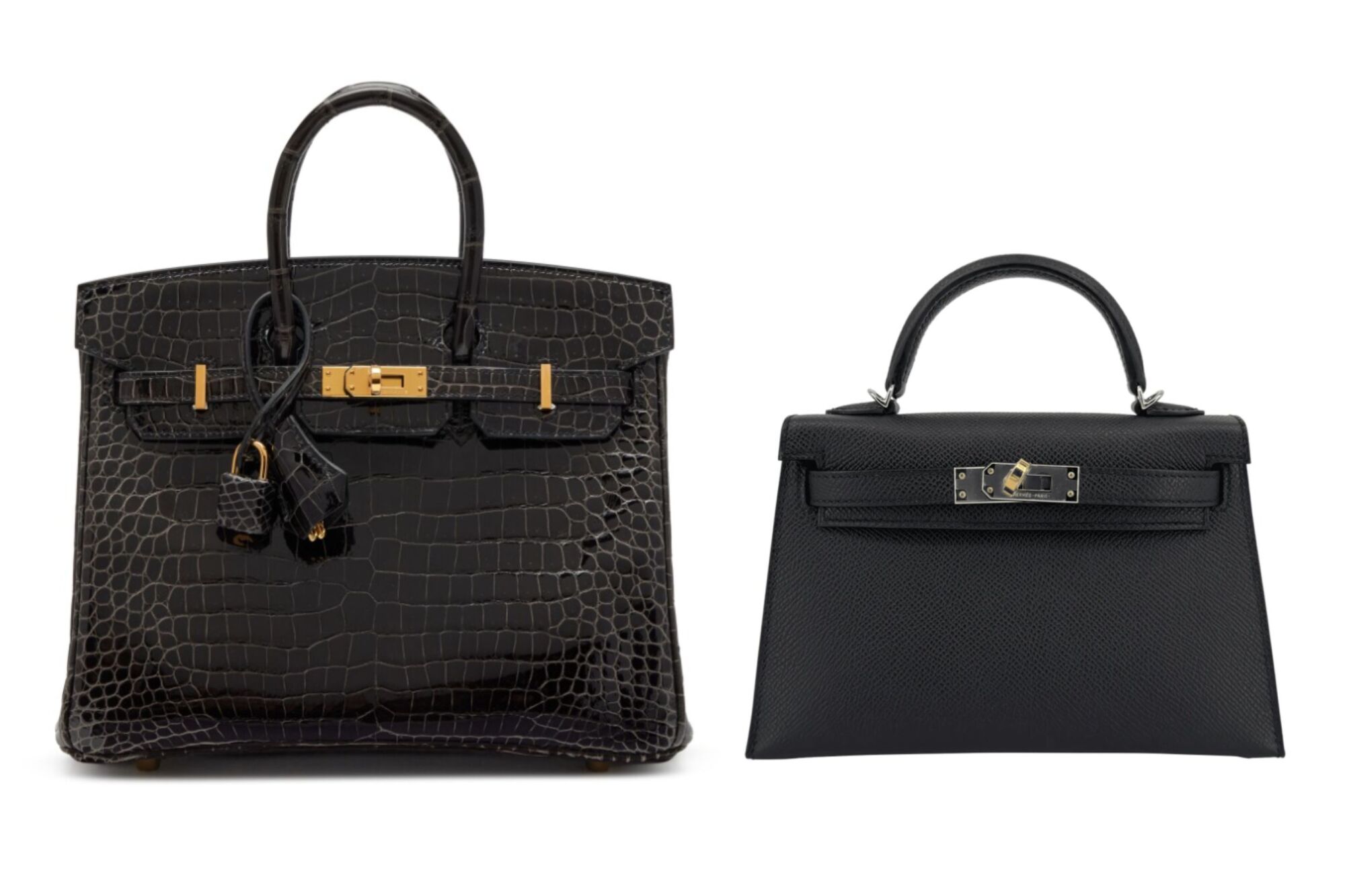
While Hermès began with equestrian goods, it is perhaps most famous today for its handbags and silk scarves. The Kelly bag and the Birkin bag are legendary, each with its own story and immense desirability. The Kelly bag, originally known as the Sac à dépêches, gained its iconic status when actress Grace Kelly was photographed carrying it in 1956, coincidentally hiding her pregnancy. The Birkin bag was famously designed in 1984 for actress Jane Birkin after a chance encounter with Hermès’ then-CEO Jean-Louis Dumas on a flight.
Beyond handbags, Hermès silk scarves, known as Carrés, are another hallmark of the brand. First introduced in 1937, these scarves are made from the finest silk and feature intricate, often artistic designs. Each scarf tells a story, with motifs ranging from equestrian themes to historical patterns and contemporary art. The quality of the silk and the vibrancy of the prints have made them collector’s items.
Here’s a look at some of Hermès’ most celebrated product categories:
- Leather Goods: This includes their famous handbags, wallets, belts, and travel accessories, all crafted from the finest leathers.
- Silk: Scarves (Carrés), ties, and foulards made from luxurious silk.
- Ready-to-Wear: Clothing collections for men and women, known for their sophisticated design and high-quality fabrics.
- Watches: Elegant timepieces that combine Swiss watchmaking expertise with Hermès’ aesthetic.
- Home Goods: A curated selection of furniture, tableware, and decorative items, reflecting the brand’s commitment to design and craftsmanship.
The Art Of Craftsmanship And Materials
What truly sets Hermès apart is its unwavering commitment to artisanal craftsmanship. Each product is made by skilled artisans who often specialize in a particular technique or product type. This dedication to traditional methods ensures that every item is not just a luxury good, but a piece of art. The brand famously employs hundreds of artisans who undergo rigorous training.
The selection of materials is equally critical. Hermès uses only the highest quality leathers, sourced from around the world. Whether it’s the supple Togo leather, the grained Clemence, or the smooth Box calf, each hide is chosen for its unique characteristics and durability.
Similarly, their silks are the finest available, and their metals are often palladium or gold-plated for a lasting shine.
Pro Tip: The waitlist for iconic Hermès bags like the Birkin and Kelly can be notoriously long, and purchasing one often involves a relationship with a sales associate and a history of other purchases. This exclusivity is a key part of the brand’s allure.
Hermès Today: A Global Luxury Icon
Today, Hermès remains a family-controlled company, a rarity in the luxury goods sector. This independence allows them to maintain their core values and long-term vision, resisting the pressures of short-term financial targets. The brand operates numerous ateliers worldwide, ensuring that its production standards remain consistent.
The Hermès brand value is built on more than just its products; it’s about the experience. From the iconic orange boxes to the impeccable customer service, every touchpoint reinforces the sense of exclusivity and luxury. The brand consistently ranks among the most valuable luxury brands globally. For instance, in 2026, Hermès was valued at approximately $50 billion, demonstrating its significant market presence and enduring appeal.
A look at Hermès’ financial performance highlights its strength:
| Year | Revenue (approximate) | Growth Rate (approximate) |
|---|---|---|
| 2026 | $11.7 billion | 42% |
| 2026 | $13.4 billion | 14% |
| 2026 | $14.7 billion | 10% |
*Source: Hermès Annual Reports*
This consistent growth, even in challenging economic times, speaks to the brand’s resilience and the unwavering demand for its products. The company’s focus on heritage and quality resonates deeply with consumers seeking lasting value.

Credit: www.whowhatwear.com
The Hermès Ethos: More Than Just A Logo
The appeal of Hermès lies in its subtle yet powerful ethos. It’s a brand that doesn’t shout its luxury; it whispers it through the quality of its materials, the perfection of its craftsmanship, and the timelessness of its designs. Unlike brands that rely heavily on overt logos, Hermès items are often recognized by those “in the know” through their distinctive style, hardware, and the unmistakable feel of the leather or silk.
In my experience, owning an Hermès item is less about displaying wealth and more about appreciating a piece of functional art. The longevity of these products is remarkable; a well-cared-for Hermès bag or scarf can last for decades, often outliving trends and becoming cherished heirlooms.
This focus on durability and timeless design is a stark contrast to the fast-fashion cycle.
Frequently Asked Questions
Credit: www.sothebys.com
What Is Hermès Most Famous For?
Hermès is most famous for its luxury leather goods, particularly its iconic handbags like the Kelly bag and the Birkin bag. It is also renowned for its high-quality silk scarves (Carrés), ties, and equestrian-inspired accessories. The brand’s reputation is built on exceptional craftsmanship and timeless design.
How Did Hermès Start?
Hermès was founded in 1837 by Thierry Hermès in Paris, France. It began as a workshop specializing in high-quality harnesses and saddlery for horses, serving the European aristocracy. The company later expanded into luggage, bags, and other fashion accessories.
Credit: mygemma.com
Is Hermès Still A Family-owned Business?
Yes, Hermès remains a family-controlled company. This independence is a significant aspect of its identity, allowing it to prioritize long-term vision and maintain its commitment to quality and craftsmanship over short-term market demands. The Dumas family, descendants of Thierry Hermès, still holds a substantial stake in the company.
Why Are Hermès Bags So Expensive And Hard To Get?
Hermès bags are expensive due to the superior quality of materials, the labor-intensive artisanal production process, and the exclusivity deliberately maintained by the brand. Each bag is handcrafted by skilled artisans, often taking many hours to complete. The demand far exceeds the supply, leading to long waiting lists and a carefully managed distribution process that adds to their desirability and perceived value.
What Makes Hermès Different From Other Luxury Brands?
Hermès differentiates itself through its unwavering commitment to traditional craftsmanship and its focus on subtle luxury rather than overt branding. While many luxury brands rely on prominent logos, Hermès items are often recognized by their distinctive design, material quality, and impeccable finishing. The brand’s heritage in