
Prada: Luxury’s Iconic Brand Unveiled
Last Updated on September 19, 2026
Prada is a name synonymous with luxury fashion and Italian craftsmanship. Founded in Milan in 1913 by Mario Prada, the brand has evolved from a leather goods shop to a global powerhouse. Prada is celebrated for its innovative designs, high-quality materials, and a distinct aesthetic that often blends classic elegance with a modern, avant-garde edge.
The company’s journey is a fascinating story of reinvention and strategic vision. Initially focusing on travel accessories like trunks and handbags, Prada gained a reputation for its use of exotic materials and meticulous attention to detail. However, it was under the leadership of Miuccia Prada, Mario’s granddaughter, that the brand truly transformed into the fashion icon it is today.
She took the helm in the 1970s and began to steer Prada towards ready-to-wear clothing, challenging conventional notions of beauty and luxury.
The Rise Of Prada: From Luggage To Global Icon
Mario Prada opened his first store, Fratelli Prada, in Milan’s prestigious Galleria Vittorio Emanuele II. The shop quickly became a favorite among the Italian elite and European aristocracy for its exquisite leather bags, travel accessories, and luggage. Prada’s early success was built on a foundation of superior craftsmanship and the use of unique, high-quality materials, including exotic leathers like walrus and Borneo.
For decades, the brand remained a family-run business, known for its understated elegance and exclusivity. However, by the 1970s, the company faced financial difficulties. This is when Miuccia Prada, who had initially trained as a mime and held communist views, unexpectedly took over the business.
She brought a fresh, unconventional perspective, which would soon redefine the brand’s identity.
Miuccia Prada’s Visionary Leadership
Miuccia Prada’s influence marked a pivotal moment for the brand. She rejected traditional glamour, instead embracing a more intellectual and sometimes provocative aesthetic. Her first major success came in 1985 with the launch of a collection of black nylon backpacks. These were a stark contrast to the opulent leather goods the brand was known for, yet they became an instant hit. The durable, utilitarian yet chic backpacks perfectly captured a new sense of modern luxury that was practical and understated.
This collection demonstrated Miuccia’s ability to identify and create trends, rather than just follow them. She continued to push boundaries with her clothing lines, introducing designs that were often minimalist, functional, and subtly subversive. Her approach to fashion was deeply rooted in art, politics, and sociology, making Prada more than just a clothing brand, it became a cultural statement.
Prada’s Iconic Products And Aesthetics
Prada is renowned for its distinct style that often plays with contrasts. The brand is celebrated for its ability to be both classic and cutting-edge, elegant and edgy. This unique blend has cemented its status in the fashion world.
The Nylon Revolution
The Prada nylon bag remains one of the brand’s most iconic and influential creations. The utilitarian fabric, often seen in a deep black, was a radical departure from the luxurious leathers typically used in high fashion. Miuccia Prada’s decision to use nylon for backpacks and later for other accessories like pouches and skirts, was a masterstroke.
These nylon pieces offered a new kind of luxury: one that was accessible, durable, and effortlessly cool. They appealed to a generation looking for practical yet stylish items that could transition from day to night. The enduring popularity of Prada’s nylon collection speaks to its timeless design and Miuccia’s foresight in embracing unconventional materials.
Ready-to-wear And Beyond
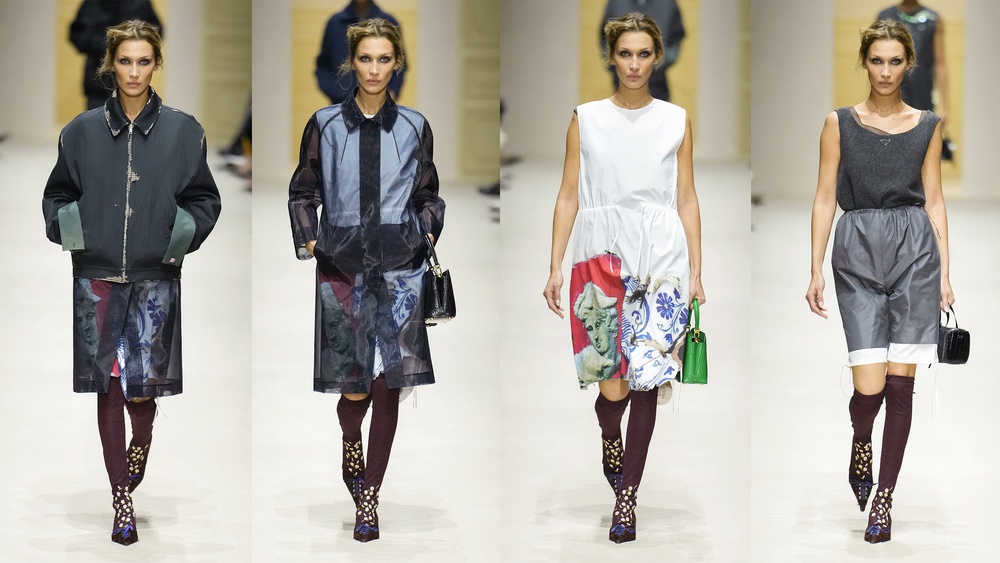
While handbags and accessories brought Prada global recognition, its ready-to-wear collections are equally influential. Miuccia Prada’s designs often feature clean lines, bold silhouettes, and a sophisticated color palette, frequently dominated by black, white, and earthy tones. She is known for her intellectual approach to fashion, often drawing inspiration from uniforms, vintage clothing, and art movements.
Prada’s collections frequently explore themes of femininity, power, and the modern woman. Her designs can be both demure and daring, often featuring unexpected details like intricate embellishments, unusual proportions, or daring cutouts. This constant evolution and willingness to experiment keep Prada at the forefront of fashion trends.

Credit: www.vogue.com
Prada’s Business And Global Reach
Prada is a significant player in the global luxury market. The brand operates through a network of directly operated stores and authorized retailers worldwide. Its financial performance is closely watched by industry analysts, reflecting its importance in the luxury sector.
The Prada Group, which also owns Miu Miu, Church’s, and Car Shoe, has implemented various strategies to maintain its competitive edge. This includes investing in digital platforms, focusing on sustainability, and continuously innovating its product offerings. The brand’s ability to adapt to changing consumer preferences and market dynamics has been key to its sustained success.
Financial Performance And Market Position
Prada’s financial results often provide insights into the health of the broader luxury goods market. For instance, in the fiscal year ending January 31, 2026, the Prada Group reported net revenues of €4.2 billion, marking a significant increase. This growth highlights the brand’s strong recovery and continued appeal to consumers globally.
The company’s strategic focus on key markets, particularly in Asia, and its investment in e-commerce have been crucial drivers of this performance. Prada’s ability to connect with younger consumers through digital channels and exclusive collections has also been vital.
Key Markets And Growth Strategies
Prada’s global presence is extensive, with a strong foothold in Europe, Asia, and North America. Asia, in particular, remains a critical market, with China representing a significant portion of its customer base. The brand has actively engaged with consumers in these regions through targeted marketing campaigns and localized events.
In my experience, a key strategy for Prada has been its ability to balance its heritage with contemporary relevance. They often collaborate with artists and designers, host fashion shows in iconic locations, and leverage social media to create buzz. This multi-faceted approach ensures that Prada remains not just a luxury brand, but a cultural phenomenon.
The Prada Aesthetic: More Than Just Clothes
The Prada aesthetic is characterized by its intellectualism, its embrace of the unconventional, and its enduring elegance. It’s a style that appeals to those who appreciate thoughtful design and a touch of avant-garde flair.
Timeless Appeal And Innovation
What sets Prada apart is its consistent ability to innovate while staying true to its core identity. Miuccia Prada has often spoken about her desire to create clothes that reflect the complexities of modern life. This philosophy results in designs that are not only beautiful but also thought-provoking.
The brand’s commitment to quality is evident in every piece. From the finest leathers to the innovative use of nylon, Prada products are made to last. This focus on durability and craftsmanship contributes to the timeless appeal of Prada items, making them investment pieces rather than fleeting trends.
Prada In Popular Culture
Prada has also made a significant impact on popular culture. The brand’s distinctive style has been featured in numerous films, television shows, and music videos, further cementing its status as a cultural icon. The movie *The Devil Wears Prada*, while a fictional portrayal, highlights the power and influence associated with the brand and the fashion industry.
The brand’s presence in fashion magazines, on runways, and through celebrity endorsements ensures its continued relevance. Prada consistently sets trends, influencing designers and consumers alike with its unique vision.
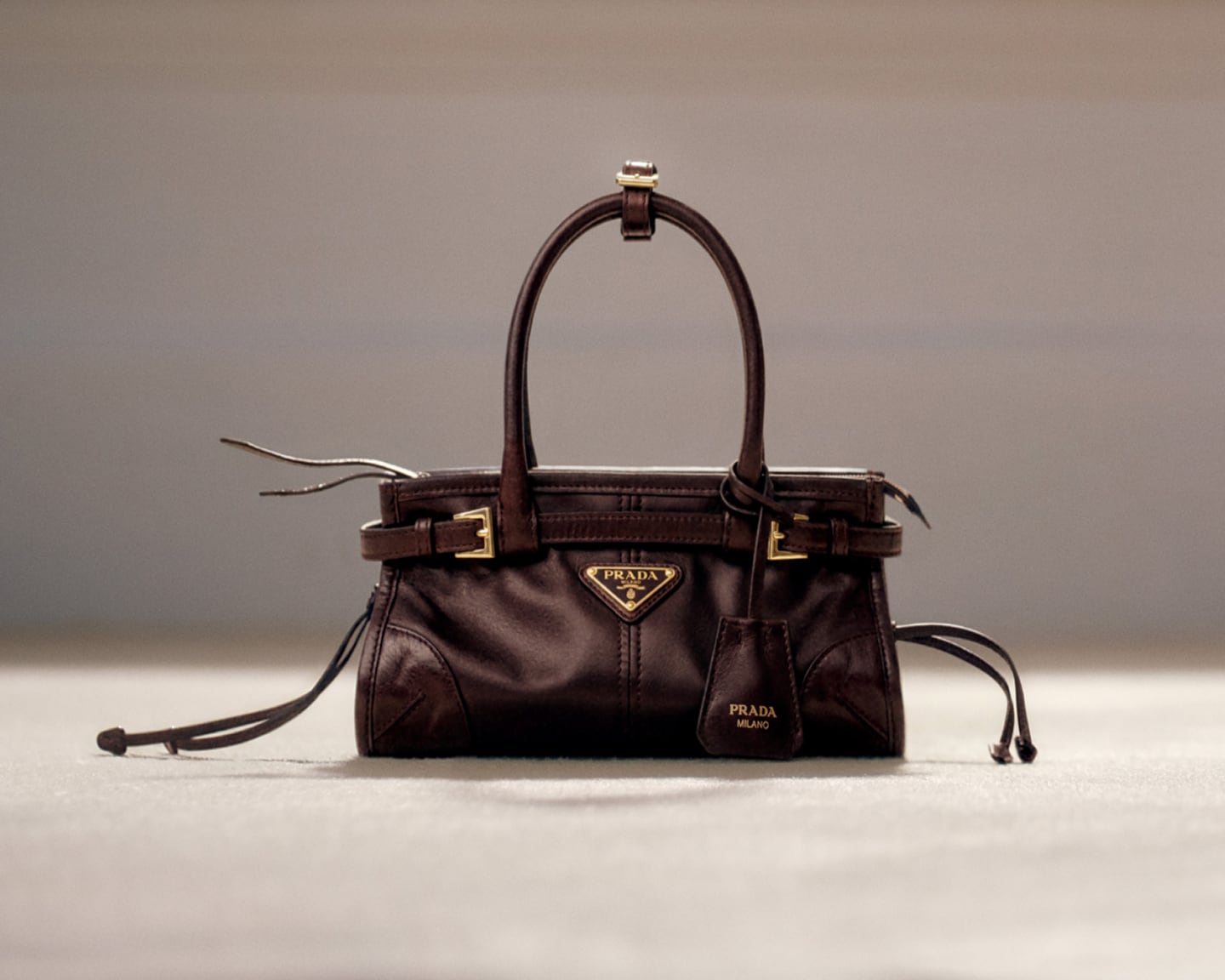
Credit: www.prada.com
Prada’s Influence On The Fashion Industry
Prada’s impact extends far beyond its own sales figures. The brand has consistently pushed the boundaries of fashion, influencing design trends, material usage, and the very definition of luxury. Its willingness to experiment and challenge norms has inspired countless other designers and brands.
Material Innovation And Design Philosophy
The introduction of nylon into high fashion by Prada was revolutionary. It demonstrated that luxury could be found in unexpected materials, encouraging a broader exploration of textiles within the industry. Miuccia Prada’s design philosophy, which often incorporates elements of irony, art, and social commentary, has also been highly influential.
This intellectual approach to fashion encourages wearers to think critically about what they wear and what it represents. Prada’s collections often spark conversations about identity, gender, and societal expectations