
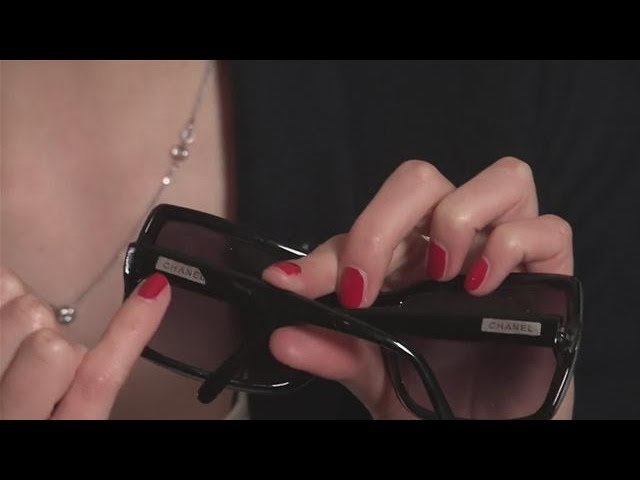
How Can You Tell If Chanel Sunglasses Are Real: Expert Guide
Last Updated on September 24, 2026
How Can You Tell If Chanel Sunglasses Are Real? Check the precise alignment of the serial number laser-etched into the temple and verify the professional finish of the hinges. Inspect the temple engravings for accuracy to ensure authenticity.
How to tell if your Chanel sunglasses are real
| What you notice | What it usually means | What to do first |
|---|---|---|
| Laser-etched serial number | Likely genuine model | |
| Plastic or metal burrs | Manufacturing defect or fake | Return to the seller |
| Loose or gritty hinges | Poor construction quality | Check screw tension |
| Blurred brand logo | Low-quality printing | Examine under magnification |
| Improper nose pad fit | Incorrect frame alignment | Visit an optical shop |
| Flimsy or cheap case | Packaging substitution | Verify with original receipt |
The Laser Etched Serial Number
The most reliable way to verify your pair is to examine the temple for a unique, laser-etched serial number. This code is never painted or glued on; it’s cut directly into the glass or plastic. To confirm it, hold the glasses up to a light source at an angle. You should see a crisp, clean sequence of characters that matches the number found on the Chanel authenticity card provided with the purchase. If the number is missing, or if the etching feels rough to the touch, the item is likely a high-quality imitation. If the glasses have a serial number that matches the documentation, you have confirmed the first layer of authenticity.
Consistent Hinge Tension
Authentic frames use high-quality hardware that remains firm even after months of daily use. If the arms swing loosely or make a grinding noise when you open them, the internal spring mechanism is likely compromised or poorly manufactured. Test this by opening the arms fully and observing if they snap back to the closed position with a smooth, silent motion. A fake pair often uses generic screws that don’t sit flush with the frame. If you notice the hinges are uneven or the screws are stripped, it’s a sign of poor assembly. Genuine hinges remain tight and consistent; if they feel loose, you should take them to a professional optician for a frame adjustment.
Quality of Internal Markings
The inside of the temple arms contains specific manufacturing information that must be perfectly legible and centered. Look for the “Made in Italy” stamp followed by the specific model number and the “CE” mark, which indicates the product meets European safety standards. On a real pair, these letters are pressed deeply into the material rather than printed on the surface. If you see paint flaking off or letters that look unevenly spaced, it’s a sign of a counterfeit product. You should compare these details against the official photos on the brand’s website. If the font style or the spacing between the letters doesn’t match the manufacturer’s official design, the glasses are likely unauthorized copies.
When to stop and get help
Stop trying to verify the glasses yourself if you encounter these specific issues, as they require professional equipment to diagnose:
- The lenses show signs of distortion that cause eye strain, which may indicate a lack of proper UV protection.
- The frame material feels sticky or releases a chemical smell, suggesting cheap, non-standard plastics.
- The serial number appears to have been scratched off or tampered with, which voids any potential warranty.
- You’re unsure if the UV coating is intact, as only an optician with a lensometer can measure light transmission.
Frequently asked questions
Can I check the authenticity using a phone app?
No, there’s no official app that can verify authenticity by scanning the glasses. You must rely on manual inspection of the serial number and the quality of the frame construction to determine if they’re genuine.
How long should the hinges last on real glasses?
Real frames typically last for many years with daily use before the hinges require tightening. If your glasses feel loose after only a few weeks, it’s a strong indicator that the construction doesn’t meet the manufacturer’s standards.
Is it safe to wear fake sunglasses?
No, it isn’t safe because counterfeit sunglasses often lack proper UV400 protection. Wearing lenses that don’t block harmful rays can cause more damage to your eyes than wearing no sunglasses at all, as the dark tint causes your pupils to dilate.
What happens if the serial number is missing?
If the serial number is missing, the glasses are likely either a counterfeit or a vintage model that predates this specific security feature. You should check the official brand documentation to see if your specific model year included laser-etched codes.
Does it matter if the box is damaged?
It doesn’t necessarily mean the glasses are fake, but it’s a red flag. Authentic packaging is designed to protect the glasses, so a damaged or low-quality box often suggests the seller has substituted the original accessories with cheaper items.
How much does an optician charge to verify them?
Most local opticians will verify frame quality for a small fee or for free if you’re a regular customer. They possess the tools to check lens material and hinge integrity, providing more certainty than a visual inspection.
Chanel Sunglasses, in short
If you’re still feeling uncertain about a pair you’ve found, don’t hesitate to visit a certified optician. They’ll have the right tools to confirm the quality for you. It’s always better to be sure before you buy, so you can enjoy your new accessory with total peace of mind.