
How Do You Say Merry Christmas In Swiss: The Correct Phrases
Last Updated on October 19, 2026
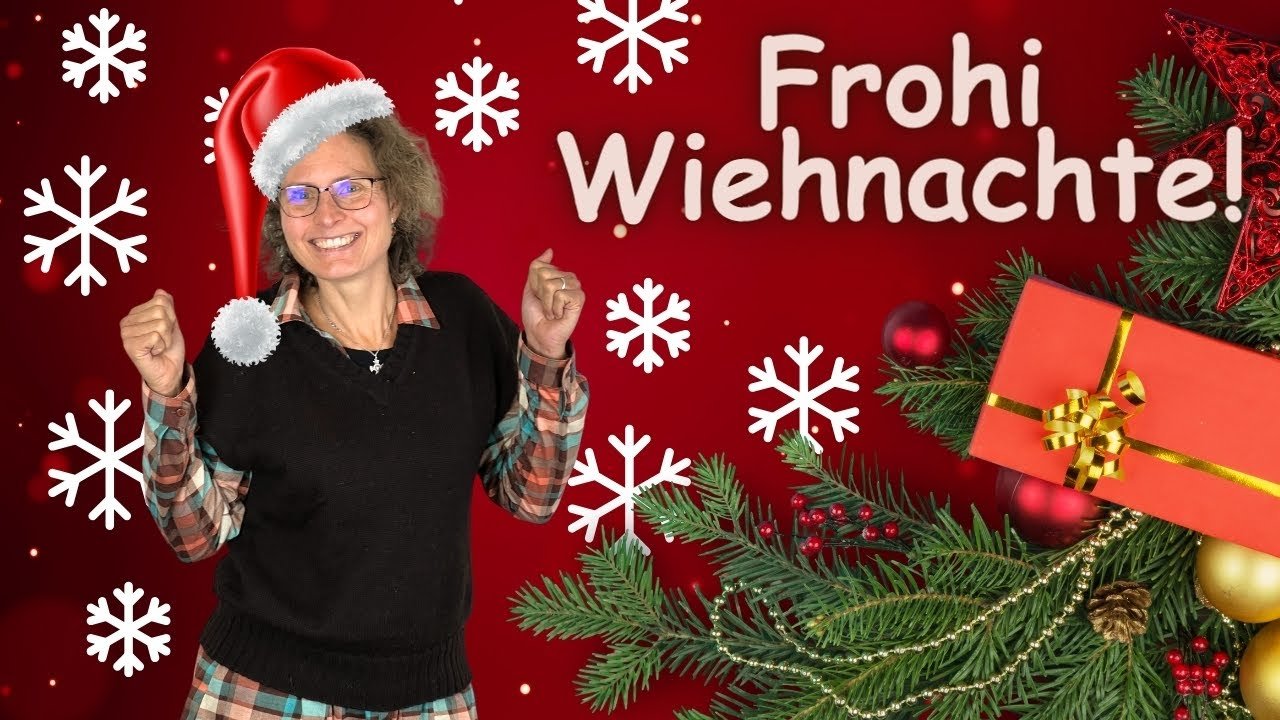
How Do You Say Merry Christmas In Swiss is a question answered by using the phrase “Schöni Wiehnachte” in the German-speaking regions of the country. Because Switzerland has four official languages, the greeting changes depending on which area you’re visiting.
How Do You Say Merry Christmas In Swiss Across Regions
Use “Schöni Wiehnachte” when you’re in German-speaking parts like Zurich or Bern. This Swiss-German phrase signals local familiarity. If you use the standard “Fröhliche Weihnachten” instead, you’ll be understood, but you’ll sound like a formal outsider or a tourist reading from a textbook.
Say “Joyeux Noël” if you’re in the French-speaking area known as the Romandy. This region follows standard French conventions.
Choose “Buon Natale” when you’re in the Italian-speaking canton of Ticino. Locals here appreciate the standard Italian greeting.
Speak “Allegra Nataleda” if you’re visiting the Romansh-speaking parts of Grisons. This is the rarest of the four languages. If you’re unsure which valley you’re in, check the local signage; if the names of towns are written in both German and Romansh, use the local Romansh greeting to build immediate rapport.
Why Swiss greetings differ by language
Language patterns in Switzerland reflect the country’s unique cultural structure where four official languages coexist within one nation. The federal administration recognizes German, French, Italian, and Romansh as official languages, which ensures that regional identities remain strong and preserved. According to the Federal Statistical Office, German is the most widely spoken language, used by over sixty percent of the population. This diversity means there’s no single “Swiss” language, so your greeting depends entirely on the specific canton you’re currently in. If you’re unsure which language to use, starting with a polite smile or a simple “Grüezi” in German areas is the standard way to initiate contact before you offer a holiday wish. You should always listen to how the locals greet you first, as this provides the best clue for which regional language is preferred.
When the greeting changes
| Situation | What changes | What to do instead |
|---|---|---|
| Formal dinner | Tone becomes serious | Use written cards |
| Casual party | Use local dialect | Keep it brief |
| Business meeting | Language formality | Use standard German |
| Writing a letter | Grammar rules | Check formal spelling |
| Speaking to elders | Use respectful titles | Add their name |
How to speak holiday greetings properly
- Identify the primary language of the canton by checking the local signs or listening to the public announcements in the train station.
- Practice the pronunciation of “Schöni Wiehnachte” by focusing on the “ch” sound, which is soft and comes from the back of your throat.
- Combine your greeting with a small gesture, such as a slight nod, to show respect for the local culture during the holiday season.
- If you’re in a French-speaking region, use “Joyeux Noël” with a light, upbeat tone to match the local style of social interaction.
- Wait for the other person to finish their sentence before you speak, as interrupting is considered very rude in all Swiss regions.
- Smile warmly while you deliver the greeting, as this helps bridge the gap if your accent reveals that you’re a visitor.
The mistakes that ruin it
- Assuming everyone speaks German, which can offend those in the French or Italian regions.
- Using a loud, booming voice in public places, as Swiss culture values quiet and modest social interactions.
- Mixing up the languages in the wrong canton, which shows a lack of awareness about local geography.
- Forgetting to offer a handshake, which remains the standard way to greet people during festive occasions in Switzerland.
Can I use English to say Merry Christmas?
Yes, you can use English in most tourist areas, as many Swiss people speak it fluently. However, learning the local phrase shows you respect their culture, which is highly appreciated by locals during the holiday season.
Is it safe to use these phrases with strangers?
Yes, it’s perfectly safe and polite to use these greetings with strangers in shops or restaurants. Swiss people are generally very friendly and will appreciate your effort to speak their language regardless of your accent.
How do I know which language to use?
You can look at the regional map of Switzerland to determine the primary language of your destination. If you’re traveling between cities, the language will shift as you cross the linguistic borders known as the Röstigraben.
What happens if I use the wrong language?
Nothing bad happens, but you might receive a confused look or a reply in a different language. Most people will simply switch to English or standard German to help you communicate more effectively once they realize you’re a visitor.
Does the greeting change based on age?
No, the words remain the same regardless of age, but the level of formality might shift. Use the standard regional greeting for everyone you meet, and you’ll be perfectly fine in any social setting.
How long should the greeting be?
Keep your greeting short, usually just the phrase itself followed by a polite nod. There’s no need to make a long speech, as the Swiss generally prefer direct and concise communication in their daily interactions.
Learning the local language is a wonderful way to connect with the people you meet during your travels. Whether you’re in a bustling city or a quiet mountain village, using the correct local greeting helps you show respect for the rich traditions that make Switzerland a unique and welcoming place to visit during the winter months.
Related guides