
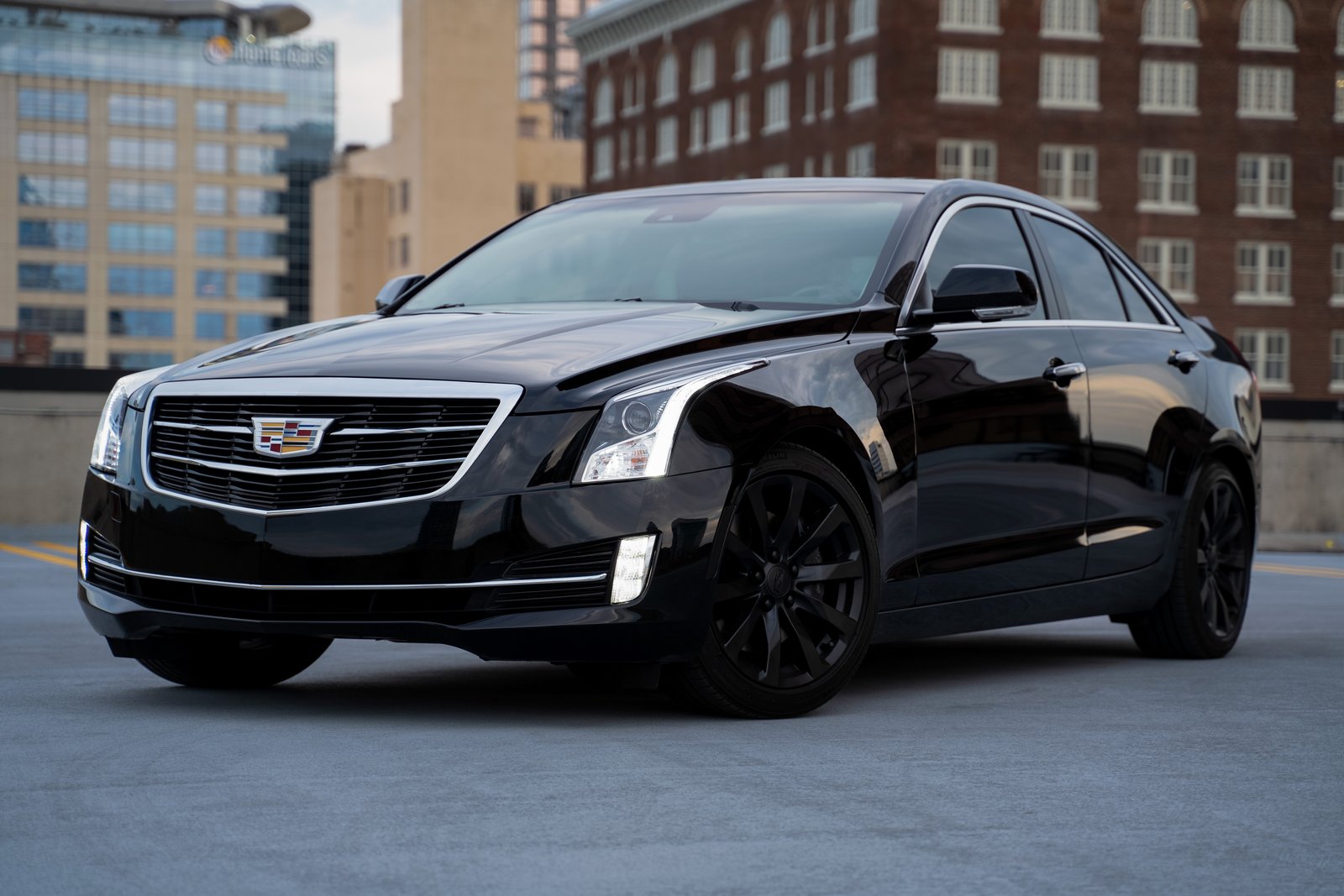
How Many Miles Do Cadillacs Last: The Expected Lifespan
Last Updated on October 3, 2026
How many miles do Cadillacs last? Most reach between 200,000 and 250,000 miles with consistent, professional maintenance, as the total lifespan depends on following the service schedule.
How Many Miles Do Cadillacs Last: Expected Lifespan
The way you drive your vehicle changes the wear on internal components. High-performance models or those used for frequent short trips in cold climates will reach their end sooner than a vehicle driven primarily on highways.
Consequences of delayed maintenance
Skipping scheduled service triggers a chain reaction of mechanical failures that starts with small, internal issues. When you miss a single oil change, sludge begins to build up in the engine block. This residue prevents proper lubrication, which increases friction between moving parts. If you continue to skip service for 10,000 miles past the manufacturer’s recommendation, you’ll likely face permanent engine damage, such as scored cylinder walls or a seized camshaft.
Beyond the engine, neglected cooling systems and transmission fluids lead to overheating. This often causes seals to dry out and crack, resulting in leaks that are expensive to repair. While some owners may get lucky for a season, the vehicle maintenance guidelines provided by the manufacturer are designed to prevent these exact failures. If you ignore these intervals, you’re essentially shortening the life of your vehicle by years. When the engine or transmission finally fails, the cost of a full replacement often exceeds the total value of the car.
Indicators of mechanical decline
- Blue smoke from exhaust: This means the engine is burning oil, often due to worn piston rings.
- Persistent check engine light: This indicates a fault in the emissions or ignition system that requires immediate scanning.
- Grinding noise during shifting: This suggests the transmission fluid is degraded or internal gears are physically damaged.
- Visible fluid puddles: This confirms a seal failure, which leads to rapid component overheating if left unaddressed.
- Rough, vibrating idle: This often points to faulty spark plugs or a clogged fuel system that needs professional cleaning.
- Delayed throttle response: This means the fuel-air mixture is incorrect, which causes the engine to work harder than necessary.
Maintenance requirements per visit
Each service visit typically involves an oil and filter change, a tire rotation, and a multi-point inspection of fluids and belts. For most models, this takes about 60 to 90 minutes if you have an appointment. The cost varies by location and the specific parts required, but you should expect to pay for synthetic oil and a high-quality filter. If you don’t have the tools for a lift or specific diagnostic scanners, you should leave the work to a certified technician. This ensures your warranty remains valid and all sensors are correctly calibrated after the service.
Habits to maximize vehicle longevity
- Warm up the engine: Let the idle drop below 1,000 RPM before driving to ensure oil reaches all internal parts.
- Use high-quality fuel: Stick to the octane rating listed on your fuel door to prevent engine knocking and carbon buildup.
- Check tire pressure monthly: Proper inflation reduces rolling resistance, which lowers the stress on your transmission and suspension.
- Follow the severe service schedule: If you live in a place with heavy snow or high heat, use the more frequent intervals provided in your manual.
Can I stretch my oil change interval to 10,000 miles?
No, you should stick to the interval in your manual, as most Cadillac models require service every 5,000 to 7,500 miles depending on the engine type. Stretching this interval causes carbon buildup that creates long-term damage to the engine’s internal components.
Is it safe to drive with a glowing check engine light?
No, it isn’t safe, as a glowing light indicates a misfire or a critical emissions failure that can destroy your catalytic converter. You should have the code read immediately to determine if the vehicle is safe to drive to a shop.
How long does a Cadillac transmission last?
A transmission typically lasts 150,000 to 200,000 miles if you change the fluid according to your manual’s schedule. If you never change the fluid, the transmission will likely fail much earlier due to internal heat buildup and clutch wear.
Does stop-and-go traffic hurt the engine?
Yes, stop-and-go traffic counts as severe driving because it puts more heat and stress on the engine and transmission than highway cruising. You should follow the severe maintenance schedule in your owner’s manual if your daily commute involves heavy traffic.
What happens if I ignore minor fluid leaks?
If you ignore leaks, you’ll eventually run the system low on fluid, which leads to catastrophic overheating and total component failure. You should check your driveway for spots regularly and have any leak identified by a mechanic before it spreads.
How often should I replace the spark plugs?
Spark plugs generally need replacing every 60,000 to 100,000 miles, but this varies by model and engine type. Check your owner’s manual for the specific mileage interval recommended for your engine to maintain peak fuel efficiency and power.
Is it worth fixing a high-mileage Cadillac?
It depends on the cost of the repair versus the current market value of your vehicle. If the repair is a routine maintenance item, it’s usually worth it, but a major engine or transmission rebuild often exceeds the total value.
Take your vehicle to a certified shop for a full inspection if you notice any new noises or warning lights. You’ll know the car is in good health when the engine idles smoothly and shifts without hesitation. If the repair estimate exceeds the current value, consult a professional to discuss trade-in options.
Related guides