
How Much Bac Water To Reconstitute 30Mg Retatrutide: The Ratio
Last Updated on October 6, 2026
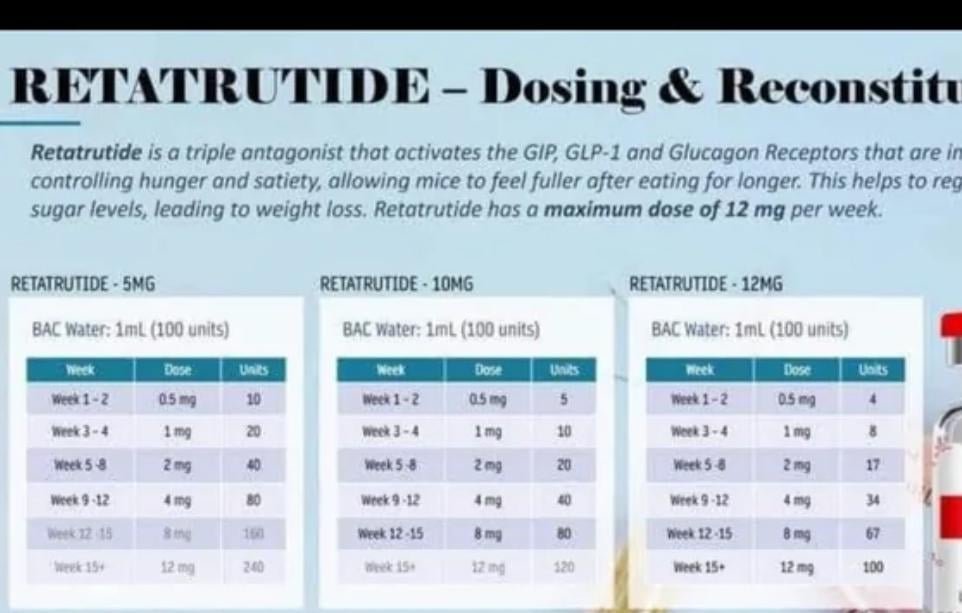
You should use 3 milliliters of bacteriostatic water for a 30mg vial to achieve a concentration of 10mg per milliliter. How Much Bac Water To Reconstitute 30Mg Retatrutide depends on your desired dosing volume, but this ratio makes calculations straightforward for most users.
Water needed to reconstitute your retatrutide
- Use 3ml of bacteriostatic water to get a 10mg/ml concentration.
- Use 1.5ml of bacteriostatic water to get a 20mg/ml concentration.
- Use 6ml of bacteriostatic water to get a 5mg/ml concentration.
- Always use a sterile syringe to measure the liquid accurately.
- Gently swirl the vial; never shake it to mix the contents.
- Check the vial label to confirm the total milligram amount.
Why Precise Ratios Matter
Reconstitution requires careful measurement because the final volume directly dictates how much substance is in each unit of liquid. If you use 3ml for a 30mg vial, every 0.1ml on your syringe contains 1mg of the substance. This simplifies your math and reduces the risk of errors when preparing doses. You must ensure you’re using genuine bacteriostatic water, which contains 0.9% benzyl alcohol to prevent bacterial growth. If you’re unsure about the total mass in your vial, stop and check the manufacturer’s documentation or the label before adding any fluid. Using the wrong amount of liquid changes the potency of your dose, which can lead to taking too much or too little during your scheduled administration.
Situations Requiring Adjustment
How to Prepare Your Solution
- Wipe the rubber stopper of the 30mg vial with a fresh alcohol pad and let it air dry for 30 seconds.
- Draw 3ml of bacteriostatic water into your syringe, ensuring there are no large air bubbles trapped inside the barrel of the syringe.
- Insert the needle into the vial at a 45-degree angle, pointing it toward the side wall to avoid bubbling the powder mixture.
- Slowly inject the water into the vial, letting it slide down the glass wall rather than hitting the powder directly with force.
- Remove the needle and let the vial sit undisturbed for two minutes until the powder dissolves completely into a clear liquid solution.
- Verify the solution is clear and contains no floating particles; if it looks cloudy or has clumps, don’t use the mixture.
Mistakes That Ruin The Solution
- Using tap or distilled water instead of bacteriostatic water introduces impurities that lead to rapid bacterial growth in the vial.
- Piercing the rubber stopper multiple times with the same needle dulls the tip and can cause rubber bits to enter.
- Storing the reconstituted vial in direct sunlight or heat breaks down the compound and significantly reduces its shelf life.
Can I use sterile water instead of bacteriostatic water?
No, you shouldn’t use sterile water because it lacks the preservative needed to prevent bacterial growth after the first use. Bacteriostatic water is necessary for multi-dose vials to keep the liquid safe for the duration of the vial’s lifespan.
How long does the solution last once mixed?
The solution typically lasts for 28 days when stored in a refrigerator at temperatures between 36°F and 46°F. Always check the specific storage instructions provided by your manufacturer, as some compounds have shorter stability windows once they’re mixed with water.
What happens if I see bubbles in the vial?
Bubbles are common, but you should avoid creating them by injecting the water slowly against the side of the glass. If bubbles form, let the vial sit upright for several minutes until they disappear before you attempt to draw any liquid out.
Is it safe to freeze the reconstituted solution?
No, you shouldn’t freeze the solution because the freezing process can degrade the structure of the peptide. Keep the vial in the refrigerator, but ensure it doesn’t touch the back wall of the fridge to prevent accidental freezing from cold spots.
Does the syringe size affect my measurement?
Yes, the syringe size affects your precision, so use a 1ml syringe for accurate dosing if you’re taking small amounts. Larger syringes make it difficult to measure tiny increments, which increases the likelihood of an incorrect dose.
What if the powder doesn’t dissolve?
If the powder doesn’t dissolve, gently roll the vial between your palms for 30 seconds rather than shaking it. If solid clumps remain after gentle rolling, let it sit in the refrigerator for one hour before checking it again for clarity.
If you’re new to this process, practice with an empty vial and plain water until you feel comfortable with the measurement and mixing steps. Always double-check your math before drawing the final dose to ensure you’re following the correct ratio for your specific needs.