
How Much For A Whole Hog: Pricing and Processing Costs
Last Updated on September 30, 2026
You can expect to pay between $300 and $600 for a whole hog depending on the hanging weight and local butcher fees. How Much For A Whole Hog is determined by a price per pound for the live animal, plus an additional flat fee for the professional slaughter and processing services.
The most important factor is the difference between “live weight” and “hanging weight.” Farmers usually sell based on the live weight, while butchers charge based on the weight of the carcass after the head, hide, and organs are removed. This hanging weight is typically 70% to 75% of the live weight.
A common mistake is forgetting to ask about the “cut and wrap” fees. If you don’t clarify if these are included in the price per pound, you might be surprised by a significant extra bill when you go to pick up your meat.
Processing Steps for Your Hog
- Contact a local livestock farmer to secure your animal and agree on a price per pound based on live weight.
- Schedule a date with a USDA-inspected facility to ensure your meat is processed according to FoodSafety.gov’s safe internal temperature guidelines for final preparation.
- Choose your custom cuts, such as how thick you want the chops or if you prefer the pork belly turned into bacon.
- Confirm the packaging method, as vacuum-sealed plastic lasts longer in the freezer than standard butcher paper.
- Pick up your boxed meat on the scheduled date, ensuring you have enough cooler space or freezer capacity to transport it safely.
Tip: Ask the butcher for the “offal” or organ meats if you want them, as some processors discard these by default if not requested.
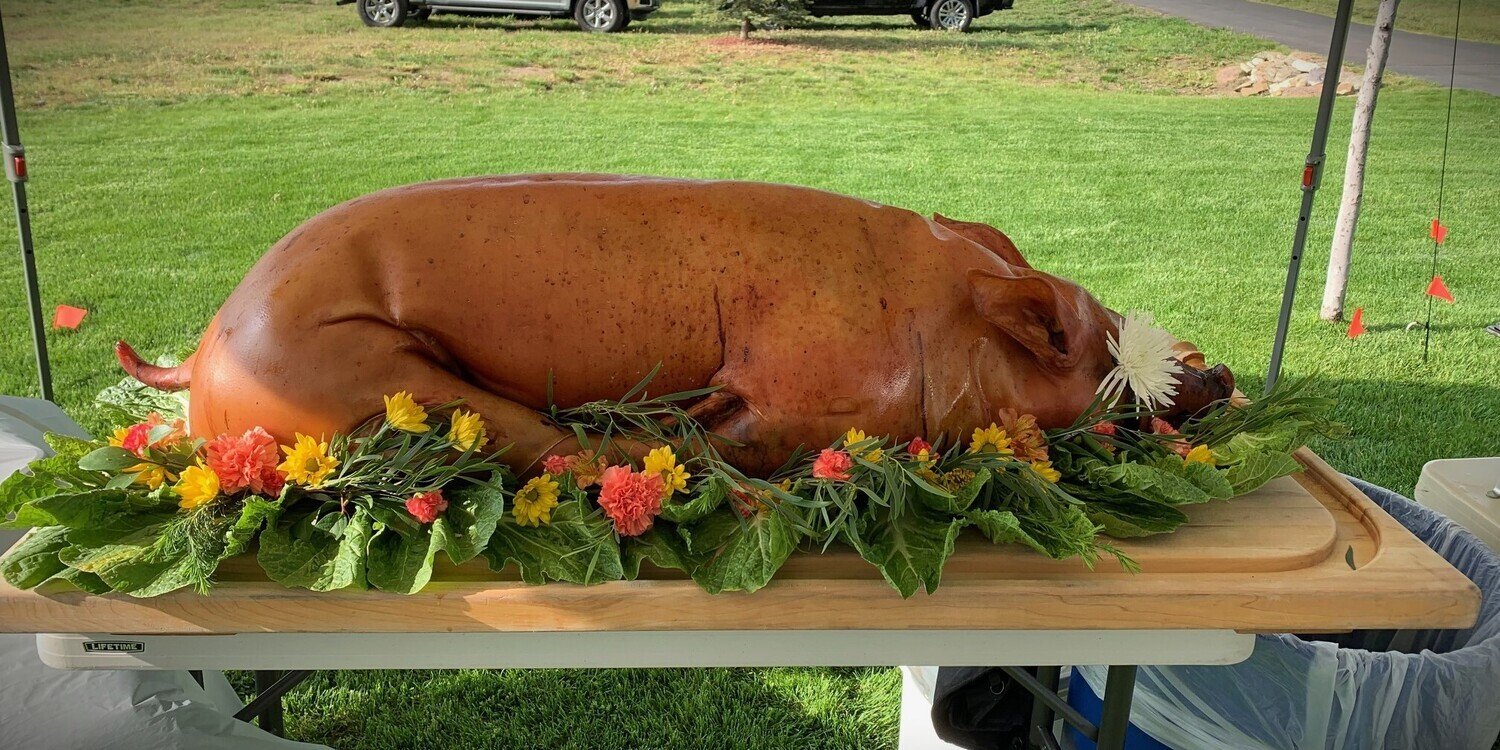
Tip: If you’re buying a pig for a large roast, tell the butcher you want it “whole” or “roaster style” so they leave the skin intact for crisping.
How Much For A Whole Hog: Ordering and Processing Timelines
Planning ahead is essential when buying an animal directly from a farm, as butcher slots often fill up months in advance.
| Situation | Timeframe | What changes it | What to watch for |
|---|---|---|---|
| Finding a farmer | 1–2 months | Seasonality | Availability of pasture-raised stock |
| Scheduling butcher | 3–6 months | Local demand | Peak holiday season demand |
| Hanging/Aging | 3–7 days | Carcass size | Proper temperature control |
| Final processing | 1–2 days | Specific custom cuts | Accuracy of your order sheet |
Judging Completion of Processing
You’ll know the process is finished when the butcher calls to confirm your order is ready for pickup. Inspect the boxes to ensure they’re cold to the touch and that all packages are tightly sealed without ice crystals inside, which indicate freezer burn. If you’re picking up a whole roaster pig for an event, check that the skin is intact and the carcass is chilled to below 40 degrees Fahrenheit before you transport it.
Common Errors During Purchase
- Ignoring the hanging weight percentage: Many buyers assume the live weight is the amount of meat they will take home, but you lose significant weight during initial cleaning and further weight during final butchery. Always ask the farmer for the expected hanging weight so you can estimate your final freezer yield accurately.
- Choosing the wrong butcher: Some facilities specialize in smoking and curing, while others focus on basic cuts. Ask the facility for a list of their capabilities before you drop off your animal to ensure you get the sausages or bacon you actually want.
- Underestimating freezer space: A whole hog produces roughly 100 to 150 pounds of meat, which requires at least five cubic feet of freezer space. Clear out your unit before pickup so you don’t have to scramble for storage at the last minute.
How much meat do you get from a whole hog?
You’ll typically receive 100 to 150 pounds of packaged meat from a 250-pound live hog. This yield varies based on the breed of the pig, the amount of fat trimmed during processing, and whether you choose to keep bone-in or boneless cuts.
Is it cheaper to buy a whole hog?
Yes, it’s often cheaper per pound than buying individual cuts at a grocery store, especially for premium items like bacon, chops, and roasts. You pay a bulk price that covers the entire animal, which lowers your average cost per pound across the whole carcass.
Can I process the hog myself?
Yes, you can process a hog yourself if you have the proper equipment and knowledge, but it’s physically demanding and requires strict sanitation. If you don’t have a clean facility and proper cooling equipment, you risk spoiling the meat or causing foodborne illness.
What happens if the butcher loses my order?
If the facility loses your order, they’re responsible for the lost value of the animal and the processing fees. Always keep a copy of your signed cut-sheet and the deposit receipt to prove what was agreed upon before the animal was slaughtered.
How long does the meat last in the freezer?
The meat will last six to twelve months in a standard chest freezer if it’s vacuum-sealed properly. Using high-quality freezer paper can also work, but vacuum sealing is the best way to prevent air exposure and maintain the quality of the pork over time.
Do I need a special permit to buy a whole hog?
No, you don’t need a special permit as an individual buyer, as the transaction is considered a private sale of livestock. However, ensure the butcher you choose is a state or federally inspected facility if you intend to resell any portion of the meat.
Buying a whole hog is a great way to fill your freezer with high-quality pork while supporting local agriculture. By communicating clearly with your farmer and butcher about your expectations and storage needs, you’ll avoid common pitfalls and enjoy a full year of home-cooked meals.
Related guides