
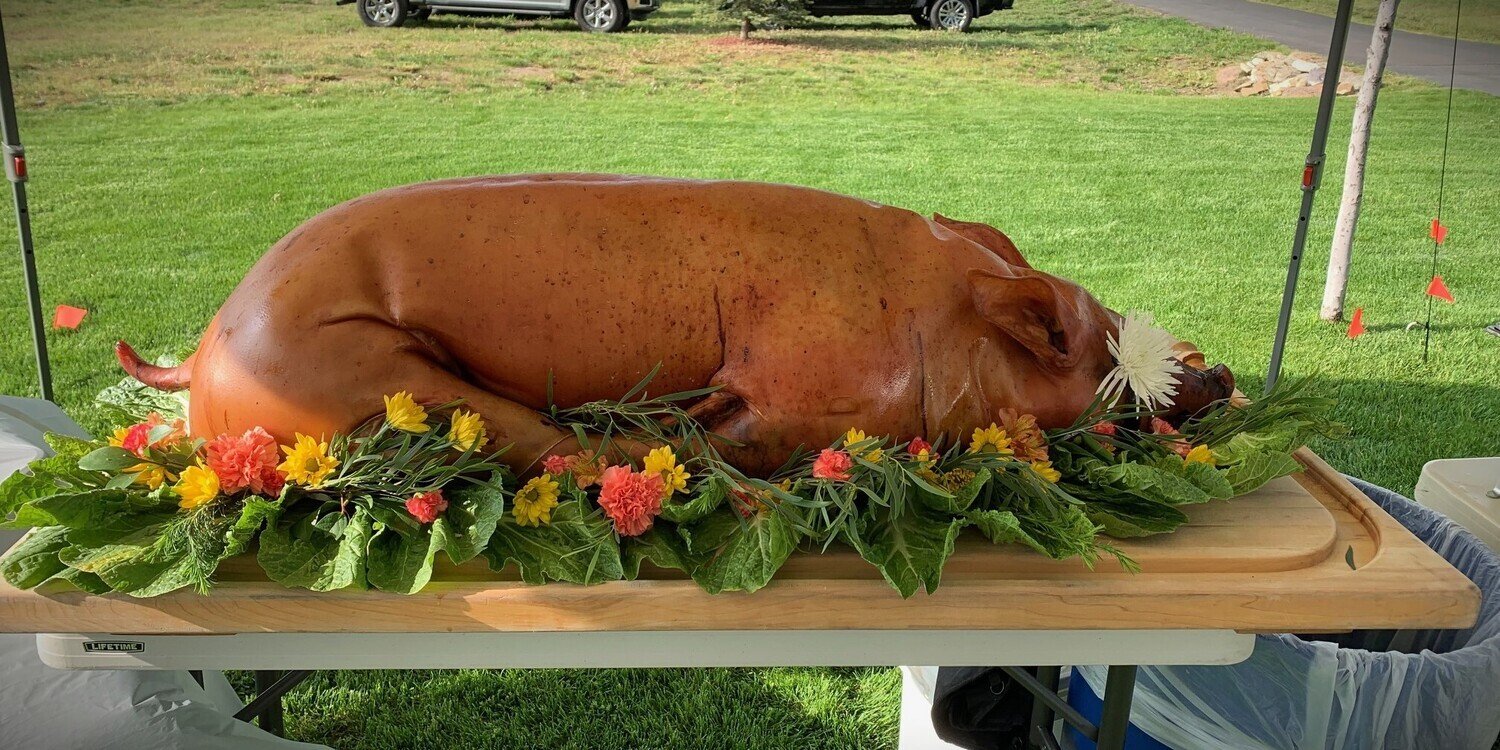
How Much Is A Whole Hog: Pricing and Processing Costs Explained
A whole hog typically costs between $300 and $600 depending on the weight and the local market price per pound. How much is a whole hog depends on the hanging weight of the animal and the specific processing fees charged by your local butcher.
How Much Is A Whole Hog: Buying for Your Freezer
- Expect to pay between $2.50 and $4.50 per pound of hanging weight for the animal itself.
- Ask the farmer for the live weight and the expected dressing percentage, which is usually around 72% of live weight.
- Budget an additional $100 to $200 for custom butchering, cutting, and vacuum-sealing services.
- Verify if the butcher charges a flat kill fee or if it’s included in the price per pound.
- Confirm the total weight of the final boxed meat, which is usually 65% to 75% of the hanging weight.
Why price varies by farmer and region
The cost of a whole hog is determined by the farmer’s production methods, the breed of the pig, and your geographic location. Farmers who use pasture-raised or heritage-breed pigs have higher feed and land costs than those using standard industrial methods, which creates a significant price gap. You should always ask if the price includes the “hanging weight” or the “final weight,” as these are different metrics. The hanging weight is the weight of the carcass after the head, hair, and internal organs are removed, but before the butcher cuts the meat into specific portions.
You can find official guidance on the safe handling and storage of these large quantities of meat by reviewing FoodSafety.gov’s cold food storage chart. This helps you understand how long your investment will remain safe in the freezer. Always check with your local butcher regarding their specific aging process, as longer aging can improve tenderness but may slightly increase the final price due to moisture loss.
Factors that change the final cost
| Situation | What changes | What to do instead |
|---|---|---|
| Organic feed | Higher production cost | Expect higher per-pound price |
| Heritage breeds | Rare animal supply | Budget for premium pricing |
| Specialty cuts | More labor time | Request standard cuts only |
| Home delivery | Logistics and transport | Pick up at farm |
| Small farm size | Lower volume scale |
How to manage your pork purchase
- Contact a local farm to confirm they sell by the whole or half hog and ask for their current price per pound of hanging weight.
- Reserve your pig in advance, as many small farms have a waiting list that can run three to six months during the spring and summer.
- Choose your butcher and provide a cut sheet, which lists how many chops, roasts, and pounds of ground pork you want from the carcass.
- Calculate your total cost by adding the farmer’s price for the hanging weight to the butcher’s flat fee for processing and packaging the meat.
- Pick up your frozen boxes from the butcher on the scheduled date, ensuring you have at least 8 to 10 cubic feet of freezer space ready.
- Label each package with the date and the cut of meat so you can rotate your inventory and use the oldest portions first.
Common mistakes that cost money
- Failing to account for the butcher’s processing fee, which adds hundreds of dollars to the initial price you pay the farmer.
- Ordering more meat than your freezer can hold, which forces you to buy additional appliances or risk meat spoilage.
- Choosing complex, labor-intensive cuts that increase the butcher’s hourly rate instead of sticking to standard roasts and chops.
- Not asking for the bones and fat, which means you pay for weight you don’t bring home or use for cooking.
Frequently asked questions
How much freezer space do I need for a whole hog?
You need about 4 to 6 cubic feet of freezer space for a standard whole hog. This allows enough room for the meat to freeze quickly without overcrowding, which prevents temperature fluctuations that could compromise the quality of the pork over time.
How long does a whole hog last in the freezer?
A whole hog lasts about 6 to 12 months in a standard freezer if kept at zero degrees Fahrenheit. You should check the packaging for any tears or air gaps, as freezer burn can affect the flavor after six months of storage.
Does the price include sausages and bacon?
The price usually covers basic cutting, but curing bacon and making sausages often cost extra per pound. You should ask your butcher for a detailed price list of “value-added” services before you submit your final cut sheet to avoid surprises.
Is it cheaper to buy a whole hog than grocery store meat?
Buying a whole hog is often cheaper per pound for high-quality, pasture-raised pork compared to organic options at the store. If you compare it to standard commodity pork, the initial investment is higher, but the overall cost per meal remains very competitive.
What happens if the butcher charges by the pound for processing?
If the butcher charges by the pound, clarify if they charge based on the hanging weight of the carcass or the final weight of the processed meat. This means the price is locked in before the fat and bones are removed, so ask if they charge on the hanging or finished weight.
Can I request specific thicknesses for my pork chops?
Yes, you can request specific thicknesses for chops and roasts on your cut sheet. Most butchers will cut them to your preference, such as one inch or one and a half inches, without any extra charge if you specify it during the initial consultation.
Whole Hog, in short
Buying a whole hog is a practical way to stock your kitchen with high-quality meat at a lower cost than buying individual cuts at the supermarket. By coordinating directly with a local farmer and a professional butcher, you ensure you get exactly the portions you need for your household. Always verify the total hanging weight and processing fees before you commit to the purchase to keep your budget on track.
Related guides