
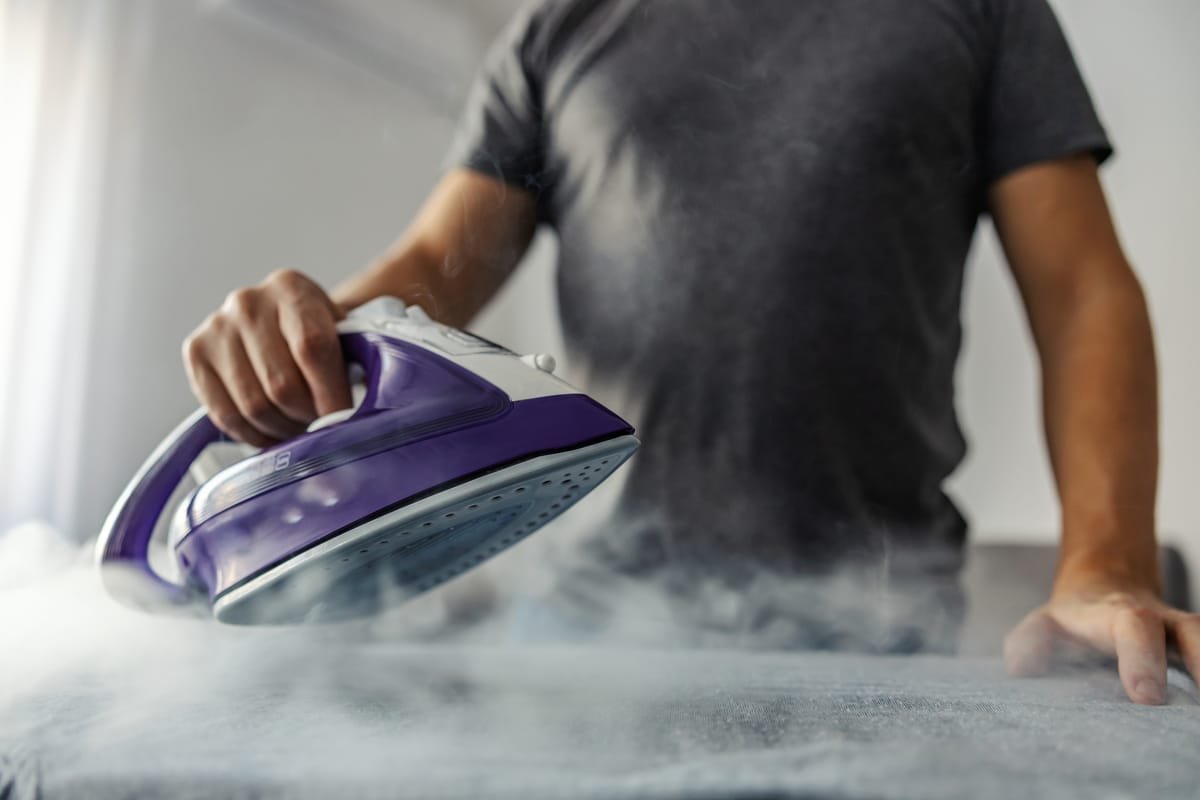
How To Get Creases Out Of New Curtains: 3 Easy Methods
Last Updated on September 26, 2026
You can remove wrinkles by hanging the fabric and using a handheld steamer or by misting the material with water and letting it air dry. How To Get Creases Out Of New Curtains is a task you can finish in under 30 minutes if you use the right heat setting. This process works best for people who have curtains made of polyester or cotton blends that are safe to hang while damp.
Tools to remove creases from your curtains
You need to gather a few specific items to ensure the fabric stays safe and the process goes quickly. Avoid using heavy irons directly on synthetic materials, as these can melt or leave permanent shiny marks.
- Handheld garment steamer with a water reservoir.
- Clean, lint-free microfiber cloth for light pressing.
- Distilled water to prevent mineral buildup inside your device.
- Step ladder or sturdy chair to reach the curtain rod.
- Fabric spray bottle filled with plain tap water.
- Clothes pins or heavy clips to hold the bottom edges.
If you lack a steamer, a spray bottle is a fine substitution, but it requires more patience for the fabric to dry naturally. For expensive silk or velvet, always consult the textile care symbols provided by the Federal Trade Commission to avoid permanent damage.
Removing wrinkles from your fabric
- Hang your curtains on the rod and allow them to drape naturally for 24 hours to let gravity pull out the major folds.
- Fill your steamer with distilled water and let it heat up for two minutes until it produces a steady flow of vapor.
- Hold the steamer nozzle about three inches away from the fabric to avoid soaking the material or causing water spots.
- Move the steamer in smooth, vertical motions from the top of the panel down to the hem.
- Use your free hand to gently pull the bottom of the curtain taut while you steam to help release stubborn creases.
- Mist the remaining light wrinkles with water from your spray bottle if the steamer doesn’t remove them after one pass.
- Attach heavy clips to the bottom hem for two hours if the fabric remains wavy after it dries.
Tip: Never press the steamer nozzle directly against the fabric, as this can cause steam burns or melt synthetic fibers. Careful: If your curtains are lined, steam the lining separately from the outer fabric to prevent the two layers from shrinking at different rates.
Impact of curtain materials
Different fabrics react to heat and moisture in unique ways. You should always test a small, hidden corner of the hem before working on the main panels.
| Material Type | Time Needed | Difference | What to Watch |
|---|---|---|---|
| Polyester | 10 Minutes | Resists heat well | Look for shiny spots |
| Cotton Blend | 15 Minutes | Absorbs moisture | Check for water stains |
| Linen | 20 Minutes | Holds heavy folds | Requires more steam |
| Velvet | 30 Minutes | Needs light touch | Avoid crushing the pile |
It’s always safer to start with a low amount of steam and add more as needed than to saturate the fabric on your first try.
Ensuring a professional finish
A successful result leaves your curtains hanging straight without any visible horizontal lines or bunching. A poor result often shows uneven water spots or “puckering” along the seams. This usually happens when the fabric gets too wet or you apply too much heat to a heat-sensitive backing. To prevent this, keep the steamer moving constantly and never leave it in one spot for more than two seconds. If the fabric feels stiff after steaming, you likely used too much heat; allow it to cool completely before adjusting it again.
Standards and maintenance
The primary rule for fabric care is to follow the manufacturer’s label for temperature settings. If you don’t follow the label, you risk shrinking the material, which is often irreversible. After you remove the creases, keep the area well-ventilated to ensure the fabric dries completely. This prevents mildew from forming in the folds. For curtains that require professional cleaning, consult a local dry cleaner who specializes in drapery services. Don’t attempt to wash curtains in a home machine unless the tag explicitly states it’s safe.
Alternative methods for drapes
Using a bathroom shower
Hang your curtains in the bathroom while you run a hot shower for 15 minutes. The humidity relaxes the fibers, allowing them to hang straight. Ensure the curtains don’t touch the wet shower walls.
Using a tumble dryer
Place the panels in a dryer on the lowest heat setting for 10 minutes with a damp towel. Remove them while they’re still slightly warm and hang them immediately to prevent new wrinkles.
Using a heavy book
Lay the wrinkled section flat on a table and place a heavy, clean book on top of the crease for one hour. This works well for small, localized wrinkles that don’t require full steaming.
Frequently asked questions
Can I iron my curtains instead of steaming them?
Yes, you can iron them, but you must use a low heat setting and place a thin cotton pressing cloth between the iron and the curtain to prevent burning or melting the fabric fibers.
How long does it take for curtains to dry after steaming?
They typically dry in 30 to 60 minutes depending on the room temperature and humidity level. Keep the area well-ventilated to ensure the fabric dries completely.
Is it safe to steam curtains that have a plastic lining?
No, you should never steam curtains with plastic or thermal linings because the heat will melt the backing material. Only use a cool, dry method or professional cleaning services for these specific types of window treatments.
What happens if I get water spots on the fabric?
Water spots usually disappear once the entire panel is lightly misted and allowed to dry evenly. If the spots persist, the fabric may have a finish that reacts to water, and you should stop steaming immediately.
How often should I steam my curtains?
You only need to steam them once when they’re new or after they have been stored for a long time. Regular dusting with a vacuum attachment is usually enough to maintain their appearance between deep cleanings.
Creases Out, in short
Once your curtains look smooth and crisp, take a moment to enjoy the refreshed feel of your room. If you notice any stubborn spots left behind, don’t worry; they’ll often relax on their own after a few days. You’ve done a great job, and your home’s new look is finally ready.