
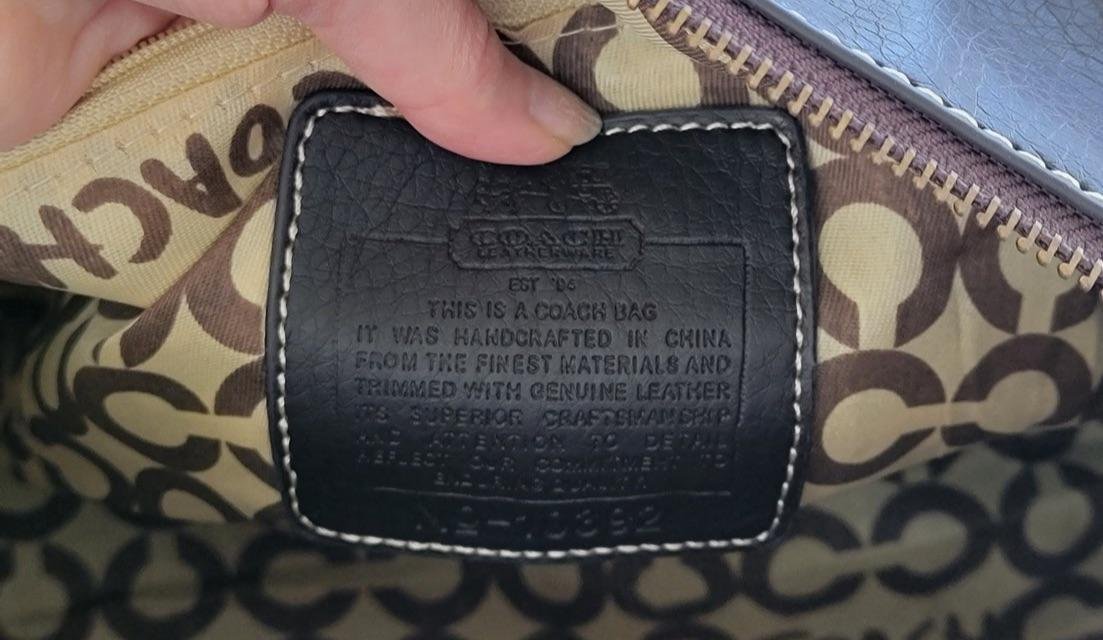
How To Know If Coach Bag Is Authentic Using Serial Numbers
Checking the serial number on the creed patch is the most reliable way to find out how to know if Coach bag is authentic. It’s safe to keep using your bag while you inspect it. You can verify the bag’s legitimacy by matching its unique registration code to its style.
Signs of a counterfeit handbag
You can identify a fake by inspecting the hardware, stitching, and interior tags. If the hardware feels light or plastic, it’s likely a replica. If you find a spelling error on the creed patch, it’s definitely a fake.
| What you notice | What it usually means | What to do first |
|---|---|---|
| Misspelled words on patch | Item is counterfeit | Stop using item |
| Plastic-feeling metal zippers | Low-quality materials | Check zipper brand |
| Uneven or loose stitching | Poor craftsmanship | Inspect all seams |
| Leather smells like glue | Cheap construction | Check inner lining |
| Serial number is missing | Bag is vintage or fake | Search style number |
| Leather feels like vinyl | Synthetic material used | Check material tag |
Inspecting the leather creed patch
The creed patch is a small rectangular leather piece sewn into the inside lining of most Coach bags. It features a paragraph of text and a unique serial number stamped into the leather. To check for authenticity, look for a serial number that contains a four-digit style number. If the number is missing or the text is printed rather than embossed, the bag is likely a reproduction. You can check the Coach official product care guide to understand the high-quality materials they use for their genuine leather goods. If the leather feels stiff or shows cracks immediately, it isn’t the high-grade material they use. A clear, deep stamp indicates a genuine item, while a faint or blurry stamp suggests a cheap knockoff.
Checking the hardware and stitching
Hardware quality often reveals a fake because counterfeiters save money by using plated plastic or low-grade alloys. Authentic Coach bags use heavy, solid brass or nickel-plated hardware that feels substantial in your hand. Check the metal zippers for the brand name, as they often use YKK or their own branded hardware. If you see visible glue residue around the seams, this is a sign of mass-produced fakes. Authentic bags feature precise, straight stitching that doesn’t skip or fray. If the stitching is inconsistent, it means the item wasn’t manufactured with the standard quality control protocols. Compare your bag’s weight against a known genuine item; if it feels significantly lighter, the materials are likely inferior.
Verifying the serial number format
The serial number format changed over the years, but it always follows a specific pattern. Most bags made after the mid-1990s include a code that starts with a letter, followed by a dash and four digits. If your bag has a long string of random numbers without a dash, it might be a very old model or a fake. If you’re confused, look for the style number on the bag and search for it on a search engine to see if the image matches your bag. If the style number returns a different bag design entirely, the serial number has been copied from a different model. This is a common mistake people make, assuming any number on a patch proves authenticity.
When to stop and get help
- The serial number is missing or looks freshly drawn with ink, as this indicates a deliberate attempt to deceive.
- The bag has a strong chemical or plastic smell, which suggests toxic materials are used in the manufacturing process.
- You find loose or sharp metal edges on the hardware, which can damage your clothing or skin.
- The bag was purchased from an unauthorized third-party site at a fraction of the retail price, as these are high-risk sources.
If you suspect the bag is a dangerous counterfeit, stop using it and contact a professional authenticator.
Can I trust an online authentication service?
Yes, you can trust a reputable professional service if they provide a detailed report including photos of the hardware and date codes. These experts have years of experience comparing specific details that are hard to spot.
Is it safe to buy a bag without a serial number?
No, it isn’t recommended because an missing or removed serial number often hides a fake item. Unless you’re buying from a trusted vintage seller, you should avoid bags that lack these identifying marks.
How do I know if the hardware is real brass?
You can test the hardware with a small magnet; genuine high-quality brass isn’t magnetic, so it won’t stick. If your magnet sticks to the hardware, it’s made of cheap iron or steel.
What happens if my bag has a spelling error?
It’s almost certainly a fake, as luxury brands maintain strict quality control to prevent such mistakes. Even a single missing letter or a slightly off-center logo is a red flag for a reproduction.
Does a dust bag prove the bag is real?
No, a dust bag doesn’t prove authenticity because counterfeiters often include fake packaging to trick buyers. Always ignore the packaging and focus your inspection entirely on the bag’s construction, stitching, and internal tags.
Is it normal for the lining to feel like plastic?
No, authentic bags typically use high-quality fabric or suede linings that feel soft and durable. If the lining feels like thin, crinkly plastic or cheap polyester, the item is likely a low-quality mass-produced fake.
Authenticating a luxury item requires patience and a sharp eye for small details. Always prioritize checking the hardware and the internal creed patch before making any assumptions about the bag’s history or value.
Coach Bag, in short
If you’re still feeling uncertain, don’t hesitate to take your bag to a local boutique for a professional opinion. The staff there can often spot the details that you might miss. It’s a great way to gain peace of mind so you can enjoy your beautiful accessory with total confidence.