
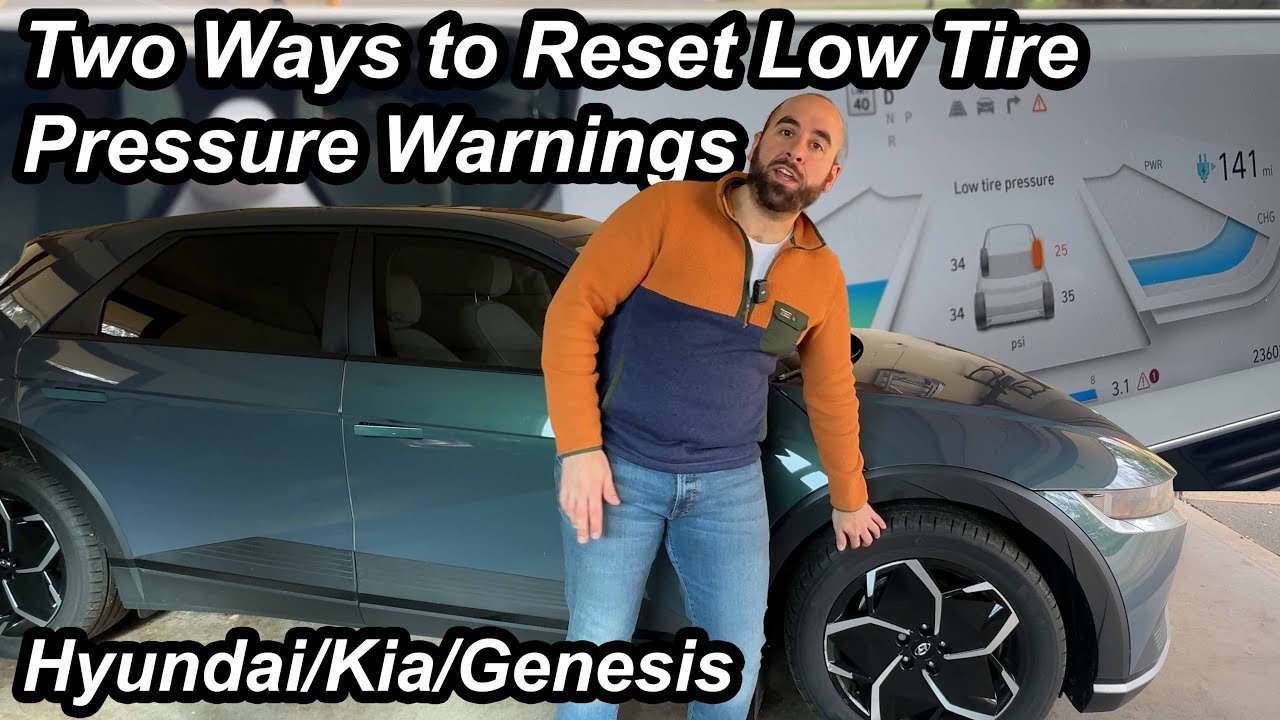
How To Reset Genesis Low Tire Air Pressure Light Automatically
Last Updated on October 17, 2026
You can successfully How To Reset Genesis Low Tire Air Pressure Light by driving your vehicle for several miles at a speed above 20 mph, which allows the sensors to detect the corrected tire pressure and update the dashboard display automatically without the need for manual button presses or diagnostic tools.
The primary factor determining whether this process succeeds is the actual tire pressure. The system won’t clear the warning light if the tires remain underinflated, even if you drive for a long distance. The most common mistake people make is ignoring the recommended pressure levels found on the driver’s side door jamb sticker. If your tires are cold, they will naturally show a lower reading, so you must always inflate them to the specific PSI listed by the manufacturer before driving.
Resetting your Genesis tire pressure sensors
- Check the recommended tire pressure for your specific model on the sticker located on the driver’s side door pillar.
- Inflate all four tires to the exact PSI specified on that label using an accurate gauge.
- Drive the vehicle continuously for at least 15 to 20 minutes at speeds consistently above 20 mph to trigger the Genesis vehicle tire pressure monitoring sensor recognition.
- Observe the instrument cluster as the system recalibrates and turns off the warning light once it detects the correct pressure across all sensors. Tip: If the light stays on, stop the car and verify the pressure again, as a slow leak in one tire will prevent the system from resetting.
- Visit a professional technician if the light flashes or stays illuminated after 30 miles of driving, as this often indicates a failed sensor battery or a damaged unit that requires replacement. Tip: Never ignore a flashing light, as it signals a system fault rather than a simple pressure issue.
Expected Reset Timeframes
The time required for the light to turn off depends on how quickly the onboard computer receives data from the wheel-mounted sensors.
| Situation | How long | What changes it | What to watch for |
|---|---|---|---|
| Standard driving | 5–15 minutes | Traffic conditions | Steady speed |
| Highway driving | 2–5 minutes | Consistent velocity | No stop-and-go |
| Stop-and-go traffic | 20+ minutes | Frequent braking | Signal interruptions |
If the light remains active after 30 minutes of driving, your tires likely have a puncture or the sensor itself has reached the end of its typical lifespan.
Confirming System Status
You know the system has successfully reset when the warning icon on your dashboard disappears and the tire pressure menu shows normal values for all four wheels. If the light remains, use a handheld tire pressure gauge to double-check each tire manually. If the gauge shows the correct PSI but the light is still on, the system is likely suffering from a communication error. In this case, you should consult your local dealer or a qualified mechanic. They have the diagnostic tools to read specific error codes, which is the only way to determine if a sensor is physically broken or just failing to transmit a signal.
Common Reset Errors
- Inflating to the wrong pressure: Many people inflate tires based on the maximum PSI printed on the tire sidewall, which often exceeds the vehicle’s actual requirement. Always use the door jamb placard to ensure the system recognizes the pressure as “correct” rather than “over-inflated.”
- Driving too slowly: The sensors require vehicle movement to transmit data; if you stay below a certain speed, the system may take longer to update the dashboard display.
- Replacing sensors without pairing: Installing new aftermarket sensors without proper programming prevents the car from communicating with them. Always ensure new parts are compatible and registered to your specific vehicle’s VIN by a professional.
Is it safe to drive with the tire pressure light on?
No, you shouldn’t drive long distances with the light on because it indicates at least one tire is significantly underinflated, which affects your car’s handling and braking. Check your pressure immediately at the nearest service station to avoid permanent tire damage or a potential blowout.
Can I reset the light by disconnecting the battery?
No, disconnecting the battery won’t reset the tire pressure light, as it’s controlled by a specific module that stores data independently. This action often causes other electronic systems to lose their settings and may trigger new warning lights on your dashboard that require a professional scan tool to clear.
Why does the light come on when the weather gets cold?
The light activates because air pressure naturally drops as the outside temperature decreases. For every 10-degree Fahrenheit drop in temperature, tire pressure typically falls by about one PSI, which can be enough to trigger the sensor if your tires were already near the minimum threshold.
Do I need to visit a dealer to reset the light?
No, you don’t need a dealer if your tires are properly inflated and the sensors are functional. Driving the car as instructed will force the system to perform a self-reset, assuming the hardware is in good working order and the tires are set to the correct pressure.
What happens if I ignore the warning light?
Ignoring the light leads to uneven tire wear, reduced fuel efficiency, and a higher risk of tire failure. Over time, running a tire underinflated can heat up the sidewalls, which causes structural damage that makes the tire unsafe even if you add air later.
How often should I check my tire pressure?
You should check your tire pressure at least once a month, regardless of what the warning light shows. Relying solely on the light is risky because it usually only triggers when the pressure is already well below the safe operating limit for your vehicle.
Maintaining the correct pressure is the best way to ensure your vehicle handles safely and your tires last as long as possible. Always keep a reliable pressure gauge in your glove box so you can verify your tires whenever the weather changes or before you head out on a long trip.