
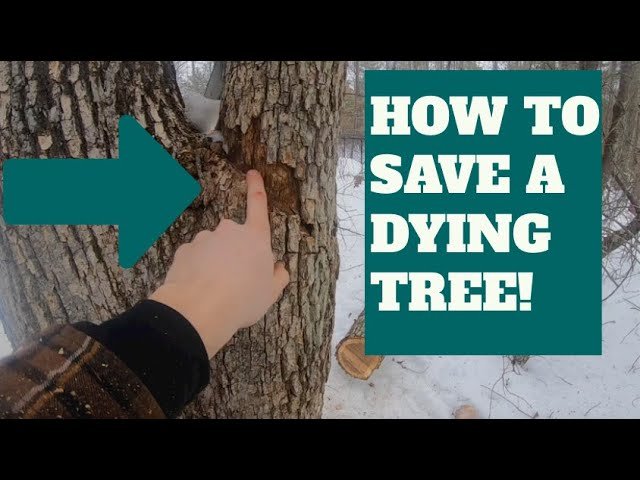
How To Revive A Dying Tree: Proven Hydration and Soil Fixes
Last Updated on September 28, 2026
You can successfully perform the task of how to revive a dying tree by restoring deep hydration to the root zone and correcting soil nutrient imbalances. Most trees fail because of long-term water stress or soil compaction that prevents oxygen from reaching the roots, causing the canopy to thin.
Identify why your tree is dying
Trees often struggle when their environment changes, such as during extreme heat or after soil disturbance. The most common cause is improper watering, where the surface looks wet but the deep roots remain dry. Another major cause is soil compaction; when the earth is too tight, roots can’t breathe or grow. If a tree has been damaged by pests or disease, it may show yellowing leaves or brittle branches. You should check the University of Maryland Extension guide to identify specific signs of decline, as certain fungal infections require professional treatment rather than DIY care.
Deep soak the root zone
To help a thirsty tree, you must deliver water slowly so it reaches the deep feeder roots. Use a garden hose at a low trickle placed near the drip line—the area directly under the outer edge of the branches. Let the water run for 45 to 60 minutes. This method ensures the moisture penetrates the soil six to twelve inches deep. If the ground is sloped, move the hose every 15 minutes to prevent runoff. This isn’t for trees that show signs of root rot, such as soft, mushy bark at the base, as adding water will accelerate the decay.
Improve the soil aeration
Compacted soil chokes roots by squeezing out air pockets. You can fix this by using a pitchfork to gently poke holes around the drip line, spaced six inches apart. Push the fork four inches into the ground and rock it back and forth to create small openings. This allows air and water to reach the root system. If the tree is in a lawn, be careful not to damage underground utility lines. This fix is best for trees in high-traffic areas where the ground has been stepped on repeatedly. If the tree is large, you should contact a certified arborist to perform professional aeration.
Apply organic mulch correctly
Adding a layer of organic mulch helps the soil hold water and keeps roots cool during hot months. Spread a two-inch layer of wood chips or shredded bark in a wide circle around the tree. Keep the mulch at least six inches away from the trunk itself. This creates a buffer that prevents rot and pest issues. A common mistake is piling mulch against the bark, which traps moisture and invites decay. If you see the bark becoming dark or soft, pull the mulch back immediately. This simple change allows the tree to recover without the stress of competing with grass or weeds.
What not to do
- Don’t prune away all dead branches at once, as this removes the tree’s energy reserves and adds more stress.
- Avoid using chemical fertilizers on a stressed tree, because forcing growth before the roots are healthy can kill it.
- Don’t dig deep trenches near the trunk, as this cuts primary support roots and destabilizes the tree.
- Avoid over-watering, which is just as dangerous as drought, so check that the soil is dry an inch down before adding more water.
Preventing future tree stress
You can keep your landscape healthy by adjusting your maintenance based on the specific needs of your trees. Monitoring the soil moisture regularly prevents the most common causes of decline.
| If you’re doing this | Do this instead | Why |
|---|---|---|
| Watering daily for 5 minutes | Watering weekly for 1 hour | Deep soaking builds stronger roots |
| Piling mulch against the trunk | Leaving a 6-inch gap | Prevents bark rot and pest entry |
| Using high-nitrogen feed | Adding organic compost | Compost improves soil structure slowly |
| Ignoring yellowing leaves | Checking for pests early | Early detection stops major damage |
Frequently asked questions
Can I save a tree with no leaves?
Yes, you can save a tree with no leaves if the twigs are still flexible and green when scratched. If the branches are brittle and snap easily, or if the inner wood is brown and dry, the tree has likely died and can’t be revived.
How long does it take for a tree to recover?
Recovery takes one to three growing seasons depending on the severity of the damage. A tree needs time to grow new roots and repair its vascular system, so keep the watering schedule consistent throughout the first year to support this slow healing process.
Is it safe to fertilize a dying tree?
No, it isn’t safe to fertilize a tree that’s already stressed. Fertilizing encourages rapid leaf growth, which forces the tree to use stored energy it doesn’t have, often leading to total system failure instead of the intended recovery.
How much water does a dying tree need?
A tree needs enough water to keep the soil moist but not soggy, typically ten gallons for every inch of trunk diameter once a week. Use a bucket or a slow-drip hose to measure this amount accurately during the dry summer months.
Why is my tree dying suddenly?
A tree dying suddenly is often due to a major root issue, a severe pest infestation, or a sudden change in the water table. Check the base for physical damage or signs of insects; if none are found, consult an arborist to test the soil.
Revive Dying, in short
Reviving a tree is a patient process that relies on consistent care rather than quick fixes. By focusing on deep hydration and soil health, you give the tree the best chance to regain its strength and return to a healthy, vibrant state.
Related guides