
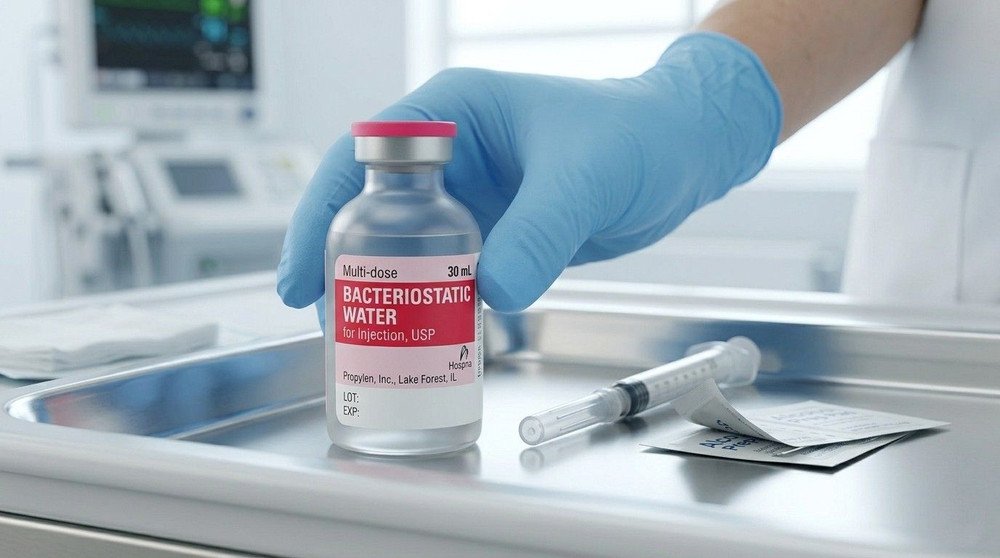
How To Store Bac Water After Opening: A 28-Day Safety Guide
You should keep bacteriostatic water in a cool, dark place away from direct sunlight, and you can How To Store Bac Water After Opening for up to 28 days if you maintain strict sterility. If you keep it longer, the risk of bacterial growth increases significantly.
How to store water after opening
Consequences of improper handling
Leaving your vial open or using a contaminated needle changes the chemistry of the solution. This reduces its ability to stop bacteria from multiplying inside the container. After a few weeks, if the vial isn’t kept in a controlled environment, the risk of microbial contamination rises.
If you ignore the 28-day limit, you risk injecting a solution that’s no longer sterile. Most manufacturers state that once the seal is broken, the product is exposed to air and potential pathogens. According to USP General Chapter <797>, maintaining sterility depends on proper aseptic technique and environmental control. If you notice any change in color or floating particles, you must discard the vial immediately. Using old water is a common mistake that costs you the safety of your supplies, as the cost of a new vial is far lower than the risk of an injection site infection.
Signs your supply is compromised
- Cloudy appearance, which indicates potential bacterial or fungal growth.
- Visible particles floating, meaning the solution is no longer clear.
- Discoloration, suggesting the chemical balance has shifted or degraded.
- Punctured seal left exposed, which allows airborne contaminants to enter.
- Strange odor when drawing, which is a clear sign of contamination.
- Passed the 28-day mark, as the preservative is no longer reliable.
Requirements for each session
Every time you access your bacteriostatic water, you need a clean, flat surface, a fresh alcohol swab, and a sterile syringe. The process takes only a few minutes and requires nothing beyond these basic items. You must wipe the rubber stopper with an alcohol pad for at least 15 seconds before inserting any needle. This simple step removes surface bacteria that could otherwise be pushed into the vial. If you’re unsure about your specific brand’s storage needs, check the insert included in the box for the manufacturer’s official temperature range.
Habits to extend your supply
- Label the vial with the date of first use so you know exactly when the 28-day window ends.
- Store the vial in a dedicated, clean container to prevent accidental knocks or exposure to debris.
- Keep the vial in a dark cupboard or drawer to protect the liquid from light-induced degradation.
- Wash your hands thoroughly before handling the vial to minimize the transfer of oils and bacteria.
Frequently asked questions
Can I store it in the refrigerator?
Yes, you can store it in the refrigerator to keep it cool, but it isn’t strictly required. Most manufacturers recommend room temperature between 20°C and 25°C. Check your specific label, as some brands prefer stable room temperature over the humidity of a fridge.
Is it safe to use after 28 days?
No, it isn’t safe to use after 28 days because the benzyl alcohol preservative loses its effectiveness. Once that window passes, the risk of bacterial growth becomes too high for safe use. Always discard any remaining water and start with a fresh, sealed vial.
Does it matter if I leave the needle in the stopper?
Yes, it matters because leaving a needle in the stopper creates a direct path for air and bacteria to enter the vial. Always remove the needle and syringe immediately after drawing your dose. This keeps the internal environment sealed and protects the sterility of the remaining water.
What happens if I accidentally touch the rubber stopper?
If you touch the rubber stopper, you must clean it again with a fresh alcohol swab before use. Never assume it’s clean after contact with skin or surfaces. A thorough wipe for 15 seconds is necessary to maintain the safety of the contents inside the vial.
Does the temperature change the shelf life?
Keep your vial in a stable environment away from windows or heaters. If you notice the seal looks loose or damaged, stop using the vial and get a new one.
Can I mix it with other substances and store it?
No, you should never mix medications or substances inside the bacteriostatic water vial for storage. Mixing can change the pH or cause the ingredients to degrade rapidly. Only draw the water you need for the immediate task and keep the original vial pure until the end.
Taking the next step
Bac Water, in short
Always check the vial for a clear, transparent appearance before every use. If the water looks cloudy or has any floating material, don’t use it and dispose of it safely. If you experience any redness or swelling after an injection, contact a healthcare provider immediately for advice.