
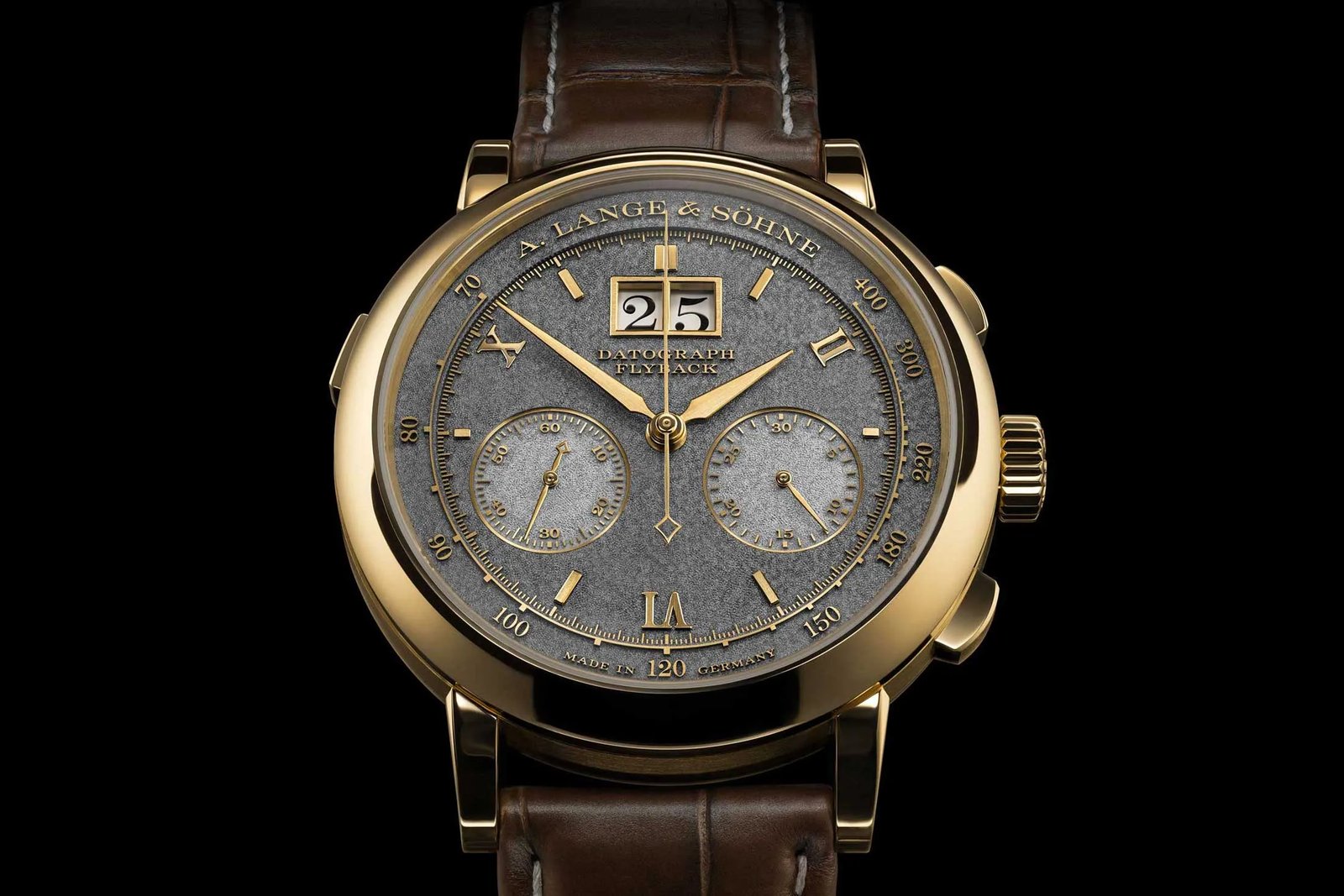
A. Lange & Söhne: Luxury Watch Brand from Germany
Last Updated on September 19, 2026
Recognized worldwide for high-end mechanical movements and precious metal cases, A. Lange & Söhne: Luxury Watch Brand from Germany stands alongside the best Swiss watchmakers in modern horology. Most models feature in-house mechanical calibers built with untreated German silver, hand-engraved balance cocks, and classic Glashütte three-quarter plates.
Defining the Lange luxury watch brand
Based in the town of Glashütte in Saxony, this watchmaker builds high-grade mechanical wristwatches using traditional German techniques rather than Swiss templates. It serves collectors who value complex mechanical design, hand finishing, and precious metals like gold or platinum. One widespread misconception is that the brand operates like a high-volume luxury house. It doesn’t.
The movement uses untreated German silver plates and bridges. Unlike brass coated in rhodium, this alloy contains copper, nickel, and zinc. It slowly develops a warm golden patina over time through normal air exposure. Skin oils and sweat permanently stain the metal.
Operating and Setting the Watch
Mechanical watches require gentle handling to avoid breaking delicate pinions, springs, or levers.
- Take the watch off your wrist completely so you don’t push the winding stem at a crooked angle.
- Turn the crown clockwise in position 0 between 20 and 30 times until you feel a firm resistance on manual-wind models.
- Pull the crown out to position 1 or 2, depending on whether your specific model includes a stop-seconds hacking feature.
- Advance the time forward past midnight until the date jumps, which tells you the movement is in AM mode.
- Move the hands past 6:00 AM before you push any calendar correction pushers.
- Press the outsize date corrector button on the side of the case with the soft wooden or plastic stylus supplied by the brand until the correct date appears.
- Push the winding crown fully back against the case to keep dust and moisture away from the movement.
Setting calendar complications between 8:00 PM and 2:00 AM can damage the internal gear teeth.
Key numbers and settings at a glance
Every model family inside the collection operates under specific mechanical conditions.
| Situation | What to use | How long | What to watch for |
|---|---|---|---|
| Manual winding from stopped | Crown in winding position | 20 to 30 smooth turns | A hard stop on manual springs |
| Setting the outsize date | Official pusher stylus | 1 press per date unit | Never set between 8 PM and 2 AM |
| Daily wear accuracy check | Reliable digital reference clock | Check over 7 consecutive days | Gain or loss over 5 seconds daily |
| Storing during inactivity | Dry watch box at room temperature | Up to 30 days without wind | Keep away from laptop magnets |
| Power reserve tracking | Up/Down (Auf/Ab) dial indicator | Check daily during morning wind | Red zone means wind right away |
What separates good results from bad ones
Preparation and Winding Routine
Taking the watch off before winding protects the internal stem from sideways pressure. Never force it past that stop point, or you risk snapping the mainspring.
Calendar and Magnetic Care
Experienced collectors never rush through setting calendar discs. Keep the watch away from cell phone cases, magnetic tablet covers, and audio speakers, because magnetized balance springs cause the movement to run fast by several minutes a day.
Common problems and quick fixes
Mechanical issues often come from simple operating errors rather than broken parts.
| What you notice | What it usually means | What to do first |
|---|---|---|
| Watch runs fast by 10+ minutes | Balance spring is magnetized | Test near a simple compass or visit a watchmaker for demagnetizing |
| Date disc stays half-turned | Pusher pressed during gear engagement | Advance the hands forward past 6:00 AM |
| Crown resists turning | Mainspring is already at maximum wind | Stop immediately; don’t force the crown |
| Hands stop when crown is pulled | Stop-seconds feature is active | Push crown fully back to restart seconds hand |
The Legal Standard for Glashütte Watches
To use the Glashütte name, watchmakers must follow strict local manufacturing rules. Under the German Federal Ministry of Justice Glashütte Regulation, at least 50 percent of the value added during movement production must take place directly in the Glashütte area. This rule prevents brands from importing external movements and boxing them locally.
A. Lange & Söhne exceeds this rule by producing movements in-house and performing a complete double assembly on every caliber.
Keeping It Working Properly
Store the watch in a dry box away from temperature swings. According to the brand’s official care and maintenance guidelines, a complete overhaul is advisable every three to five years to refresh dried lubricants and replace case seals.
Seek immediate service if you notice a power reserve drop or water vapor under the crystal. Moisture tarnishes German silver plates and rusts steel balance wheels.
When to use a different approach
If you need a rugged timepiece for diving, high-impact sports, or rough manual labor, don’t choose a classic A. Lange & Söhne. The delicate escapements, polished gold cases, and exhibition sapphire backs aren’t built for heavy shocks or deep underwater use. If you need extreme shock resistance, pick a dedicated stainless steel tool watch from a maker like Sinn or a certified dive watch instead.
This brand is also not for buyers who want an affordable, low-upkeep daily quartz watch. The trade-off for handmade Saxon finish work is an ownership path that requires regular professional care and careful daily wear.
Frequently asked questions
Can you wear an A. Lange & Söhne in the shower?
No. Most models have limited water resistance meant only for light splashes. Hot shower steam also softens the rubber case gaskets quickly and lets moisture reach the movement, which ruins untreated German silver plates.
Why does A. Lange & Söhne assemble watches twice?
The double assembly guarantees perfect mechanical function and surface finishing. Watchmakers build the movement to test tolerances, then strip it down to finish parts before final casing.
What is German silver in watchmaking?
German silver is an alloy of copper, nickel, and zinc without any real silver. It provides high structural stability and develops a golden patina over years, but stains easily if touched by bare fingers.
Is an A. Lange & Söhne watch fully hand-made?
No watch is made entirely without machines today. The brand cuts components using CNC machines, then finishes, bevels, polishes, and engraves them by hand.
What happens if you wind a manual watch too much?
You’ll snap the mainspring hooked inside the spring barrel. Once you feel clear resistance on a manual-wind crown, the spring is full, and you must stop turning.
Final Thoughts
Owning one of these timepieces is about more than just tracking the hours; it’s an investment in centuries of meticulous craftsmanship. If you’re ready to start your own collection, visit an authorized boutique to see the intricate details in person. You’ll quickly understand why these watches remain truly timeless treasures.