
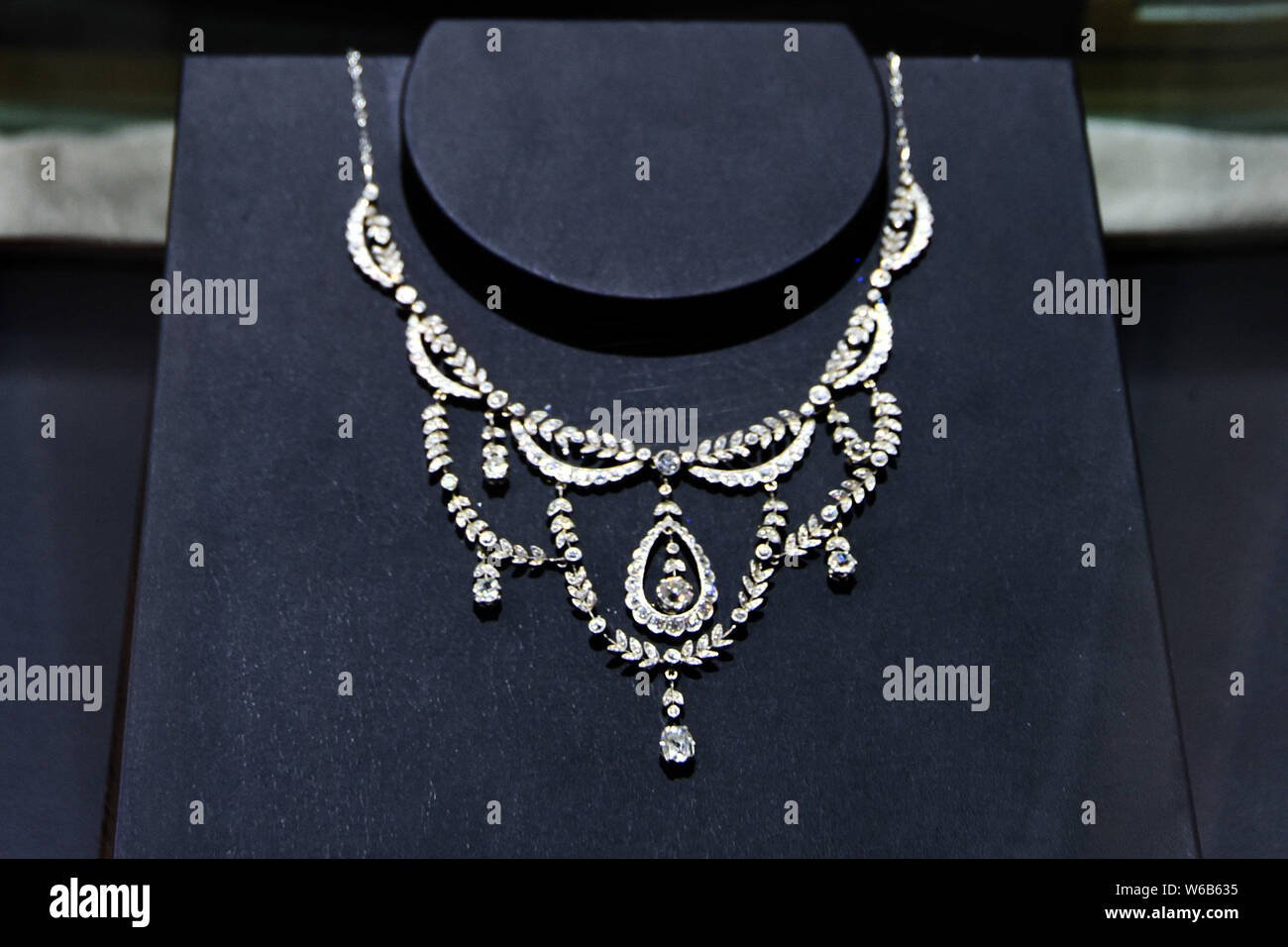
Asprey: Luxury Jewelry Brand from the United Kingdom
Last Updated on September 19, 2026
Asprey is a British heritage house founded in 1781, known for fine jewelry, bespoke silver, and royal commissions. The company earned its first Royal Warrant from Queen Victoria in 1862 and holds a central place on London’s Bond Street. This guide covers hallmark verification and care rules for genuine items.
Asprey luxury jewelry craftsmanship
Asprey began as a luxury goods firm in Surrey before relocating to New Bond Street in London.
A common misconception is that all vintage pieces sold under this name come from independent artisan workshops. In reality, the brand built its reputation by maintaining in-house master workshops above its London flagship while partnering with select British silversmiths under strict quality agreements. British trade rules require precious metal hallmarks. This ensures every piece reflects an audited purity level.
The basic method
Authenticating an estate piece requires examining physical markings and stone settings.
- Clean the surface using 1 soft microfiber cloth to remove oils, working across the surface for 30 to 45 seconds.
- Position a 10x magnification jeweler’s loupe 1 inch from your eye, bringing the item toward the lens until the surface sharpens.
- Locate the sponsor mark showing the registered maker initials inside the shank or on the base rim.
- Check the standard mark to confirm fineness, such as 925 for sterling silver or 750 for 18-karat gold.
- Identify the assay office symbol, such as the leopard head for London or the anchor for Birmingham, by comparing it to the official London Assay Office hallmarking guide.
- Read the date letter stamp to establish the exact year of manufacture according to the assay cycle tables.
- Inspect the stone settings with 10x magnification, checking that each prong makes firm contact with the gemstone crown.
The single judgement call that separates a good assessment from a bad one is knowing whether surface wear is natural antique patina or base-metal plating failure.
Key numbers and settings at a glance
Metal purity standards and inspection limits define how pieces are documented and maintained.
| Situation | What to use | How long | What to watch for |
|---|---|---|---|
| Modern 18k gold fine jewelry | 10x magnification triplet loupe | 30 to 60 seconds per stamp | The 750 millesimal fineness stamp |
| Antique sterling silver tableware | Treated cotton polishing cloth | 2 to 3 minutes per item | Soft cloth blackening without abrasive wear |
| Diamond cluster prong checks | 0.5 mm brass inspection probe | 10 to 15 seconds per stone | Any loose rattle or gap under the girdle |
| Emerald cocktail ring cleaning | Lukewarm distilled water with 1 drop neutral soap | 1 to 2 minutes light soak | Oil loss or fracture clouding from hot water |
| Platinum mounting assessment | 10x loupe under balanced white light | 1 minute overall scan | The 950 fineness mark and gray surface patina |
| Leather jewelry box maintenance | pH-neutral leather conditioning cream | 5 minutes drying time | Darkening along dry-split corners |
What separates good results from bad ones
Preparation and hallmark sequencing
Experienced collectors examine markings in a strict order: sponsor mark first, metal fineness second, and assay office third.
Structural checks versus surface wear
Partway through an inspection, check the tension of clasps and stone prongs before worrying about minor metal scratches. Leave the natural dark tarnish in low-relief engraving alone, as removing it ruins the depth and historic character of the engraving.
Common problems and quick fixes
Wear and storage mistakes cause specific, recognizable issues on precious metals.
| What you notice | What it usually means | What to do first |
|---|---|---|
| Dark tarnish on silver items | Natural reaction to airborne sulfur | Wipe gently with a dry, treated silver cloth |
| Cloudy appearance behind diamonds | Built-up soap, lotion, or skin oils | Brush the back with a soft baby toothbrush and warm water |
| Green tint on skin under a ring | Base metal exposure from worn plating or copper alloys | Stop wearing and verify metal purity marks |
| Stiff hinge on compact or box | Dust or dried oils trapped in the joint | Clean the seam with dry compressed air at 20 PSI |
| Ring band feels bent out of round | Heavy pressure applied to a soft, high-karat band | Take the piece to a bench jeweler for round mandrel reshaping |
Legal standards and assay requirements
UK precious metal sales are strictly regulated. The Hallmarking Act 1973 makes it illegal to describe an item as gold, silver, or platinum unless it carries an approved hallmark from an official assay office. Exemptions exist for items below specific weight thresholds.
Safe handling and proper storage
Store individual jewelry pieces inside fabric-lined compartments to prevent gemstones from scratching softer precious metals.
Check prong tension whenever a ring catches on fabric threads. Wipe sweat and cosmetic residue off metal items with a dry cloth immediately after wearing them, returning them to their original presentation boxes or anti-tarnish storage pouches.
When to use a different approach
This fine-jewelry preservation method is the wrong choice for heavily oxidized industrial metals, costume jewelry, or base-metal fashion accessories. Base-metal items often feature glued foil-backed stones or micro-thin electroplating. Applying fine-jewelry liquid cleaners or high-friction silver cloths to costume pieces strips the plating down to brass within seconds. For fashion jewelry, wipe surfaces exclusively with an untreated, dry microfiber cloth. If a piece contains porous organic gems such as natural pearls, coral, or turquoise, completely avoid warm soaks and ultrasonic cleaning tanks, which ruin natural organic lusters.
Frequently asked questions
Can you clean an antique silver box in an ultrasonic tank?
No, ultrasonic vibrations can shatter delicate enamel inlays, loosen decorative gemstone settings, and strip out historical factory oxidation. Clean antique silver boxes by hand using a treated cotton polishing cloth applied with light pressure.
Is Asprey jewelry made exclusively in the United Kingdom?
Most primary jewelry lines and bespoke silver commissions are manufactured in workshops across the United Kingdom. However, certain specialized product categories like timepieces, silk scarves, and leather travel goods are made by partner workshops in Switzerland and Italy.
Why does a silver mark show a leopard head?
The leopard head mark has served as London’s official town assay mark for centuries.
What happens if an older ring lacks modern hallmarks?
Older pieces manufactured before mandatory modern hallmarking laws or made overseas for private clients may lack standard stamps. In those situations, confirm the metal purity through non-destructive X-ray fluorescence testing at a certified gem laboratory.
How long does a silver anti-tarnish cloth last?
A treated silver cleaning cloth lasts for several years of regular home use until the fabric fibers become completely blackened with tarnish. Don’t wash the cloth in water, as laundering removes the active cleaning chemicals.
Final Thoughts
Owning a piece of this history is a special experience, but it’s important to keep your treasures in top condition. Whether you’re looking to pass a heirloom down or simply want to wear it daily, don’t hesitate to visit their boutique for a professional cleaning. They’ll ensure your investment sparkles for years.