
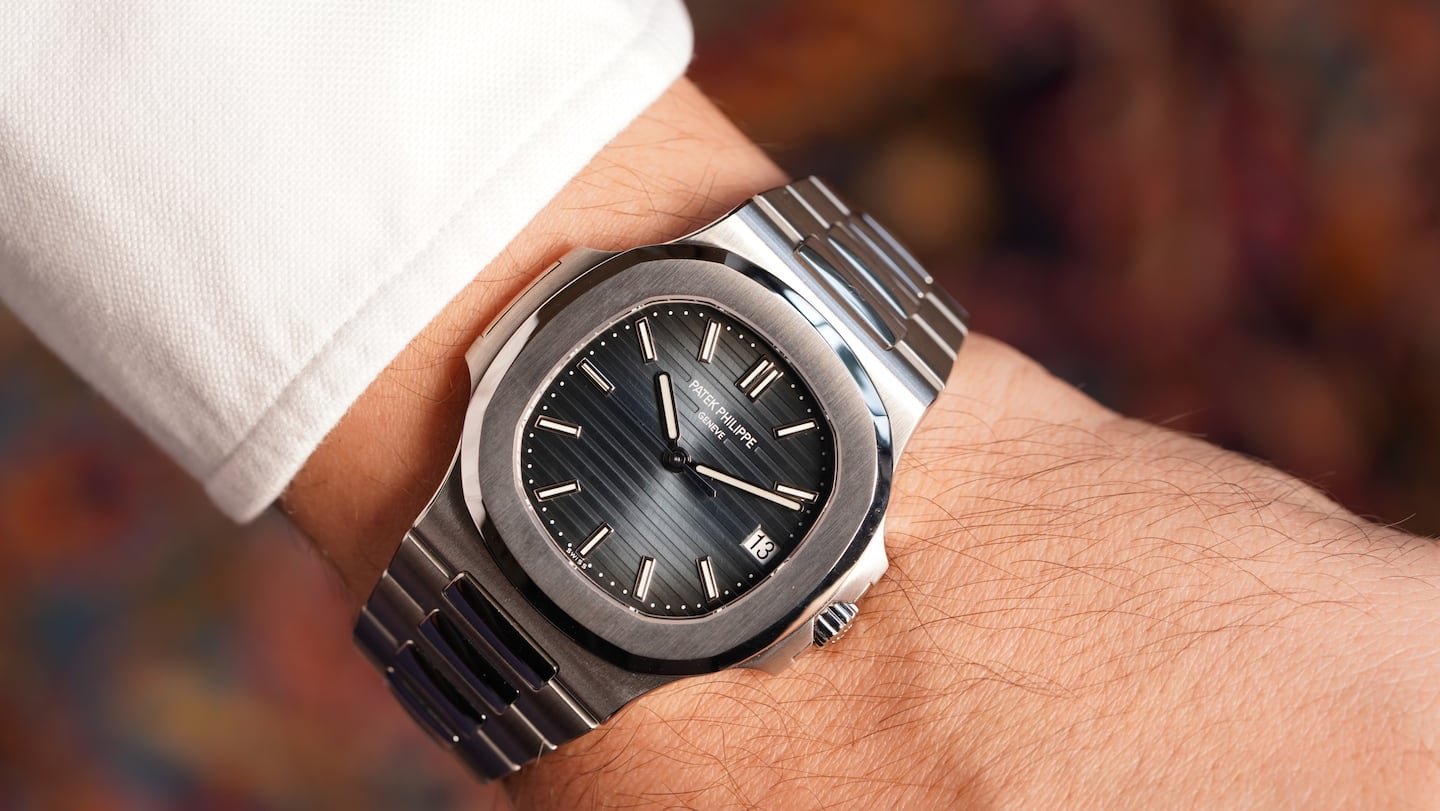
Patek Philippe: Luxury Watch Brand from Switzerland
Last Updated on September 19, 2026
Known worldwide for fine mechanical movements, Patek Philippe: Luxury Watch Brand from Switzerland builds wristwatches that run purely on coiled steel and gears without any battery. You wind the crown or move your arm to tighten a spring inside. That coiled strip pushes gear wheels forward. A tiny swinging wheel ticks back and forth to keep time steady. Hands on the dial turn smoothly, showing the passing hours and minutes.
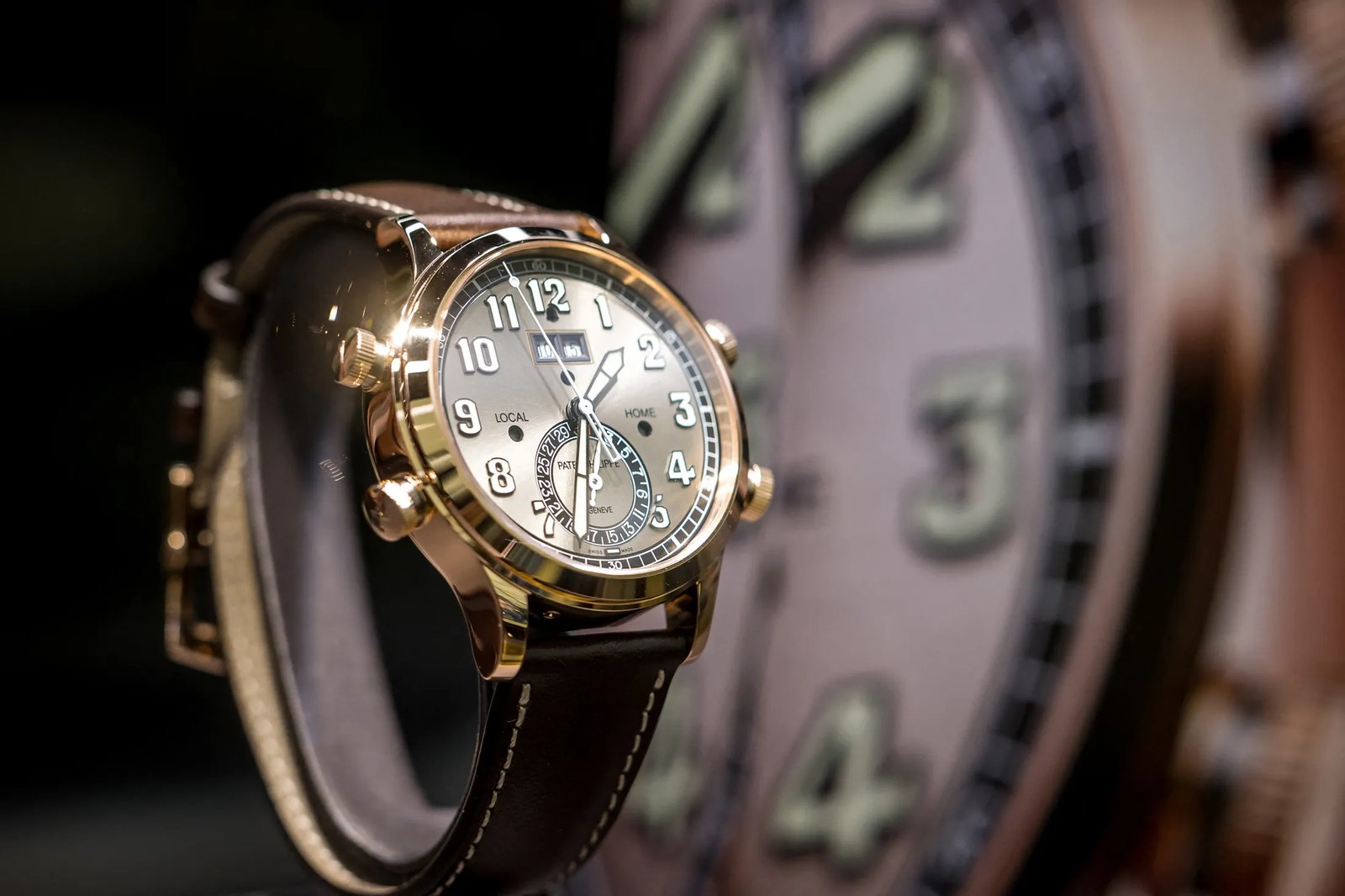
Inside the Patek Philippe watch movement
| Part or input | What it does | What you notice when it goes wrong |
|---|---|---|
| Mainspring | Stores power inside the barrel | Watch stops running completely |
| Winding rotor | Swings to wind automatic models | Power drains while wearing it |
| Gear train | Sends power across the movement | Hands freeze or stutter forward |
| Escapement | Releases tiny bursts of energy | Watch ticks much too fast |
| Balance wheel | Beats evenly to measure seconds | Watch loses or gains minutes |
| Crown | Sets hands and winds manual models | Time changes slip during winding |
What happens, step by step
- Turning the crown 20 to 30 times feeds physical energy directly into the movement, or natural wrist motion swings the weighted rotor inside an automatic watch.
- The winding wheels turn and tighten the coiled mainspring inside the main barrel, packing enough mechanical tension within a few seconds to run the watch for days.
- The compressed steel spring steadily unwinds over 35 to 45 hours, pushing the teeth of the barrel against the first gear of the train.
- The gear train reduces the speed of the mainspring’s unwinding to drive the escapement wheel at a controlled rate.
- The escapement lever locks and unlocks the escape wheel 5 to 8 times every second, giving off the classic ticking sound while releasing tiny amounts of energy.
- Each release gives a slight push to the balance wheel, which swings back and forth along its hairspring at a constant rhythm set by watchmakers.
- The steady back-and-forth swing drives the dial train forward continuously, moving the central second, minute, and hour hands smoothly across the watch face.
Why this matters when something goes wrong
Every mechanical watch depends on balanced friction and clean motion. Gaining five minutes a day indicates a magnetized balance spring. Magnetism sticks tiny hairspring coils together, which makes the swing path shorter and forces the watch to run far too fast. Overnight stops usually result from dried oil or a broken mainspring.
Mechanical watches have trade-offs. You gain heirloom longevity but lose quartz-level shock resistance. Setting the date between 8 PM and 3 AM can bend delicate wheels. If the hands are between 8 PM and 3 AM, roll the time past 3 AM before adjusting the date.
What you can change, and what you cannot
What you control
- Turning the crown clockwise 25 full turns to wind manual movements safely.
- Moving time hands forward to set hours and minutes cleanly.
- Storing the watch away from laptop speakers and magnetic handbag clasps.
- Checking screw-down crowns before coming anywhere near water.
What is fixed by design
- The daily power reserve limit, which ranges from 35 to 65 hours depending on your exact caliber.
- Factory water resistance depth ratings, which hold only while rubber gaskets remain soft.
- The balance wheel beat rate, set strictly by Geneva factory specifications.
This timepiece isn’t for someone who wants zero-maintenance gear, fitness tracking, or cheap rough-wear use. Opening the case back requires special tools; doing it at home strips the metal and voids factory coverage, so leave internal work to factory-trained watchmakers.
Getting more out of it
- Wind manual models at the same hour each morning by turning the crown smoothly until you feel firm resistance, which keeps power delivery uniform.
- Keep the case at least 4 inches away from mobile phones, tablets, and magnetic purse clasps, because common magnets easily distort the hairspring.
- Check the crown seal regularly: this varies by model — check the label and your manual, since water seals dry out over time.
- Store automatic pieces in a winding box set between 650 and 800 turns per day if you wish to keep the watch running and the calendar set.
- Set the date only when the hands are positioned outside of the 8 PM to 3 AM window.
Frequently asked questions

Can I wear my watch in the shower?
No. Hot water and soap can degrade rubber gaskets and reduce water resistance, so avoid wearing the watch in the shower. Keep the watch dry unless you’re wearing an active sports model like the Aquanaut, and never pull the crown in water.
Why did my automatic watch stop running?
It stopped because your wrist didn’t move enough to wind the mainspring. Automatic weights wind the watch while your arm moves. Turn the crown about 20 times by hand to rebuild tension, then wear it.
How long does the power reserve last?
Between 45 and 65 hours on a full wind, depending on the specific movement inside your watch. Check your paperwork to find the exact hours for your reference. If you take the watch off on Friday night, it will usually need winding again by Monday morning.
Is it safe to change the date at midnight?
No. The gears that drive the calendar wheel engage between 8 PM and 3 AM. Forcing a date change during those hours can snap gear teeth. Move the hands forward past 3 AM first before adjusting the date.
What happens if the watch gets magnetized?
The watch will run fast because the hairspring coils stick together. A watchmaker can fix this using a demagnetizing tool without opening the case.
Does it matter if I wind it backward?
No, it won’t break anything, but winding backward doesn’t add any power to the mainspring. The internal winding pinion simply clicks past the ratchet wheel teeth without grabbing them. Turn the crown forward toward the 12 o’clock marker to wind the spring properly.
Final Thoughts
Owning such a timepiece is more than just tracking the day; it’s about keeping a piece of history alive on your wrist. If you’re ready to start your collection, visit an authorized boutique to see these crafts in person. You’ll quickly understand why they’re cherished for generations to come.
Related guides