
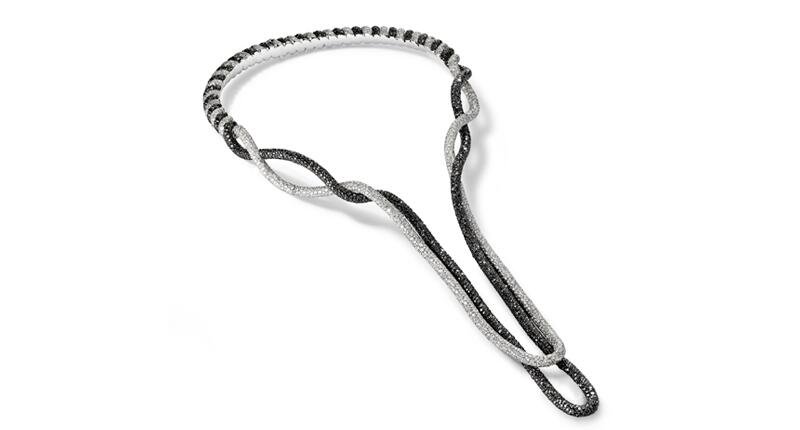
de Grisogono: Luxury Jewelry Brand from Switzerland
Last Updated on September 19, 2026
Founded in Geneva in 1993 by Fawaz Gruosi, de Grisogono: Luxury Jewelry Brand from Switzerland became famous for reviving black diamonds, bold volumes, and baroque high-jewelry timepieces. The house filed for bankruptcy in Switzerland in 2020 after financial investigations, and its brand assets were acquired by the Damac Group in 2022. This guide covers how collectors verify authentic pieces, the exact hallmarks used on Swiss precious metals, and how to preserve these delicate blackened-gold and diamond settings.
The de Grisogono luxury jewelry style
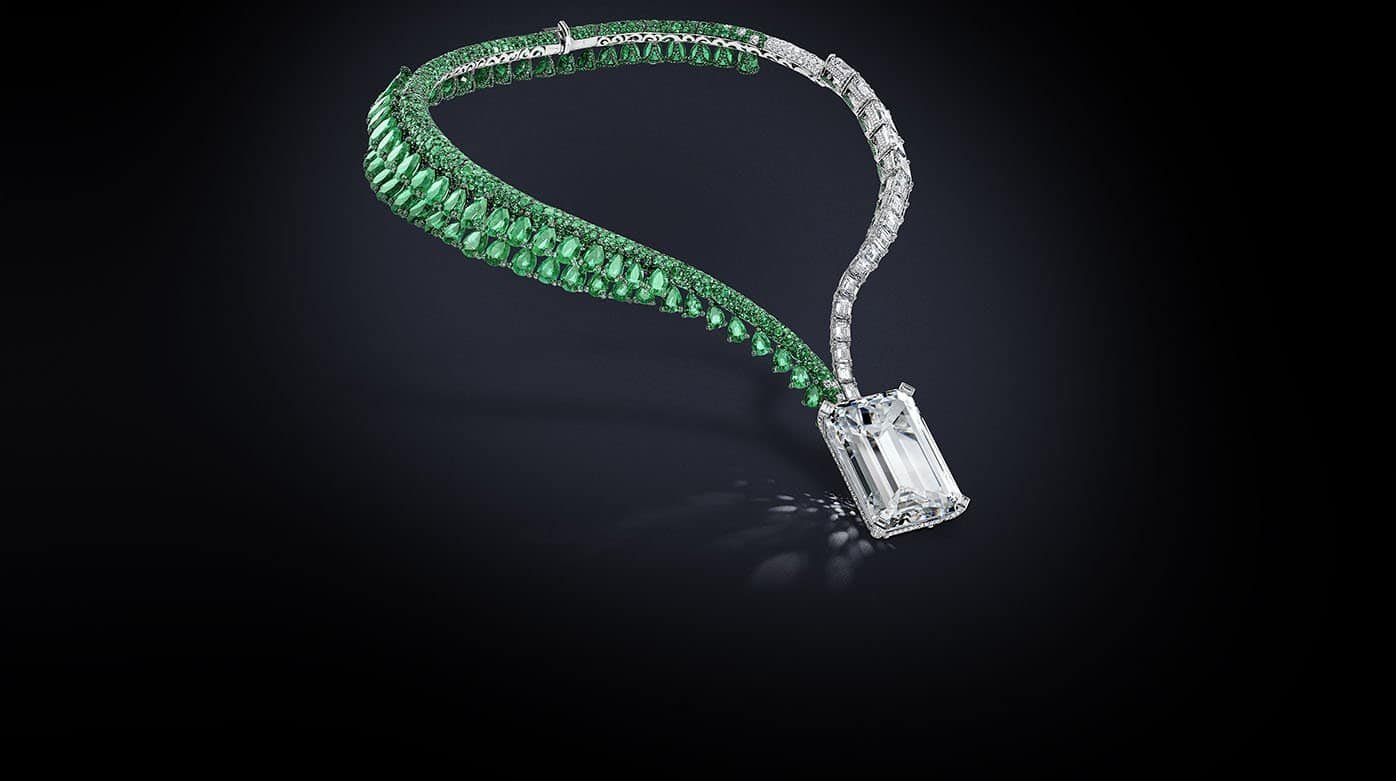
Fawaz Gruosi launched the company as a boutique on Rue du Rhône in Geneva, selling high-end objects and jewelry. Within a few years, the firm shifted entirely to jewelry design and watchmaking. The brand carved out a niche by using materials other traditional Place Vendôme houses avoided. Its central visual signature relied on heavily pavé-set black diamonds, contrasted with vibrant gemstones like emeralds, rubies, and icy white diamonds.
The house is for collectors who want bold, high-drama cocktail pieces rather than subtle everyday bands. Natural black diamonds are polycrystalline aggregates that absorb light, making them brittle and difficult to cut.
The Basic Method
Methodically verify estate pieces before purchasing.
- Inspect the metal surface with a 10x achromatic loupe to locate the Swiss federal precious metal control mark (the lady’s head for gold).
- Measure the primary stone settings under uniform white balance; genuine pavé work uses tiny, uniform beads of metal without gaps exceeding 0.1 millimeters.
- Check the base color of the gold; genuine blackened gold is treated with a dark rhodium or ruthenium electroplating bath, not painted or varnished.
- Weigh the piece on an analytical scale calibrated to 0.01 grams and match the weight against the physical certificate when paperwork exists.
- Examine the serial numbering engraved on the metal reverse; genuine stamps have laser-etched or punch depths of uniform clarity and alignment.
- Test every articulation point on flexible bracelets or ring shanks to ensure the internal pins move freely without catching or metal shavings.
If blackened rhodium is worn down to the underlying gold, re-plating requires stripping all stones, which risks cracking them.
Key Numbers and Settings at a Glance
Collectors must match the piece type with its specific physical care and handling parameters.
| Situation | What to use | How long | What to watch for |
|---|---|---|---|
| Routine cleaning for black diamond rings | Distilled lukewarm water with 2 drops of neutral soap | Soak for 3 to 5 minutes maximum | Stone loosening under loose prongs |
| Surface dust removal on intricate earrings | Natural camel-hair brush | Brush gently for 30 seconds per side | Bristles catching under thin claw prongs |
| Evaluating bracelet hinge tension | Non-magnetic brass calipers | Check gap distance across 4 hinge points | Play greater than 0.5 millimeters |
What Separates Good Results from Bad Ones
Preparation and Inspection Sequence
Experienced appraisers never begin with liquid cleansers. The metal reverse is mapped first, recording serial stamps, purity marks (750 for 18-karat gold), and the maker’s registered master stamp before handling delicate gem clusters.
Handling Blackened Metal Surfaces
The trade-off with the firm’s signature dark aesthetic is surface vulnerability. Experienced handlers never buff blackened recesses with abrasive jeweler rouge; doing so strips the dark tone and leaves the piece looking patchy.
Common Problems and Quick Fixes
Vintage pieces show wear patterns specific to their heavy, stone-laden construction.
| What you notice | What it usually means | What to do first |
|---|---|---|
| Golden sheen showing through dark metal | Black rhodium plating has worn off | Leave alone or consult a specialist jeweler for replating |
| Dull, grey film across pavé stones | Hand lotion and skin oil buildup behind culets | Soak briefly in distilled water with mild dish soap |
| Rattling sound when moving the piece | Loose prongs or fractured stones in micro-pavé beds | Place piece in a sealed bag and stop wearing immediately |
| Stiff movement in articulated links | Trapped dirt or deformed connector rivets | Blow clean with dry, low-pressure hand bulb air |
Swiss Precious Metal Regulations
Swiss law strictly regulates precious metal pieces. Swiss law requires an official maker’s mark, fineness mark, and assay stamp on all commercial gold items. The Swiss Federal Office for Customs and Border Security oversees the Precious Metal Control system, specifying that legal watch cases and jewelry must carry the St. Bernard dog head hallmark to guarantee purity.
Pieces lacking these clear stamps or showing uneven laser marks can’t be certified as authentic Swiss production. When an item bears conflicting fineness marks, verification requires professional x-ray fluorescence (XRF) testing, which must be performed by a licensed assay laboratory or qualified gemological center to avoid damaging the piece.
Preserving Blackened Gold and Pavé Settings
High-jewelry pieces from this house require careful physical storage.
Don’t clean these items using ultrasonic or steam machines. Have a professional bench jeweler examine stone settings whenever you hear an audible click or every two to three years of occasional wear.
When to Use a Different Approach
This brand’s heavy, avant-garde pieces aren’t designed for daily, active wear.
Collectors focused strictly on classic investment stones—such as flawless white diamonds or untreated Burmese rubies—should bypass fashion-forward cocktail pieces. The resale value of these items is tied to design aesthetic and branding rather than the raw commodity melt value of the gems.
Related guides
Frequently Asked Questions
Can you clean de Grisogono jewelry in an ultrasonic cleaner?
No, never place these pieces in an ultrasonic bath. The aggressive vibrations can dislodge tiny micro-pavé gems and crack natural black diamonds, which contain internal structural fissures. Always use lukewarm distilled water, mild liquid soap, and a soft camel-hair brush instead.
Why do black diamonds look opaque instead of clear?
Natural black diamonds contain dense clusters of graphite, magnetite, or hematite inclusions trapped inside during formation. These mineral clouds absorb almost all incoming light, turning the gem completely dark and opaque rather than clear like standard white gemstones.
Is it safe to polish blackened gold jewelry with polishing cloths?
No, it’s not safe to use chemical polishing cloths on blackened gold. These cloths contain micro-abrasives designed to strip oxidized layers, which will buff off the thin black rhodium plating instantly. Use only a clean, dry, lint-free microfiber cloth.
What happens if a micro-pavé stone falls out of a ring?
The surrounding prongs can catch on clothing and bend, risking the loss of adjacent gems. Store the ring immediately inside a sealed plastic pouch along with the loose stone, and take it to an experienced master setter for prong reconstruction.
How long does black rhodium plating last on high-contact jewelry?
This varies by model and frequency of wear—check the contact points after one year of regular use. Rings worn daily against adjacent bands will show exposed gold within months, while brooches and earrings can keep their dark finish for decades without replating.
Final Thoughts
Owning these pieces connects you to a unique chapter of modern jewelry history. Whether you’re adding to your collection or seeking a professional appraisal, don’t hesitate to reach out to a certified specialist. They’ll help you ensure your treasures stay in beautiful condition for many years to come.