
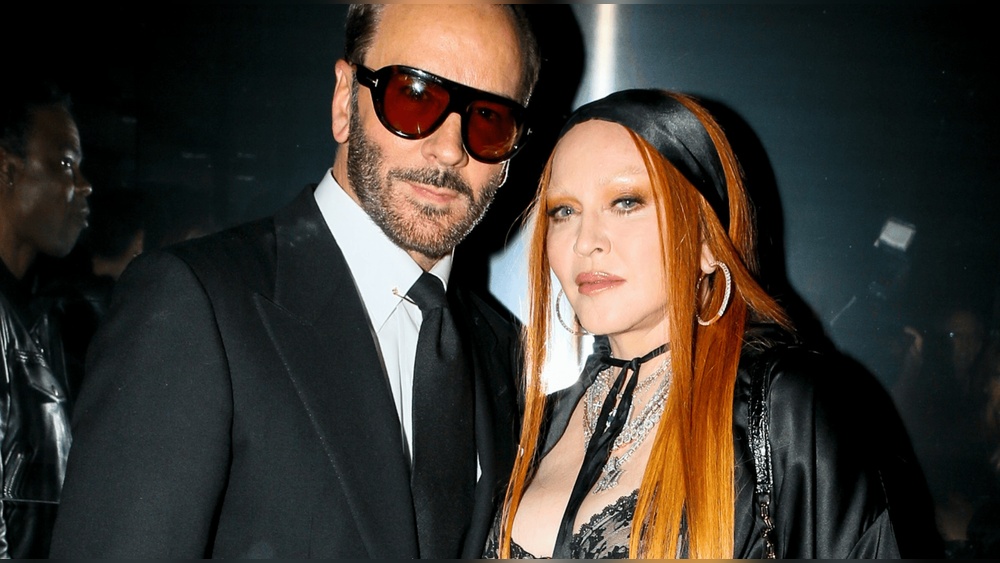
Tom Ford: Iconic Style Secrets Revealed
Last Updated on September 19, 2026
Tom Ford is a name synonymous with luxury, glamour, and modern sensuality. He is an American fashion designer and filmmaker who rose to international fame in the 1990s. Ford revitalized the iconic fashion house Gucci, transforming it from a struggling brand into a global powerhouse. He later launched his own eponymous brand, TOM FORD, which quickly became a symbol of sophisticated and aspirational style.
Ford’s influence extends beyond fashion. His work is characterized by a keen eye for detail, a deep understanding of the female form, and a bold, confident aesthetic. He is known for his impeccable tailoring, luxurious fabrics, and a signature blend of classic elegance with a contemporary edge.
This article explores the journey and impact of Tom Ford, from his early career to the establishment of his own successful brand.
The Rise Of Tom Ford
Tom Ford was born in Austin, Texas, in 1961. After studying art history at New York University, he switched his focus to fashion design at Parsons School of Design. His early career included stints at various fashion houses, but it was his appointment as Creative Director at Gucci in 1994 that propelled him into the global spotlight.
The fashion industry was in a different place in the early 90s. Gucci, once a symbol of status, had lost its way. Ford, with his visionary approach, brought back the brand’s allure. He introduced a collection that was sexy, sleek, and undeniably modern. His designs featured luxurious materials like silk and leather, bold colors, and a powerful silhouette that celebrated the female body.
Gucci’s Transformation Under Ford
Ford’s impact on Gucci was nothing short of miraculous. He didn’t just design clothes; he created a total brand experience. This included advertising campaigns that were provocative and artistic, store designs that exuded opulence, and a celebrity endorsement strategy that made Gucci the must-have brand for the era’s biggest stars.
Under his direction, Gucci’s sales soared. From a struggling company, it became one of the most profitable and influential fashion brands in the world. Ford’s ability to blend commercial success with artistic vision set a new standard for creative leadership in the fashion industry. He understood how to create desire and how to translate that desire into significant financial returns.
The Tom Ford Brand
After leaving Gucci in 2004, Tom Ford announced the launch of his own eponymous brand, TOM FORD, in 2005. This new venture allowed him to fully realize his personal aesthetic and vision without the constraints of a heritage brand. The TOM FORD brand quickly established itself as a purveyor of ultimate luxury and refined sensuality.
The brand encompasses a wide range of products, including ready-to-wear clothing, accessories, eyewear, fragrances, and cosmetics. Each product reflects Ford’s signature style: sharp tailoring, exquisite craftsmanship, and an undeniable sense of glamour. His designs are often described as timeless yet contemporary, appealing to a discerning clientele who appreciate quality and sophisticated design.
Key Elements Of The Tom Ford Aesthetic
The TOM FORD aesthetic is characterized by several defining elements. Impeccable tailoring is paramount, with suits and dresses cut to perfection, highlighting the wearer’s silhouette. Luxurious materials such as fine wool, silk, and supple leather are used extensively, providing a tactile richness to his creations.
Bold yet sophisticated color palettes are another hallmark. While often associated with black and deep jewel tones, Ford also employs vibrant hues and striking prints with confidence. The brand’s signature eyewear, known for its oversized frames and glamorous appeal, has become an iconic accessory. Furthermore, fragrances from TOM FORD are renowned for their complex, alluring scents that evoke a sense of sensuality and mystery.
Here’s a look at some popular TOM FORD product categories and their general price points. These are approximate and can vary significantly based on the specific item and collection.
| Product Category | Approximate Price Range (USD) | Key Features |
|---|---|---|
| Ready-to-Wear (Dresses, Suits) | $2,000 – $20,000+ | Luxurious fabrics, expert tailoring, sophisticated silhouettes. |
| Handbags | $1,500 – $10,000+ | Premium leather, iconic hardware, elegant designs. |
| Eyewear | $400 – $1,000+ | Chic designs, high-quality materials, often oversized frames. |
| Fragrances | $150 – $500+ | Complex, sensual scents, distinctive bottle designs. |
| Beauty (Lipstick, Foundation) | $40 – $100+ | High-pigment formulas, luxurious packaging. |
Tom Ford The Filmmaker
Beyond his immense success in fashion, Tom Ford also ventured into filmmaking. In 2009, he wrote, directed, and produced his debut feature film, A Single Man. The film, starring Colin Firth, was critically acclaimed and earned Firth an Academy Award nomination for Best Actor.
Ford’s directorial debut showcased the same visual flair and sophisticated sensibility that defined his fashion work. The film’s cinematography, costume design, and overall aesthetic were praised for their meticulous attention to detail and evocative mood. This foray into filmmaking demonstrated Ford’s multifaceted creative talent and his ability to translate his artistic vision across different mediums.
The Influence Of Film On Ford’s Fashion
Ford has often spoken about the interplay between film and fashion in his career. The storytelling, character development, and visual language of cinema have profoundly influenced his design process. He sees fashion as a form of storytelling, where clothing can express personality, mood, and aspiration.
His fashion shows are often described as theatrical experiences, meticulously staged to evoke a specific atmosphere. The narrative and emotional impact of a film can inspire the mood and direction of a fashion collection. This holistic approach, where fashion and film inform each other, is a key reason for Ford’s enduring appeal and success.
Enduring Legacy And Impact
Tom Ford’s career is a testament to the power of vision, creativity, and business acumen. He has not only shaped the luxury fashion landscape but has also influenced broader cultural trends. His ability to blend sensuality with sophistication, and to create brands that are both commercially successful and artistically relevant, is remarkable.
He redefined what it means to be a creative director in the modern era, proving that artistic integrity and financial success can go hand in hand. His influence can be seen in the work of many contemporary designers and brands that strive for a similar balance of luxury, desirability, and a strong brand identity.
One of the most insightful aspects of Ford’s success is his understanding of aspirational marketing. He doesn’t just sell products; he sells a lifestyle and an ideal. His campaigns consistently evoke a sense of desire and exclusivity, making his brand a coveted status symbol. This strategic approach to branding has been crucial in building the TOM FORD empire.
The brand’s commitment to quality and craftsmanship is another non-negotiable element. In a world often focused on fast fashion, TOM FORD remains dedicated to producing items that are built to last and designed to be cherished. This commitment resonates with consumers who are increasingly seeking value and longevity in their purchases.
Tom Ford’s journey from Texas to the pinnacle of global fashion and film is an inspiring narrative of talent and perseverance. His distinct aesthetic continues to captivate and influence, solidifying his position as one of the most significant cultural figures of our time.
Key Milestones In Tom Ford’s Career
- 1990: Joins Gucci as Women’s Ready-to-Wear Designer.
- 1994: Appointed Creative Director of Gucci.
- 2004: Leaves Gucci.
*