
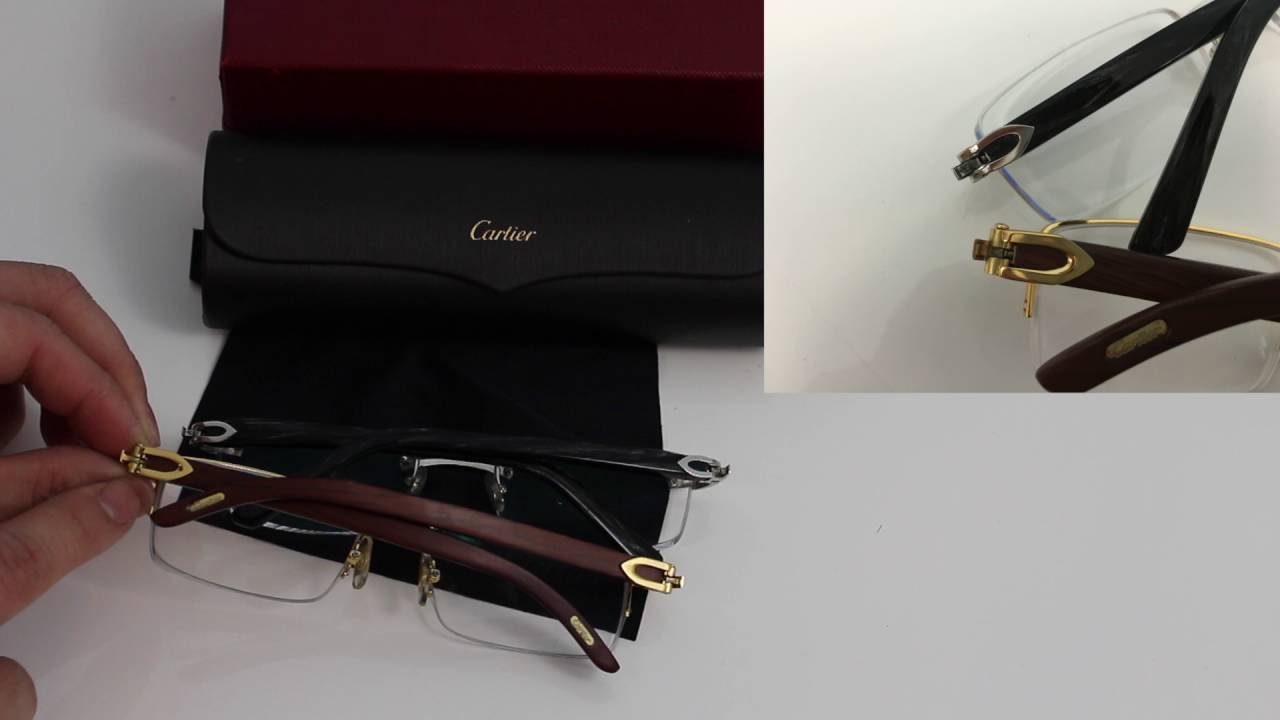
How Do You Know If Cartier Glasses Are Real: Expert Checklist
Last Updated on October 22, 2026
You identify authentic frames by checking the serial number, the quality of the engraving, and the weight of the materials. How Do You Know If Cartier Glasses Are Real is a question answered by verifying these specific details against the manufacturer’s standards. A quick inspection of the bridge markings confirms your item’s status.
Check your Cartier glasses for authenticity
You can verify your glasses by comparing common physical signs against known standards for luxury eyewear. If you see signs of poor craftsmanship, don’t assume they’re authentic. Always check the bridge for the “Cartier” logo and the specific serial number formatting before you make any final judgment.
| What you notice | What it usually means | What to do first |
|---|---|---|
| Blurred logo engraving | Likely a fake | Check lens clarity |
| Plastic-feeling temple tips | Cheap material used | Weigh the frame |
| Missing serial number | Counterfeit product | Check the bridge |
| Screws are loose | Poor assembly quality | Check hinge tension |
| Different bridge markings | Non-original production | Compare to website |
| Faded color finish | Low-grade coating | Inspect the hinges |
The serial number location
The serial number is the most reliable way to confirm the identity of your eyewear. Authentic pairs always feature a unique, laser-engraved serial number located on the inner temple or the bridge. You should look for a string of five to seven characters that are deeply etched rather than printed with ink. If you see ink, the glasses are almost certainly replicas. You can verify the existence of this number by entering it into the official Cartier product registration portal to see if the system recognizes the specific sequence. If the number is missing or looks like it was scratched on by hand, it’s likely a fake. A successful check confirms the frame is registered in their database.
Quality of the materials
Authentic frames use high-grade materials like precious metals, acetate, or titanium, which feel substantial in your hand. If the frames feel light, flimsy, or like cheap plastic, they’re likely unauthorized copies. You should also check the hinges for smoothness; Cartier uses high-precision mechanical hinges that don’t stick or grind when you open the arms. If you feel resistance or hear a metallic squeak, the manufacturing standards don’t match the brand’s luxury requirements. This check is simple: hold the frames by the bridge and open both arms fully. If they don’t swing with a fluid, silent motion, you’re likely holding a low-quality imitation that will fail quickly.
Precision of the engravings
The logo and country of origin markings must be sharp, clear, and perfectly centered on the frame. People often make the mistake of assuming a logo is real just because it’s present, but fake manufacturers often use inconsistent fonts or misaligned letters. Use a magnifying glass to check the “C” in Cartier; it should be perfectly round and the lettering should be deep enough to feel with your fingernail. If the letters look blurry, uneven, or appear to be stamped on top of the finish, the product is counterfeit. This detail is difficult for counterfeiters to replicate perfectly. If the engraving looks slightly off-center or the font weight varies between letters, the item isn’t authentic.
When to seek professional help
If you remain unsure after your own inspection, visit an authorized boutique. Professional staff have the tools and training to spot minute differences in metal density and hinge construction that are invisible to the naked eye.
- The serial number doesn’t appear in the manufacturer’s database.
- The frame finish is bubbling or flaking after minimal use.
- The hinges feel unstable or show signs of cheap metal alloys.
- You purchased the item from an unverified secondary market seller.
If you suspect your purchase is a counterfeit, stop using the product and contact your local consumer protection authority for guidance on returns or reporting the seller.
Frequently asked questions
Can I check my serial number online?
Yes, you can verify your serial number by visiting the official manufacturer’s website. If the system doesn’t recognize your specific sequence, the item may not be an authentic product from their official production line.
How much should real frames weigh?
Real frames vary by model, but they typically feel heavy and solid due to the use of high-quality metals or dense acetate. If the glasses feel as light as cheap plastic, they’re likely mass-produced imitations.
Is it safe to wear fake glasses?
No, it isn’t safe because cheap lenses often lack the necessary ultraviolet protection. Always ensure your eyewear meets the required safety standards to prevent potential eye strain or long-term damage from harmful sun exposure.
What happens if the logo is missing?
If the logo is missing, the glasses are almost certainly fake. Authentic luxury eyewear always features branding in specific, standardized locations like the inner temple or the bridge, and these marks are never omitted from genuine production.
Does the packaging confirm authenticity?
No, high-quality packaging is easily copied and doesn’t guarantee the contents are real. Always focus your inspection on the physical markings and the build quality of the frames themselves rather than the box or case.
How do I spot a fake bridge marking?
Look for sharp, deep, and perfectly aligned text on the bridge. If the characters are faded, unevenly spaced, or look like they were applied with simple ink, the marking is likely a poor imitation of the original.
Cartier Glasses, in short
Proper identification of your eyewear relies on checking the physical build and the unique serial number. If you find discrepancies in the weight, the engraving, or the hinge quality, you have likely found an imitation. Always prefer professional verification if you have any doubts about the item’s origin.