
How Can You Tell If Cartier Glasses Are Real: Expert Checks
Last Updated on October 21, 2026
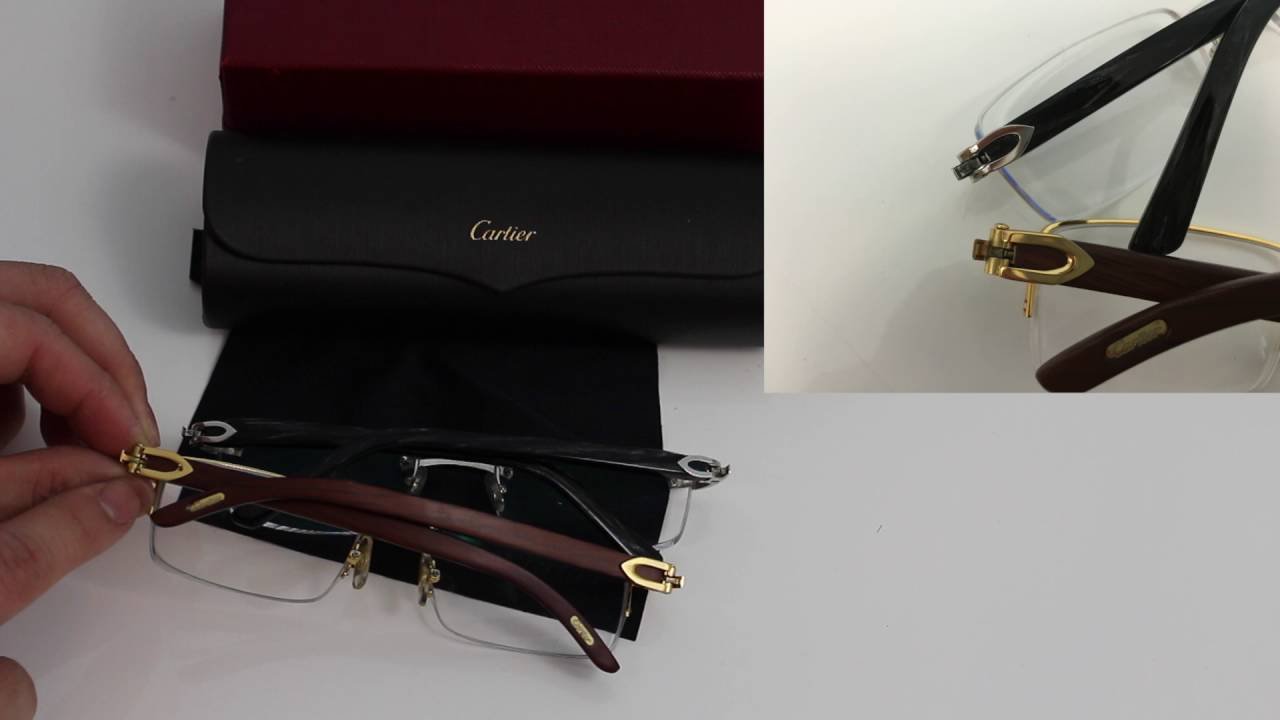
How Can You Tell If Cartier Glasses Are Real? You can verify them by inspecting the serial number, material quality, and frame markings. Authentic pairs feel sturdy without peeling or fading, and the temple arm should feature a unique, laser-etched serial number.
Tell if your Cartier glasses are real
You can spot a counterfeit pair by looking for inconsistencies in the finish or the weight of the metal. If the glasses feel lightweight or the hinges stick, they’re likely low-quality replicas.
| What you notice | What it usually means | What to do first |
|---|---|---|
| Missing serial number | Likely a fake | Check the inner temple |
| Paint peeling off | Poor manufacturing | Check for metal base |
| Loose, wobbly hinges | Low-grade hardware | Tighten the tiny screws |
| Blurred brand logo | Poor printing quality | Compare with official site |
| Plastic-feeling metal | Cheap base material | Test weight in hand |
| Non-matching box | Packaging is fake | Check for authenticity card |
Checking the unique serial number
The most reliable sign of a genuine pair is the serial number etched onto the temple arm. Every authentic frame features a unique sequence that corresponds to the specific model and production batch. To confirm this, locate the number on the inner right arm; it should be crisp, uniform in depth, and perfectly aligned with the frame’s edge. If the number is missing, smudged, or looks like it was printed with ink rather than laser-etched, the item is almost certainly counterfeit. You can verify the specific design details of your frame by checking the official Cartier eyewear collection to ensure the serial placement matches their current production standards. If the number exists but doesn’t align with the style, it’s likely a reused serial from a different model.
Inspecting material and finish
Authentic Cartier frames use premium materials like gold, platinum, or high-grade acetate that don’t flake or change color under normal wear. If you notice the finish rubbing off after only a few months of use, you have likely purchased a replica. Real frames are heavy and balanced, whereas fakes often use painted plastic to mimic the look of precious metals. If the frames are made of gold, they will have specific hallmarks indicating the karat value, which you can verify with a magnifying glass. If X is a vintage model, expect slight patina; if Y is a modern model, it should be flawless. Always check the nose pads for the iconic “C” logo, which is usually deeply embossed rather than shallowly stamped.
Evaluating hinge and lens quality
The mechanical parts of high-end eyewear are designed for smooth, silent operation. If the hinges feel gritty when you open the arms or if the screws look stripped, this is a major warning sign. Genuine lenses are usually made from high-quality polycarbonate or mineral glass that provides clear optics without distortion. If you look through the lenses and see wavy lines or blurred edges, they aren’t original. A simple test is to hold the glasses up to a light source; authentic lenses will have a consistent, high-quality anti-reflective coating that doesn’t show streaks or scratches. If the hinges are loose, a professional optician can adjust them, but if they’re physically misaligned, no repair will fix the build quality.
When to seek help
- The hinges are broken or snapped, as these parts often require proprietary replacements.
- The frame material shows signs of significant corrosion, which can irritate your skin.
- You’re unsure about the authenticity of a high-value purchase and need a professional appraisal.
- The lenses don’t fit the frame properly, which can cause eye strain or headaches.
If you’re concerned about your eyes, see a licensed optometrist. They have the tools to measure lens quality and can tell you if the frames are safe for regular use.
Can I check the serial number online?
No, Cartier doesn’t provide a public online database for checking serial numbers. You must take the frames to an authorized boutique or a certified optician to have the serial number verified against their internal records.
Do all real Cartier glasses have serial numbers?
Yes, all modern authentic frames include a unique, laser-etched serial number on the temple. If your pair is a vintage model from several decades ago, it may lack this, but you should verify it with a collector.
Is it safe to buy Cartier glasses from an online marketplace?
It’s risky, as many counterfeit items are sold on secondary markets. Only buy from authorized retailers or reputable sellers who provide an original proof of purchase and a certificate of authenticity for the specific item.
How much do original Cartier frames weigh?
Original frames vary by model, but they typically feel substantial and balanced due to the use of metal and premium acetate. If a frame feels like cheap, lightweight plastic, it’s likely a fake regardless of the branding.
What should I do if my frames are slightly loose?
A professional optician can adjust the tension of the hinges for a small fee. Don’t try to force the metal arms yourself, as you might bend the frame or crack the finish, which can’t be repaired.
Does the box guarantee the glasses are real?
No, packaging can be easily copied by counterfeiters. A box is only a good sign if the serial number on the authenticity card matches the number etched directly onto the temple arm of the glasses.
Why do my glasses have a “C” on the nose pads?
The “C” logo is a standard design feature on most authentic frames. If the logo is missing, misaligned, or looks like a sticker, it’s a strong indicator that the glasses aren’t genuine products from the brand.
Cartier Glasses, in short
If you’re still feeling uncertain about your pair, don’t hesitate to visit a certified boutique for a professional appraisal. They’ll be able to verify the craftsmanship and give you peace of mind. It’s worth the extra effort to ensure you’ve got the genuine luxury experience you’ve been looking for.
Related guides