
How To Know If Coach Purse Is Authentic: A Simple Guide
Last Updated on October 23, 2026
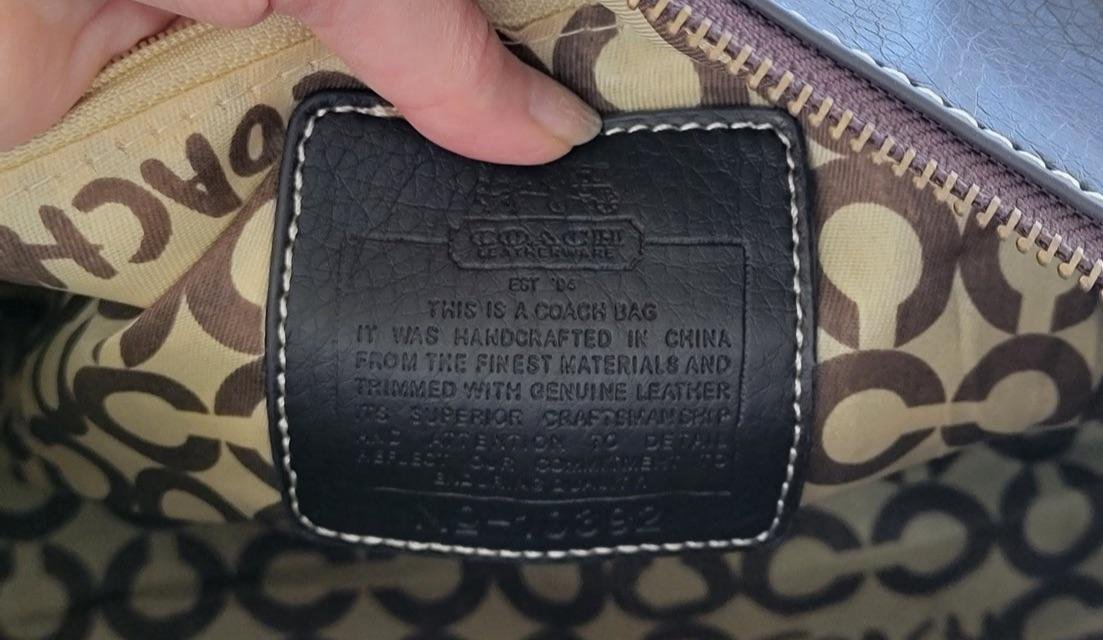
Checking the serial number and craftsmanship details is how to know if Coach purse is authentic. You can safely continue using your bag while you look for these signs. Start by finding the creed patch inside the purse, which contains the unique style number, to confirm it matches the manufacturer’s records.
Signs of a Genuine Bag
You can spot a fake by looking for common manufacturing inconsistencies that don’t appear on high-quality luxury items. If you find one of these issues, inspect the bag more closely.
| What you notice | What it usually means | What to do first |
|---|---|---|
| Uneven stitching | Poor quality control | Check all seams |
| Plastic hardware | Fake materials used | Test weight/feel |
| Misspelled words | Clear counterfeit | Check creed patch |
| Thin, papery lining | Lower quality build | Feel fabric texture |
| Missing creed patch | Likely reproduction | Search for stamp |
| Blurred logos | Low-end printing | Compare to website |
| Glued edges | Poor assembly | Check for fraying |
The Creed Patch Details
The serial number on the creed patch is the most reliable way to verify your item. Every authentic Coach bag produced since the mid-1990s features a leather patch sewn inside, which includes a specific alphanumeric code. You can verify the format of these codes on the Coach official help page. If the code is missing or if the font looks smeared, the bag is likely a replica. If you have an older bag from before this era, it may not have a serial number, but the quality of the leather and hardware will remain high. Test this by checking if the leather feels supple rather than stiff or plasticky.
Hardware and Material Quality
Authentic bags use solid brass or high-quality nickel-plated metal that feels heavy in your hand. Counterfeiters often use lightweight plastic painted to look like metal, which will show wear or chipping within a few months of use. If you see the paint flaking off to reveal a different color underneath, the hardware isn’t genuine. Additionally, look at the YKK or Ideal zippers, as these are the standard brands used by the company. If the zipper teeth don’t glide smoothly or if the pull tab feels hollow, the bag is likely not authentic. If the hardware is heavy and the zipper moves without catching, the bag is much more likely to be an authentic piece.
Stitching and Construction Standards
Consistent, tight stitching is a hallmark of a well-made purse, whereas fakes often show loose threads or uneven gaps. If the thread color doesn’t perfectly match the leather or if the spacing between stitches varies, the construction is suspect.
You should also check the leather edges, which are usually finished with a smooth paint or folded over cleanly. If you see raw, unfinished edges or thick, messy glue residue, you’re likely looking at a counterfeit.
A common mistake is ignoring the stitch count per inch. Genuine luxury goods maintain a strict, uniform density across every seam. If you count fewer than ten stitches per inch, the structural integrity is compromised.
Use this decision rule: if the stitching line wavers near a corner or pocket, reject the item immediately. Authentic pieces utilize specialized machines that lock the tension, ensuring the thread never pulls loose even under heavy daily use. If the stitching is perfectly straight and the edges are smooth, your bag meets professional standards.
When to stop and get help
- The leather smells like strong chemicals, which often indicates toxic dyes used in illegal manufacturing.
- The bag has a serial number that doesn’t match any known style, suggesting a “franken-bag” made from parts of different items.
- You find a “Made in China” tag that’s poorly attached or uses an incorrect font, as this requires expert verification.
- The price was significantly below market value, as this is a high-risk indicator of fraud.
If you’re still unsure, take the bag to a professional luxury consignment shop for an expert opinion.
Is it safe to buy a bag without a serial number?
No, it’s generally not recommended unless the bag is a vintage model from the early 1990s or before. Most modern authentic bags require this code for verification.
Can I trust a bag if the logo looks slightly off?
No, you should be very cautious, as authentic branding is always crisp and centered. Any blurring or misalignment is a major red flag that the item is a reproduction.
How long should the leather last?
A well-maintained authentic leather bag can last for many years with proper care. If your bag is already falling apart after one year, it’s likely a low-quality imitation.
Does the country of origin matter?
Yes, it matters because while the brand manufactures in many countries, the factory location must be consistent with the style code. Check the tag for specific production details.
What happens if I find a spelling error?
The bag is definitely a counterfeit, as luxury manufacturers have strict quality control processes. No authentic product will ever be sold with a misspelled brand name.
Does the weight of the bag indicate authenticity?
Yes, a heavier bag is usually a sign of quality materials like solid brass hardware and genuine thick leather. Very light bags often use synthetic materials that don’t last.
You now have the tools to verify your item by checking the serial number and craftsmanship. If the details don’t match these professional standards, you’re likely holding a counterfeit. Always verify the code against official resources to be sure.
Related guides