
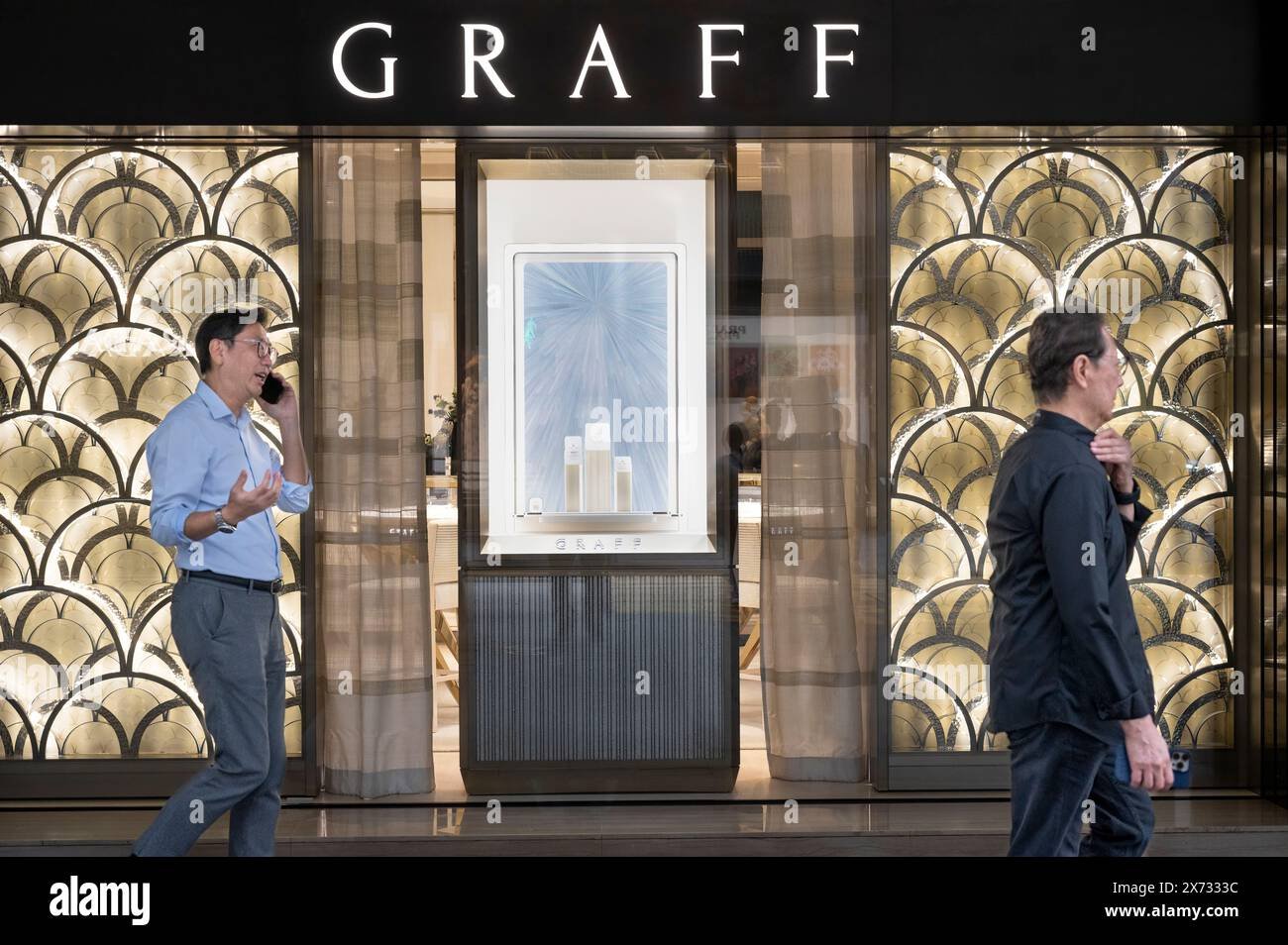
Graff: Luxury Jewelry Brand from the United Kingdom
Last Updated on September 19, 2026
Graff is a luxury jewelry brand from the United Kingdom that operates at the apex of high jewelry, founded in London in 1960 by Laurence Graff. The house cuts and polishes rare, large gemstones within its own workshops. This guide covers how the house sources stones, how its design process works, what its hallmark certifications mean, and how collectors properly care for these pieces.
The Graff luxury jewelry brand legacy
Graff is an independent London luxury house that designs, cuts, and retails ultra-high-end jewelry and fine watches. Graff focuses on diamonds with top color, high clarity, and rare carat weights.
Sourcing and Crafting Rare Gems
Transforming rough diamonds into finished high jewelry requires strict steps:
- Procuring the rough crystal: The house secures stones from select mines, often weighing hundreds of carats in the rough.
- Scanning the interior: Technicians use 3D laser mapping to plot internal inclusions over several weeks.
- Planning the cleave: Master cutters study the crystal structure, deciding whether to make one primary stone or several satellite gems.
- Laser cutting and bruting: Machinery shapes the rough outline, removing non-gem material with micro-precision.
- Facet polishing: Polishers use cast-iron wheels coated with diamond dust, polishing 57 or 58 facets on a classic round brilliant stone.
- Mounting the setting: London goldsmiths construct platinum or 18k gold mountings customized to the stone’s exact dimensions.
- Hallmarking and lab submission: Goldsmiths submit finished metals to the Assay Office, while loose diamonds go to a recognized gem lab.
Cutting rough stones requires balancing carat weight against clarity.
Key numbers and settings at a glance
Selecting and maintaining fine gems depends heavily on the specific stone:
| Situation | What to use | How long | What to watch for |
|---|---|---|---|
| Diamond ring cleaning | Warm water, mild dish soap, soft brush | 3 to 5 minutes soak | Loose prongs around the center stone |
| Emerald ring maintenance | Dry microfiber cloth only | 30 to 60 seconds wipe | Surface-reaching oil fractures or cloudiness |
| Sapphire or ruby wash | Mild sudsy water, lint-free cloth | 2 to 3 minutes soak | Dirt accumulation behind the pavilion |
| Ultrasonic cleaning | Pure water with jewelry fluid | 1 to 2 minutes maximum | Loose accent pavé stones falling out |
| Home vault storage | Fabric-lined individual slots | Indefinitely | Metal-on-metal scratching between pieces |
Crafting Details That Define Quality
Craftsmanship depends on stone orientation and metal choice. Setters use microscopes to place claws precisely along the stone’s girdle. Platinum provides strength for large stones, while 18k white gold offers reflection. Settings hide excess metal to maximize light reflection.
Never expose heat-sensitive gems like emeralds to ultrasonic cleaners. This removes natural oils used to improve clarity. Check prong tension by tapping the gem under a loupe before cleaning.
Common problems and quick fixes
Routine wear can loosen precious settings or dull brilliant stones over time:
| What you notice | What it usually means | What to do first |
|---|---|---|
| Stone rattles when tapped | Prongs have shifted or worn down | Stop wearing it and visit an authorized bench jeweler |
| Diamond looks cloudy or oily | Skin lotion and dust have built up underneath | Soak in warm sudsy water and brush gently |
| Metal band shows fine hairline marks | Normal surface contact on high-purity gold | Polish lightly with an untreated micro-weave cloth |
| Claws snag on knit clothing | A single prong has bent outward | Put the piece away to avoid pulling the stone out |
Industry Standards and Sourcing Rules
British high jewelry must comply with strict sourcing and assaying laws. In the UK, gold and platinum items must pass testing and receive physical hallmarks from an authorized body, such as the London Assay Office, which verifies metal purity standards.
Conflict-free sourcing follows the Kimberley Process to keep conflict diamonds out of the market.
Caring for Fine Pieces
Keep fine jewelry in individual velvet pouches or separate jewelry box compartments.
Check prongs and mountings for movement at least once a year, or whenever you bump the ring against a hard surface. Daily wear eventually requires professional claw re-tipping, depending on the specific mount.
When to use a different approach
Graff’s rare diamond creations aren’t meant for daily manual labor, gym sessions, or casual everyday wear. Active users who want a worry-free daily ring should choose lower-profile bezel settings or durable bands instead.
If you have a modest fine-jewelry budget, standard retail jewelers offer commercial diamond grades that cost much less per carat. Buyers wanting colored fashion jewelry without high insurance requirements should pick semi-precious stones like quartz or topaz rather than investment-grade colored diamonds.
Frequently asked questions
Can you buy Graff jewelry online directly?
Yes, you can purchase select everyday collections and bridal bands on their official website. However, high jewelry masterworks and rare colored diamonds require private showroom appointments in London, New York, Geneva, or other flagship salons.
Why are Graff diamonds so expensive?
They focus on rare Type IIa diamonds, top color grades, and internal clarity. The company buys massive rough stones, absorbing the financial risk of cutting them, and produces bespoke settings in London workshops.
How long does a bespoke jewelry order take?
Between four and twelve weeks for most custom pieces. The timeline depends on how fast the gemologists source the requested center stone and the complexity of hand-forging the metal mounting.
Is it safe to wear Graff rings in swimming pools?
No. Pool water contains chlorine, which weakens gold alloys and damages the solder points on precious mountings. Chlorine can also alter the surface polish of certain colored accent gems.
What happens if a diamond prong bends?
Stop wearing the jewelry immediately and store it inside a sealed pouch. A bent claw lets the center diamond shift or fall out completely, which risks irreversible stone loss.
Can Graff diamonds be tracked to their origin mine?
Yes, most newly cut stones carry laser inscriptions that pair with independent certificates. Graff tracks large rough crystals from partner mines through its internal cutting, polishing, and mounting departments.
Final Thoughts
Owning a piece from this house is a lifelong commitment to beauty. Whether you’re searching for an heirloom or a signature accessory, you’ll find that these stones don’t just sparkle; they tell a story. Visit a local boutique soon to see how their craftsmanship feels in person—you won’t be disappointed.