
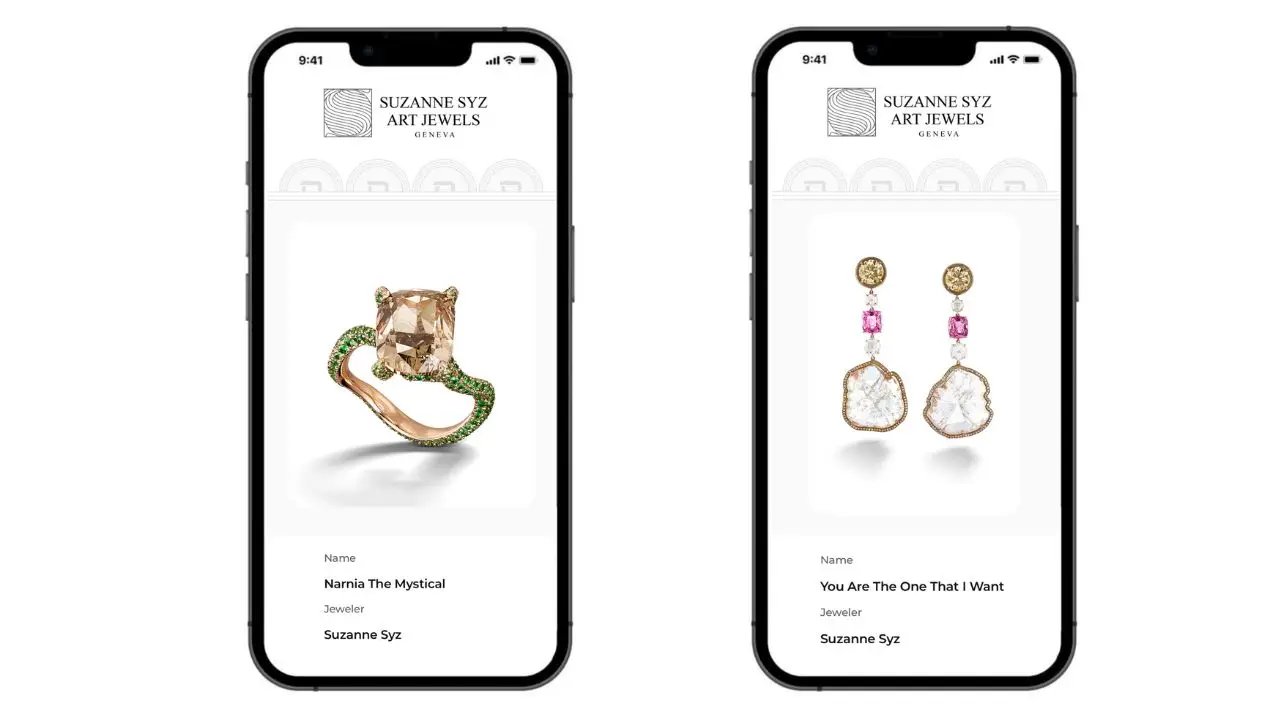
Suzanne Syz: Luxury Jewelry Brand from Switzerland
Last Updated on September 19, 2026
Suzanne Syz: Luxury Jewelry Brand from Switzerland produces one-of-a-kind fine jewelry pieces in Geneva, blending contemporary pop art themes with aerospace metals like titanium and aluminum alongside traditional precious gems. Most designs are unique or limited editions. This guide explains how the house designs its pieces, what materials define its workshop, and how collectors handle and maintain these unconventional luxury items.
Suzanne Syz luxury jewelry artistry
Suzanne Syz founded her eponymous Geneva salon in 2002 after spending decades immersed in the contemporary art scenes of New York and Europe. The brand creates wearable art for collectors who prefer playful narratives over conventional diamond patterns. Her work features everyday motifs—such as candy wrappers, life savers, toy soldiers, and garden vegetables—crafted with meticulous Swiss workshop standards.
A common misconception is that jewelry featuring light metals like aluminum or whimsical subjects uses fashion-grade methods. Working with titanium and aluminum requires custom tooling that exceeds the demands of traditional 18-karat gold. Titanium requires specialized micro-welding or cold-join rivets rather than ordinary jeweler torches.
The basic method
Acquiring a piece from the salon follows a multi-stage process:
- Request an appointment through the Geneva showroom or view seasonal private exhibition invitations.
- Review available one-of-a-kind inventory or discuss rare central stone acquisitions with the gemologist.
- Select the primary mount material, choosing between colored anodized titanium, ceramic-coated alloys, or traditional gold.
- Approve the gouache rendering, which details the exact stone placement, metal color tints, and closure mechanisms.
- Complete fitting adjustments in Geneva to calibrate ear clip tension, ring shanks, or necklace balances.
Clip-tension calibration separates a fine collection piece from an unwearable curio. Artisans must balance mechanical spring tension against the earlobe because titanium doesn’t bend.
Key numbers and settings at a glance
Custom art jewelry pieces require distinct handling based on metal composition and finishing treatments.
| Situation | What to use | How long | What to watch for |
|---|---|---|---|
| Surface oil removal | Lukewarm water, mild dish soap, soft goat-hair brush | 2 minutes soaking maximum | Loosened pavé stones along curved edges |
| Daily storage | Individual velvet-lined jeweler pouches | Indefinitely between wears | Metal surfaces rubbing against harder gems |
| Ear clip adjustment | Professional jeweler tension gauge | 1 salon visit | Over-tightening that causes hinge metal fatigue |
| Ring size alteration | Sizing beads or inner sleeves | 2 to 4 weeks workshop turnaround | Stress fractures across anodized titanium bands |
What separates good results from bad ones
Material Selection and Color Control
Artisans treat colored titanium through electro-chemical anodization rather than paint. This bath alters the metal’s oxide layer to produce vivid colors.
Assembly Sequence and Stone Setting
Setters place micro-pavé gems into titanium after the coloring stages. Setting stones into hard metals requires cutting seats with tungsten carbide burrs.
Common problems and quick fixes
Unconventional jewelry alloys present specific maintenance challenges that differ from standard gold rings.
| What you notice | What it usually means | What to do first |
|---|---|---|
| Dull color on titanium | Skin oil buildup altering light refraction | Wipe gently with an untreated microfiber cloth |
| Micro-pavé stone missing | Impact shock broke a tiny bead seat | Collect any pieces and store the item in a sealed pouch |
| Surface scuff on aluminum | Mechanical abrasion wore the protective layer | Request workshop re-anodization during regular servicing |
Hallmarking and precious metal rules
Switzerland maintains strict oversight of precious metals through the Swiss Federal Central Office. Every piece leaving an authorized Geneva workshop must carry a registered maker’s mark and the official Swiss St. Bernard dog head hallmark for gold or platinum components.
[Maker’s Responsibility Mark] + [Purity Mark (e.g., 750)] + [Official Swiss Assay Office Mark]
Hybrid jewelry must be hallmarked only on the precious components.
Preserving collector pieces
Store fine art jewelry away from standard commercial boxes.
Don’t clean these creations in home ultrasonic cleaners or steam machines. Wipe surfaces down with a lint-free, damp microfiber cloth after each wear to lift acidic skin secretions before storing the metal.
When to use a different approach
This type of high jewelry isn’t for daily utility wear or traditional corporate settings. If you want an everyday wedding band that resists all abrasions, pick standard platinum or unplated gold; titanium jewelry can’t be resized easily on a jeweler’s mandrel if your ring size changes later in life.
Frequently asked questions
Can you resize a titanium ring?
No, most jeweled titanium rings can’t be resized using traditional stretching or soldering methods. If a ring feels loose, an artisan can add internal gold sizing beads or an inner sleeve; if it’s too small, the piece generally requires an entirely new custom shank built from scratch.
Why does titanium jewelry change color over time?
Skin oils temporarily alter how light reflects through the clear oxide layer on the metal’s surface. This effect isn’t permanent damage; wiping the metal clean with warm water and mild liquid soap restores the original electric hue immediately.
How long does a custom Swiss commission take?
A custom commission typically takes between three to six months to complete. This production timeline depends on how long the workshop takes to source specific matching colored gemstones and execute the intricate multi-stage metal anodization.
Is it safe to clean art jewelry with steam?
Use only lukewarm tap water, a soft cloth, and gentle mechanical wiping to clean delicate mounts safely.
What happens if an anodized surface gets scratched?
Deep abrasions expose the raw grey metal underneath the colored oxide layer. Fixing this flaw requires complete disassembly of any set gems before an authorized workshop can re-polish and re-anodize the base structure.
Final Thoughts
Owning these vibrant creations is truly about embracing a bold, personal style that defies tradition. If you’re ready to add a splash of color to your collection, visit a boutique to see how the light dances off the titanium. You’ll quickly find that these pieces don’t just sit in a box—they’re meant to be worn.