
How Much Bac Water For 10mg Retatrutide: Reconstitution Guide
Last Updated on October 4, 2026
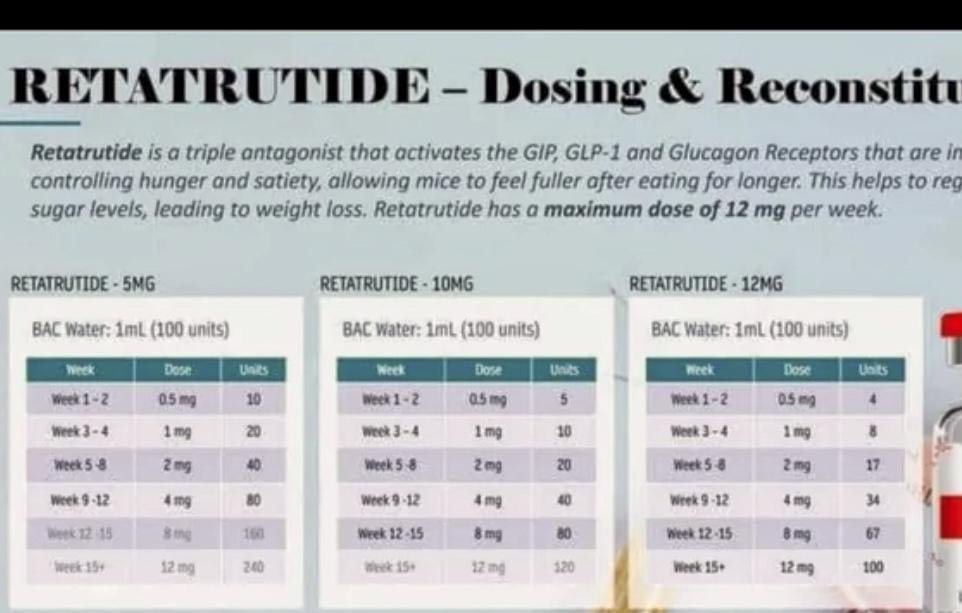
To reconstitute a 10mg vial of Retatrutide, you generally use 1ml of bacteriostatic water to achieve a concentration of 1mg per 0.1ml, though you should verify the specific dosage requirements prescribed by your physician, as the math for how much bacteriostatic water to use for a 10mg Retatrutide vial depends entirely on your target dose.
The success of your preparation depends on using sterile equipment to avoid contamination, as any bacteria introduced during the process can lead to serious infections. The most common mistake people make is using non-sterile tap or distilled water instead of bacteriostatic water, which contains a preservative to prevent bacterial growth. Always check the label on your specific vial, as different manufacturers may have different solubility requirements or storage instructions.
Calculating water for your retatrutide dose
- Clean your workspace with 70% isopropyl alcohol and wash your hands thoroughly before handling any supplies.
- Wipe the rubber stopper of the 10mg Retatrutide vial and the top of the bacteriostatic water ampoule with a fresh alcohol swab.
- Draw exactly 1ml of bacteriostatic water into a sterile syringe, ensuring no air bubbles are trapped in the barrel.
- Insert the needle into the vial at a 45-degree angle to avoid damaging the rubber stopper, then slowly inject the water down the side of the glass.
- Swirl the vial gently until the powder is fully dissolved, but never shake it, as physical agitation can damage the peptide structure.
- Store the reconstituted solution in a refrigerator between 36°F and 46°F, following the manufacturer’s specific storage instructions to maintain stability.
Tip: If you see any cloudiness or particles after swirling, don’t use the solution, as this indicates the product is compromised.
Tip: Always use a new, sterile syringe for every step to maintain a clean environment.
Reconstitution Timing and Ratios
The time taken to dissolve the powder varies based on the temperature of the water and the specific formulation of the peptide. This table assumes you’re using 1ml of solvent to reach a concentration of 10mg per ml.
| Situation | How long | What changes it | What to watch for |
|---|---|---|---|
| Room temperature | 5–10 minutes | Powder density | Clear, liquid state |
| Cold water | 15–20 minutes | Thermal conductivity | Remaining sediment |
| High concentration | 10–15 minutes | Solute volume | Full integration |
If the powder doesn’t dissolve after 20 minutes, don’t heat the vial, as high temperatures will destroy the active ingredients.
Verifying Completion
You’ll know the solution is ready when the liquid is completely clear and no visible powder or sediment remains at the bottom of the vial. A simple visual check against a bright light source usually confirms this; if you see streaks or swirling clouds, continue to rotate the vial slowly. If the solution remains cloudy after 30 minutes, it may be a sign of degradation or an incorrect solvent. Never attempt to use a solution that doesn’t return to a clear, transparent state, as this indicates the compound is no longer viable for use.
Errors That Compromise Quality
- Using non-sterile water: Using water without the bacteriostatic preservative allows bacteria to multiply rapidly in the vial. Always use specifically labeled bacteriostatic water to keep the solution safe for the duration of its use.
- Shaking the vial: Shaking should be avoided to prevent potential denaturation of the peptide. Gently swirl the vial instead to ensure the powder dissolves without damaging the chemical structure.
- Contaminating the stopper: Touching the rubber stopper with your fingers introduces skin oils and bacteria into the sterile environment. Always wipe the stopper with a fresh alcohol swab before every single entry.
- Inaccurate measurements: Using the wrong volume of water makes it impossible to calculate your dose correctly, leading to potential under-dosing or over-dosing. Always double-check your markings on the syringe before injecting the liquid into the vial.
Can I use sterile water instead of bacteriostatic water?
No, you shouldn’t use plain sterile water because it lacks the benzyl alcohol preservative necessary to prevent bacterial growth. Once you mix the powder with sterile water, you must use it immediately or the solution will become a breeding ground for harmful microorganisms within a few hours.
How long does reconstituted Retatrutide stay good?
Most reconstituted peptides remain stable for up to 30 days when stored properly in a refrigerator at 36°F to 46°F. Always check the manufacturer’s specific packaging or insert, as some formulations have shorter stability windows that require disposal after two weeks of cold storage.
What happens if I add too much water?
If you add too much water, your concentration will be lower than intended, meaning you’ll need a larger volume of liquid to achieve your target dose. You can’t remove the excess water, so you must adjust your math based on the total volume you added to the vial.
Is it safe to freeze the solution?
No, you shouldn’t freeze the solution, as the freezing and thawing process can denature the peptides and render them ineffective. Keep the vial in the main body of the refrigerator, away from the freezer compartment and the door, where temperatures fluctuate the most.
Why is my vial cloudy after mixing?
Cloudiness usually indicates that the powder hasn’t fully dissolved or that the peptide has degraded due to improper storage or heat exposure. If the cloudiness doesn’t disappear after gentle swirling, don’t use the vial, as the chemical integrity of the substance is likely compromised.
How do I know if the dose is correct?
You can confirm your dose by dividing the total milligrams in the vial by the total milliliters of bacteriostatic water you added. For a 10mg vial with 1ml of water, every 0.1ml of liquid contains 1mg of the medication, which makes your calculation straightforward and easy to track.
Proper storage is the most important factor in ensuring your medication remains effective throughout its lifespan. Always keep your vials upright in a dedicated container to prevent the liquid from contacting the rubber stopper, and ensure your refrigerator maintains a consistent temperature to avoid any risk of degradation.
Related guides